

As wellness tourism shifts towards longevity, preventive health and emotional wellbeing, hotels, clinics and destinations are emerging as key players in a fast-growing global economy built around restorative wellness journeys and transformative health resets
Wellness is no longer a quiet corner of luxury hospitality. It has become one of the world’s largest and most rapidly expanding economic forces, influencing travel, medicine, beauty, food, fitness, technology, residential development and the way people design their daily lives.
The Global Wellness Institute valued the wider wellness economy at a record US$6.8 trillion in 2024, reflecting 7.9 per cent growth in a single year. The industry has doubled in size since 2013 and is projected to reach approximately US$9.8 trillion by 2029, expanding at an annual rate of 7.6 per cent.
By then, wellness could account for 7.1 per cent of global GDP. Global wellness spending already exceeds the value of several mega-industries and represents around 60 per cent of total public and private health expenditure worldwide.
Different research organisations define the market in different ways. McKinsey’s narrower, consumer-focused assessment places annual global wellness spending at around US$2 trillion. Yet the direction remains consistent: consumers are allocating more attention and money to health, sleep, nutrition, fitness, mindfulness, appearance and healthy ageing.
Ageing populations, chronic disease, workplace exhaustion, heightened health awareness, and demand for prevention are making wellness one of the world’s most sought-after areas for investment, innovation, and travel.
Prevention Replaces Occasional Pampering
Consumers increasingly expect wellness to help them remain healthy, functional and independent for longer.
Katherine Johnston, Senior Research Fellow at the Global Wellness Institute, sees a lasting change in consumer thinking. Prevention, mental health, social connection, nature and the effect of living environments have all become more important. This is supporting growth across wellness real estate, mental wellness, traditional medicine, personalised health and wellness tourism.
The shift is visible in the questions travellers now ask. Can a programme improve sleep? Will it support mobility, reduce stress or rebuild strength? Can it help identify a health risk before symptoms become serious? Will its benefits continue after the holiday ends?
The future of wellness will therefore be judged less by the length of a treatment menu and more by the relevance, credibility and continuity of the experience.
Global Specialists Redefine Wellness
International wellness specialists increasingly see the industry as a meeting point between established lifestyle practices and advanced medicine.
Susie Ellis, Chair and CEO of the Global Wellness Summit and Global Wellness Institute, believes Asia is central to this future. The region can combine preventive traditions, spirituality, nature and social connection with diagnostics, medical expertise and emerging technology.
Anna Bjurstam, Wellness Pioneer at Six Senses Hotels Resorts Spas, argues that wellness and longevity must converge for either concept to remain meaningful. Longevity without everyday wellbeing risks becoming excessively medicalised, while wellness without measurable health value may struggle to establish lasting credibility.

Dr Michael Roizen, the Cleveland Clinic’s first Chief Wellness Officer, continues to emphasise evidence-based lifestyle change as a foundation for redefining age. Movement, food, sleep, stress management and social connection may appear less dramatic than experimental therapies, but they remain among the most established influences on long-term health.
The World Health Organisation takes a similarly practical view. It defines healthy ageing through functional ability: the capacity to move, think, make decisions, maintain relationships and participate in society with independence and dignity.
The goal is therefore no longer simply to add years to life. It is to protect the number of years lived with physical ability, cognitive strength, emotional stability and purpose.
Health Span Becomes the New Measure of Success
Longevity was once understood primarily as lifespan. The more useful measure now is health span: the period of life spent in good health without serious disease or disabling limitations.
The distinction is becoming urgent. Life expectancy has increased, but many additional years are being lived with chronic illness. This gap is turning longevity into an economic, medical and social priority.
Governments must consider care and retirement systems, employers must accommodate longer working lives, and individuals are being encouraged to build physical and financial resilience much earlier.
For the wellness industry, the health span movement is driving demand for preventive diagnostics, muscle and mobility programmes, metabolic and brain health, sleep improvement, and personalised interventions.
Muscle Powers Longevity infrastructure
One of the most grounded developments within longevity is a renewed focus on muscle.
Strength is no longer presented solely as a fitness or appearance goal. Lean muscle mass, balance, mobility and cardiovascular capacity are increasingly recognised as foundations of independence and resilience in later life.
The Global Wellness Institute’s 2026 ageing trends place physical activity, nutrition and sleep at the centre of healthy ageing, with mobility and muscle identified as critical determinants of health span.
This is changing the way fitness programmes are designed. Functional measures such as rising from the floor, carrying weight, climbing stairs and maintaining balance are gaining importance alongside conventional gym metrics.
Women Finally Enter the Longevity Conversation
Much of the early commercial longevity movement was designed around male biology, male founders and male performance goals. That imbalance is beginning to change.
The Global Wellness Summit identifies women’s health span as one of the defining wellness trends of 2026. The emerging approach moves beyond treating individual menopause symptoms and examines the influence of ovarian ageing, hormonal transitions, bone health, muscle function, cardiovascular risk, cognition, and metabolic changes across a woman’s life.
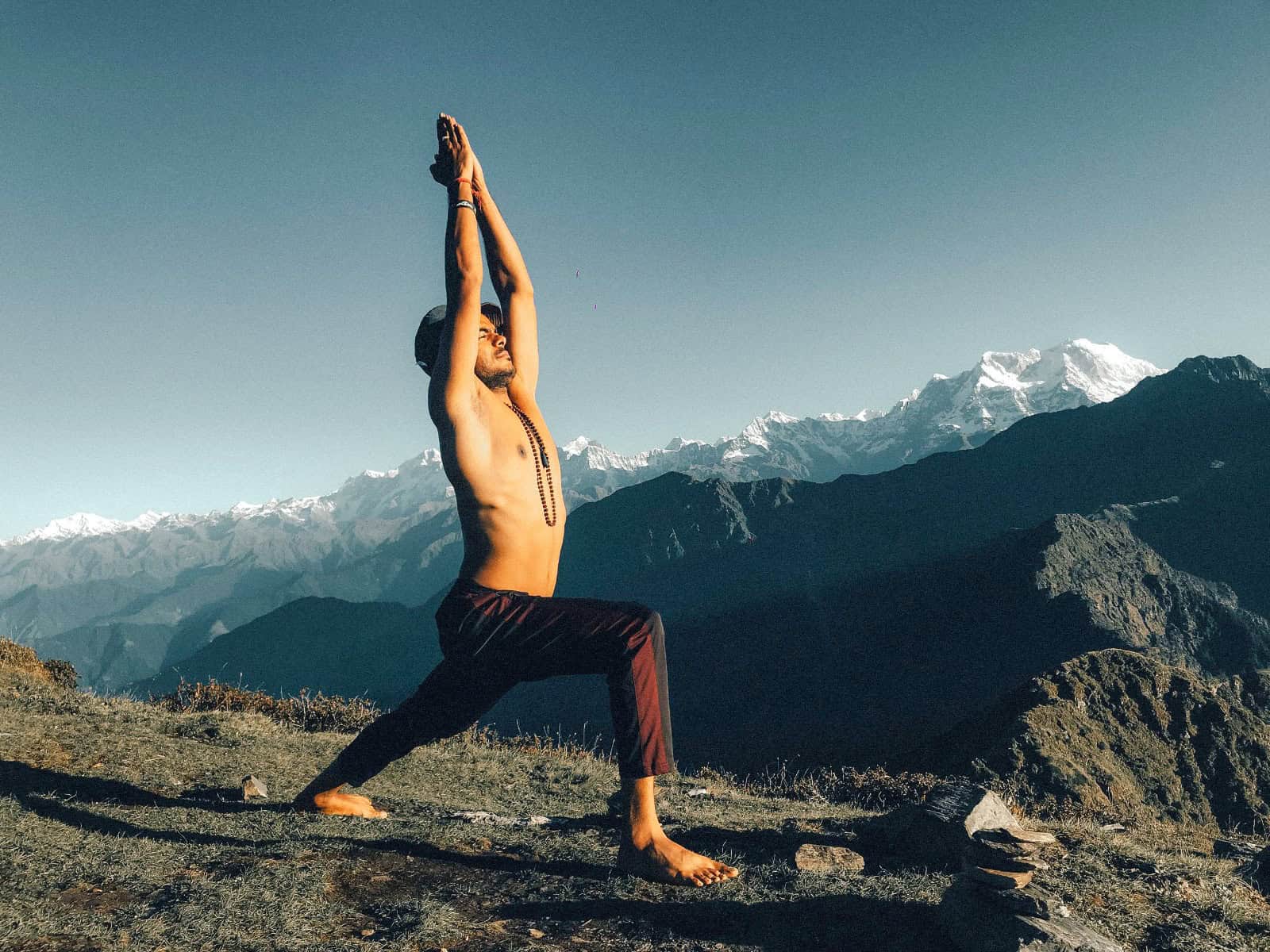
Image Courtesy: Abhishek Gaur, Pexels
This is likely to drive new diagnostics, research, specialist clinics, telehealth services and retreat programmes. Strength training is being reframed as essential for women’s mobility and bone health, while hormone care is shifting towards a more detailed conversation about individual risk, timing and medical supervision.
Six Senses Vana in Dehradun, part of IHG Hotels & Resorts’ Six Senses portfolio, includes a Mindful Menopause programme as part of its wider personalised retreat model. The retreat combines wellness screening and consultations with guided nutrition, Ayurveda, yoga, Tibetan Medicine, natural healing and daily treatments.
Swastik Wellbeing Sanctuary, a comprehensive wellness entity, offers women’s health and fertility care in a 51-acre healing destination in Peacock Valley, Khadakwasla, Pune, which opened in November 2024 in the Sahyadri foothills.
The retreat is built around five Vihars covering cave-style villas, Ayurveda and naturopathy, meditation, sound healing, yoga, reflexology, nature walks and community spaces. Set amid 15,000 native trees, it offers 16 personalised wellness and healing programmes, including Panchakarma, stress balance, digital detox, weight, gut, sleep, cardiac, and pain. Partnerships with wellness institutions and clinical outcome tracking add depth to its approach.
Age, sex, medical history, culture, lifestyle and personal circumstances all influence what wellbeing means for an individual.
The Nervous System Takes Centre Stage
Burnout, anxiety, poor sleep and constant digital stimulation have made nervous-system regulation one of the fastest-growing areas of modern wellness.
The Global Wellness Summit’s 2026 forecast describes ‘neurowellness’ as a movement spanning clinical devices, sleep technology, breathwork, touch therapies, yoga, neurofeedback and environments designed to reduce sensory strain. The most interesting shift is the recognition that the body cannot recover properly when it remains in a persistent state of alert.
This is influencing hotel design and retreat programming. Lighting, acoustics, temperature, scent, room controls and the pace of an itinerary are increasingly considered part of the wellness experience.
Duncan So, Founder of Burnout Recovery Accelerator, has highlighted that burnout can manifest as compulsive scheduling, guilt about rest, and an inability to tolerate stillness. A packed wellness itinerary can recreate the pressures guests are trying to escape.
The new luxury may therefore include permission to do less.
The Backlash Against Over-Optimisation
The rapid growth of wearables, glucose monitors, biological age tests, and sleep scores has made health more measurable than at any previous point. It has also made wellness psychologically demanding.
Consumers are questioning a culture in which every meal, heartbeat, night of sleep and physical response becomes another score to improve.
Pleasure, emotion and sensory experience are consequently returning to the centre of wellness. Social bathing, dance, music, creativity, nature and shared meals are being recognised as important forms of restoration.
ELE|NA, led globally by Heidi Grimwood, Senior Vice President of ELE|NA, has used movement, meditation, sound and social connection to make wellness feel more inclusive. Ridhira Retreat in Gandipet, founded by Ritesh Mastipuram, Founder of Ridhira Group, has similarly brought yoga, sound healing, music and nutrition into a shared retreat environment.
These initiatives illustrate a significant correction. Wellness can be purposeful without becoming joyless.
Longevity Moves Into the Home
Wellness is moving beyond clinics, hotels and retreats into residential design.
Wellness real estate was the fastest-growing part of the global wellness economy between 2019 and 2024, recording average annual growth of 19.5 per cent. Longevity residences are now emerging as a category that incorporates preventive care, air and water quality, movement, nature, community spaces, diagnostics, and ambient health technology.
This changes the role of architecture. Homes and communities can support or undermine health through walkability, light, noise, materials, ventilation, access to greenery and opportunities for social contact.
The trend is particularly relevant to hospitality and branded residences.
Asia Becomes the World’s Wellness Laboratory
Asia’s wellness economy reached approximately US$2 trillion in 2024 and recorded annual growth of 9.3 per cent, placing it among the world’s fastest-expanding regional markets.
Asia brings together ancient systems of prevention and a rapidly developing medical and technological sector. Ayurveda, Traditional Chinese Medicine, meditation, yoga, herbal healing, and nature-based practices now sit alongside advanced diagnostics, regenerative medicine, and digital health. This meeting of foundational wisdom and innovation is central to the future of global wellness.
Ananda in the Himalayas in Uttarakhand, India, offers personalised programmes combining Ayurveda, yoga, meditation, nutrition and traditional Oriental therapies.
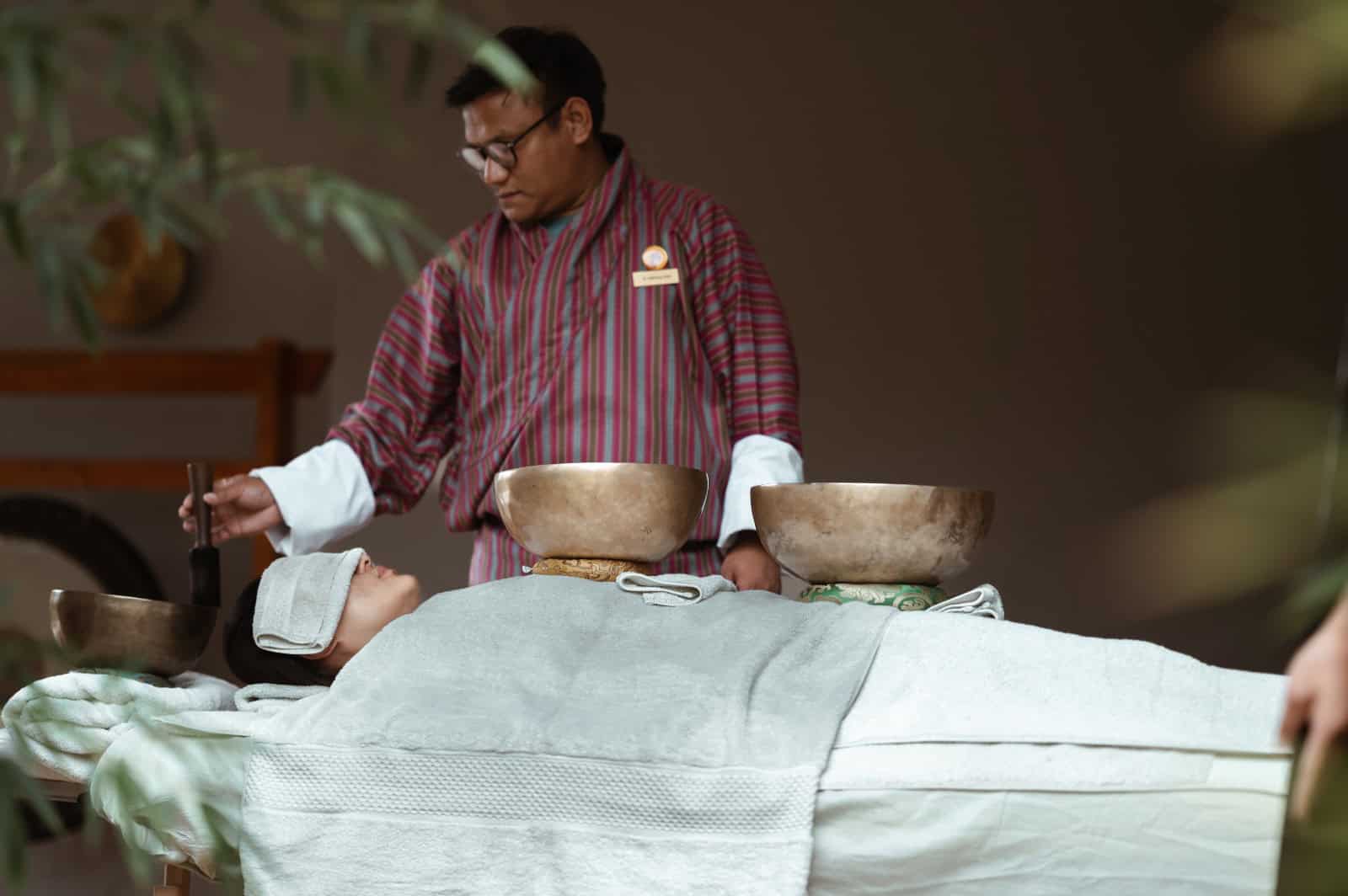
Bhutan Spirit Sanctuary exemplifies this destination-led model by connecting Traditional Bhutanese Medicine with monastic landscapes, meditation, village life, food and cultural activities. Chiva-Som in Thailand combines medical wellness, fitness and holistic care. The Farm at San Benito, Philippines, offers doctor-led programmes and plant-based cuisine. Banyan Tree Spa Lijiang, China, combines Naxi cultural influences with traditional Chinese healing therapies, and COMO Shambhala Estate, Bali, Indonesia, delivers expert-led wellness journeys.
Preferred Wellbeing recognises hotels that have thoughtfully integrated wellbeing into the guest experience through authentic, place-based, and experience-led offerings.
India’s Hotel Groups Turn Wellness Into a Brand System
India’s leading hospitality companies are increasingly treating wellness as a brand platform rather than a department confined to the spa.
Aujasya by The Leela is the group’s signature wellness programme, rooted in the Sanskrit idea of “vigour of life.” Launched in 2022, it brings together food, movement, mindfulness, sound, sleep, spa therapies and cultural experiences across The Leela’s hotels. Its 2026 expansion includes curated meal programmes, wellness retreats and the first Aujasya by The Leela Spa at The Leela Palace Jaipur. Key offerings include millet-forward menus, Vitality Breakfast, Sampoorna meal plans, guided yoga, meditation, wellness workshops, and a 90-minute Signature Ritual.
Taj Hotels (Indian Hotels Company Limited) has expanded J Wellness Circle across India, grounding many experiences in Ayurveda, yoga, meditation, and the five elements within destination-specific treatments. Its current Wellness and Innergise experiences signal a move towards complete restorative journeys. Atmantan offers doctor-guided programmes that blend Ayurveda, naturopathy, functional medicine, and yoga to achieve holistic transformation. Some properties are adopting longer-format care, including Taj Wayanad Resort & Spa and Gateway Bekal.
Sterling Holiday Resorts integrates wellness through its Subuthi Spa network and Sterling Palm Bliss, its dedicated wellness resort in Rishikesh. Subuthi, available at about 20 resorts, offers Ayurvedic therapies such as Abhyanga, Shirodhara, Pizhichil and Njavarakizhi. Sterling Palm Bliss Rishikesh adds yoga, panchakarma, Jyotish, sattvic vegetarian cuisine, detox programmes and curated wellness meals.
Hilton Hotels’ wellness footprint in India is shaped by refined urban retreats where spa care, movement, recovery and quiet luxury are woven into the stay. Conrad Bengaluru offers Conrad Spa with treatment rooms, sauna, steam and ice fountain facilities, while Conrad Pune combines spa therapies, a salon, outdoor pool and fitness centre for a fuller restorative pause. Hilton Bengaluru Embassy Manyata Business Park adds Tattva Wellness, with massage therapies and calming treatment spaces.
Marriott International has created one of the clearest lifestyle systems in which food, sleep, movement, work, and play are organised as connected pillars. In India, this is supported by properties such as JW Marriott Sahar Mumbai, Westin, and resort properties in Sohna, Jaipur, and the Himalayan foothills, among others.
IHG Hotels & Resorts offers a wide range of wellness programs, including dedicated fitness-focused hotels, luxury spas, and in-room yoga amenities across its properties in India. The brand’s Indian wellness expression is reflected in the Six Senses Vana and Six Senses Barwara retreats, which operate as a complete wellness environment in which assessment, food, traditional medicine, daily practice, accommodation, and sustainability form a single system.
Radisson Hotel Group’s Indian properties demonstrate a more locally adapted model. R The Spa at Radisson Blu Plaza Delhi Airport now adds Ayurveda to its expansive 20,000-square-foot wellness offering. Ayur at Radisson Blu Hotel & Suites GRT Chennai offers personalised Ayurvedic journeys informed by the balance of doshas and koshas, while other Indian Radisson properties offer yoga spaces, traditional massage and restorative spa care.
ITC Hotels has extended wellness beyond its Kaya Kalp spas through indoor air quality measures and its research-led Sleep programme. Kaya Kalp – The Spa itself combines Ayurveda, yoga and therapies at properties including ITC Mughal, ITC Grand Bharat and ITC Grand Goa, among others.
Accor combines several interpretations across its Indian brands. Raffles Udaipur places nature-inspired rituals and emotional well-being within a private island setting on Udai Sagar Lake. Sofitel Mumbai BKC provides an urban spa model, while Novotel Goa Resort & Spa combines a nature-led resort environment with a Turkish hammam.
The move to wellness as integral to living is well put by Ranjit Batra, CEO, Ventive Hospitality, with several hotels in Pune and the Maldives, “The global wellness economy has reached 6.8 trillion dollars, four times the size of the pharma industry, and it is heading towards 10 trillion dollars by 2029. Prevention, longevity and everyday health have now moved into the mainstream. In hospitality, wellness is now moving towards several clear directions.
Sleep is better treated and is now fully a science. Food is becoming increasingly connected to nutrition and metabolic health. Recovery is coming from performance sports. Longevity is becoming more personalised and measurable. At Ventive Hospitality, we no longer see wellness as an amenity. We see it as the next measure of hotel relevance, because the future of luxury is not just where you stay, but how you feel when you leave.”
The common direction is significant. Wellness is no longer reserved for destination retreats. It is entering urban business hotels, luxury palaces, family resorts and branded residential thinking.
A Better State of Being Becomes the New Luxury
The global medical tourism and wellness tourism industry is moving in several directions at once. One direction is scientific and highly personalised, built around diagnostics, longevity clinics, preventive medicine and experimental geroscience. Another is cultural and place-led, drawing upon traditional healing, food, spirituality and nature. A third responds to nervous-system exhaustion through quiet, sleep, touch, joy and emotional repair. These approaches need not compete.

Image courtesy: Glen Jackson, Unsplash
As the global wellness economy approaches US$10 trillion, its influence will reshape homes, cities, workplaces, travel, healthcare and everyday living. Health is no longer simply a measure of well-being; it is becoming the ultimate expression of luxury. The central promise is no longer simply escape or indulgence. It is a longer life lived with greater health, meaning, connection and freedom.
Read More: Lifestyle, Weddings, and Wellness