

Across India, ancient pilgrim routes are welcoming a generation of new spiritual travellers seeking faith, stillness and connection, supported by hospitality that is making sacred travel more comfortable, inclusive and deeply experiential
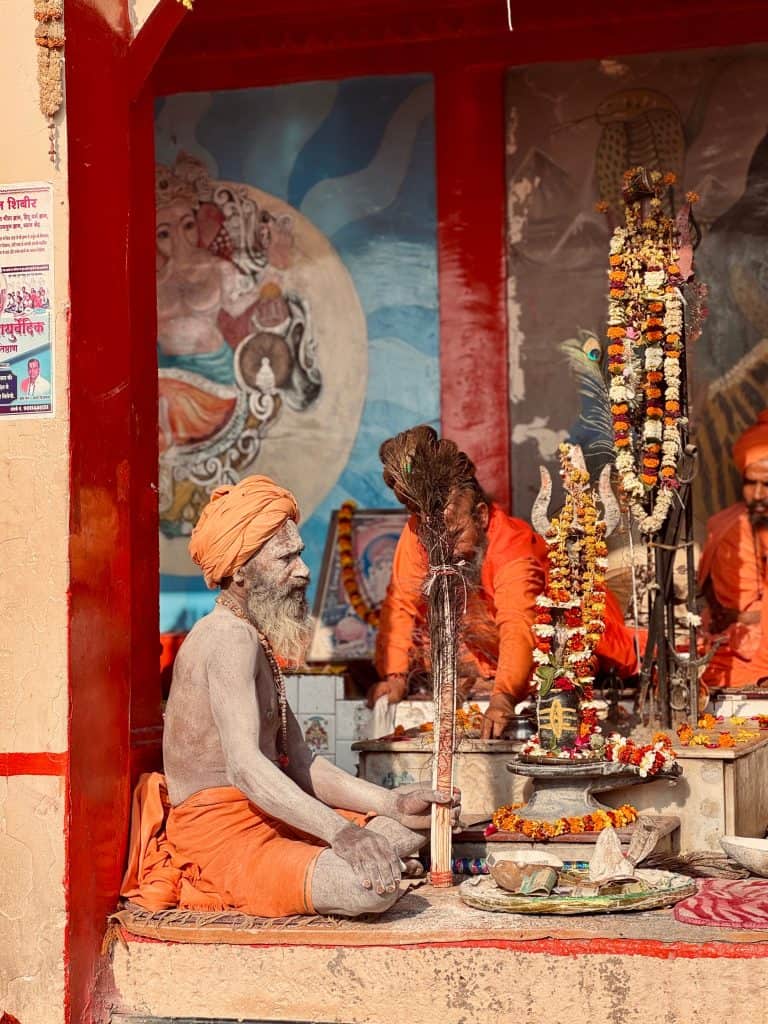
Before sunrise, a temple town is already awake. Bells sound through narrow lanes. Flower sellers arrange marigolds into bright circles. The first lamps are lit beside the river, while pilgrims move quietly towards shrines that have received visitors for centuries.
The sacred destination remains at the heart of the journey, yet the experience surrounding it is changing. Travellers may arrive for darshan, prayer or pilgrimage, but many now stay for the stories, food, architecture, music, wellness traditions and moments of silence that give a place its deeper rhythm.
A journey to a temple town may include an early morning ritual, a guided heritage walk and a meal prepared according to local customs. A monastery visit may become part of a longer Himalayan retreat shaped by meditation and time in nature. A sacred river may draw one traveller through faith and another through a desire for reflection, history or emotional renewal.
Spiritual tourism is gradually becoming less about reaching a single shrine and more about understanding the landscape of belief around it.
The Journey Within the Journey
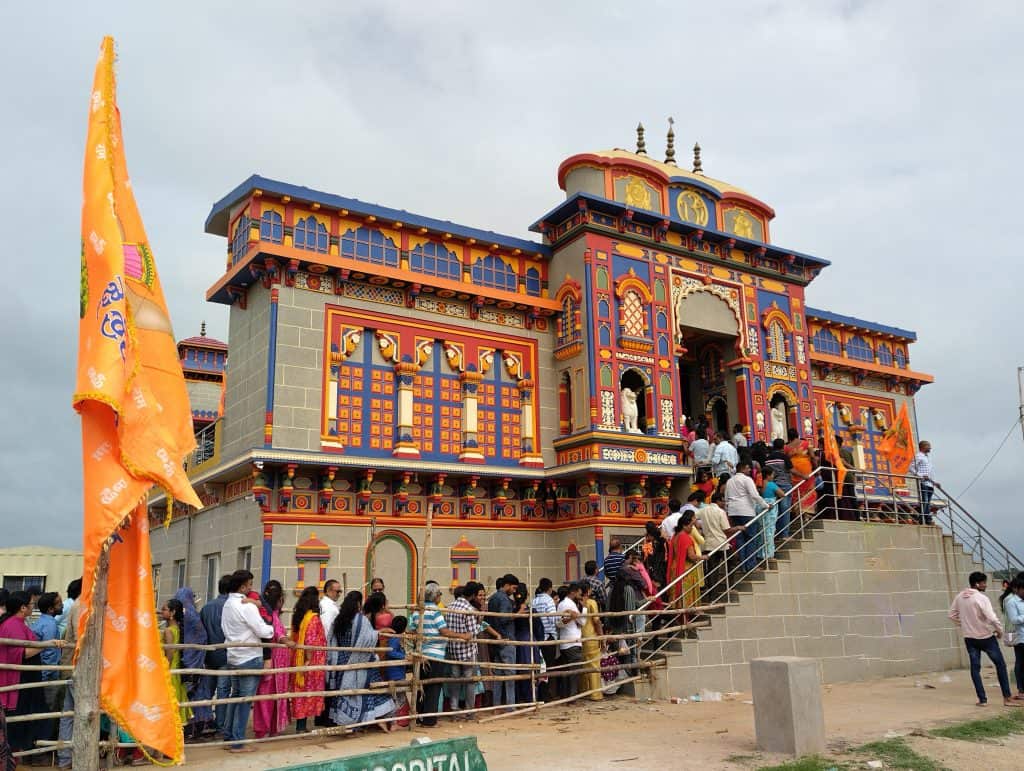
India’s spiritual geography is vast and layered. Sacred rivers move through ancient cities. Mountain paths lead towards shrines surrounded by snow and silence. Temple towns carry the memory of dynasties, poets, saints, musicians and generations of pilgrims. Mosques, monasteries, churches, gurudwaras and sacred groves hold their own traditions of hospitality, ritual and contemplation.
Every destination offers a different emotional vocabulary.
Varanasi carries the intensity of life and death along the Ganga. Amritsar offers the quiet dignity of collective prayer and service. Bodh Gaya draws visitors into meditation beneath the memory of enlightenment. Rishikesh brings together river rituals, yoga and Himalayan stillness. Puri is shaped by devotion, temple cuisine, and the great Rath Yatra. Rameswaram carries the spiritual pull of the southern coast, where sacred waters, temple rituals, and the memory of Lord Rama meet the sea. In the mountains, monasteries and remote shrines ask travellers to slow their pace and surrender to the landscape.
The modern spiritual traveller is increasingly interested in these layers. The shrine remains essential, but so does the context. People want to understand the meaning of a ritual, the history of a neighbourhood, the ingredients in a sacred meal, and the hands behind a temple craft.
This curiosity is encouraging slower journeys. Instead of arriving, praying, and leaving, travellers are spending more time within sacred destinations. They are walking through old quarters, meeting local artisans, listening to devotional music, and experiencing traditions that exist beyond the central place of worship.
The journey becomes richer when the destination is allowed to speak.
The New Pilgrim
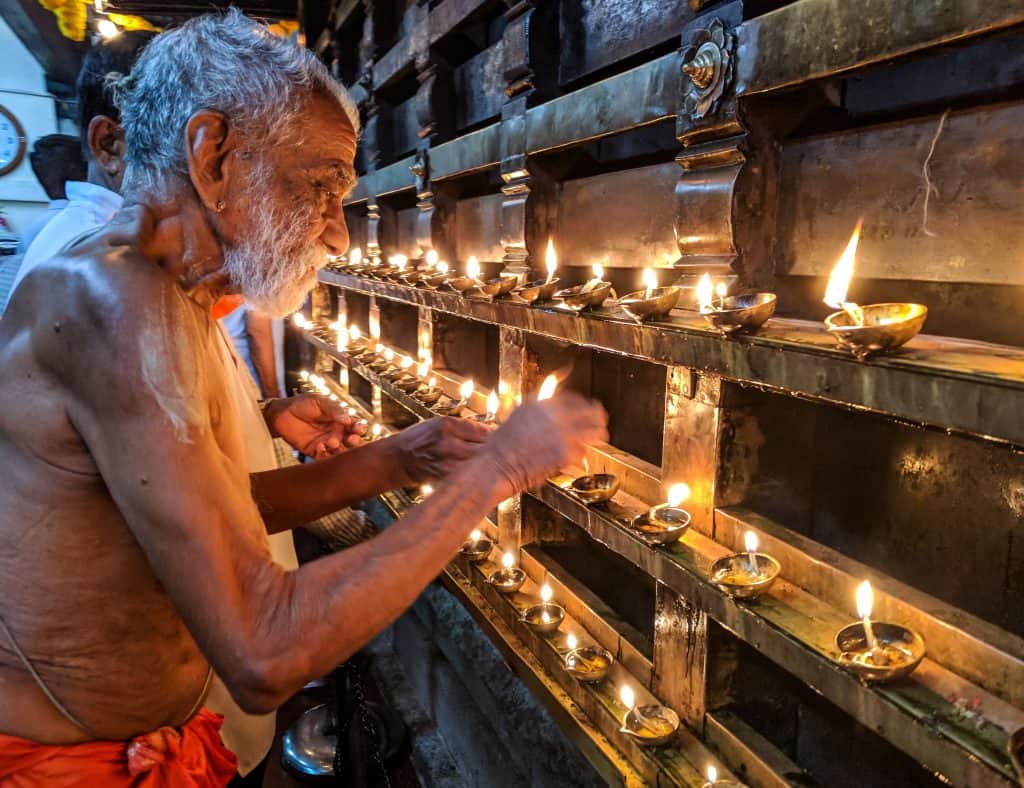
The profile of the spiritual traveller is broadening. Young Indians, including Gen Z travellers, are showing an interest in the sacred. Some travel through personal faith. Others seek silence, cultural discovery, mental space or a stronger connection with family history.
Their spiritual language may include meditation, music, wellness, nature and storytelling alongside formal religious practice. For a generation surrounded by speed, digital noise and endless visibility, the appeal of a sacred journey can lie in its ability to create distance. Spiritual travel offers permission to pause.
Yet these journeys are rarely entirely individual. Family continues to shape the way young Indians travel. Parents and grandparents often become part of the itinerary, turning spiritual travel into a multigenerational experience.
Faith, Stillness and Escape
Spiritual travel also offers a form of escape, though not always the kind associated with leisure. In sacred spaces, travellers may briefly step outside the pressure to achieve, respond, and perform.
Repetition replaces novelty.
A chant returns to the same line. A lamp is lit in the same way it has been lit for generations. A river continues its movement, indifferent to schedules.
This rhythm can be deeply restorative.
The traveller does not necessarily need to follow every ritual or understand every symbol. Meaning may arrive through atmosphere: bare feet touching cool stone, the smell of incense, the sound of water, the warmth of a community meal or the sudden quiet inside a crowded shrine.
Hospitality Along the Pilgrim Route
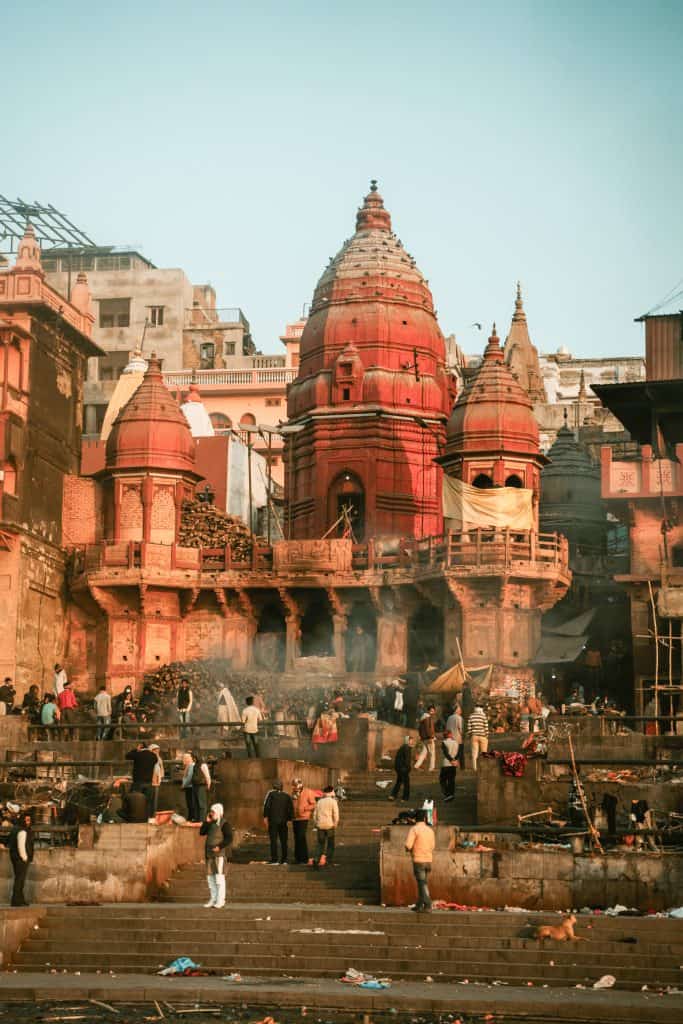
Before dawn reaches the temple towers, the hotel lobby is already awake.
Breakfast boxes are being packed for guests leaving before sunrise. A wheelchair is brought quietly to the entrance. The driver has checked the temple route, the kitchen has prepared a fasting meal, and three generations of one family are gathering near the lifts: grandparents carrying prayer beads, parents carrying medicines and shawls, and younger travellers carrying the itinerary on their phones.
This is the new landscape of spiritual travel in India.
Spiritual travel in India is entering a new chapter. HVS ANAROCK’s July report, The Rise of Faith-led Hospitality in India, points to strong hotel growth across India’s pilgrimage destinations. Religious centres now account for nearly 14 per cent of the country’s branded hotel pipeline, with around 19,760 rooms expected by 2030. The global religious tourism market is projected to reach $671.9 billion by the same year.
Ayodhya leads the development pipeline with nearly 2,100 branded rooms, while Amritsar, Tirupati, Varanasi, Rishikesh, Vrindavan, Ujjain, Haridwar, Pushkar, and Dwarka are also attracting major hospitality investment.
Hotel groups are no longer treating pilgrimage towns as occasional or seasonal markets. Luxury, premium, midscale, and value brands are moving into Ayodhya, Varanasi, Jammu, Amritsar, Vrindavan, Haridwar, Shirdi, Puri, Ujjain, Omkareshwar, Tirupati, Rameswaram, Somnath, Bodh Gaya, and Salasar. Some are creating reliable family hotels with vegetarian kitchens, accessible rooms, and temple transfers. A few are designing entire brands around spiritual hospitality.
Behind the mood lies serious capital. Ayodhya alone had attracted approximately ₹4,000 crore across 126 hospitality projects reported in early 2024. A later study estimated that the city could require between 8,500 and 12,500 branded rooms by 2031. Varanasi, meanwhile, has 27 hotel projects linked with a combined investment of about ₹1,207 crore, including operational and under-construction properties.
Ayodhya Becomes Hospitality’s Sacred Showcase
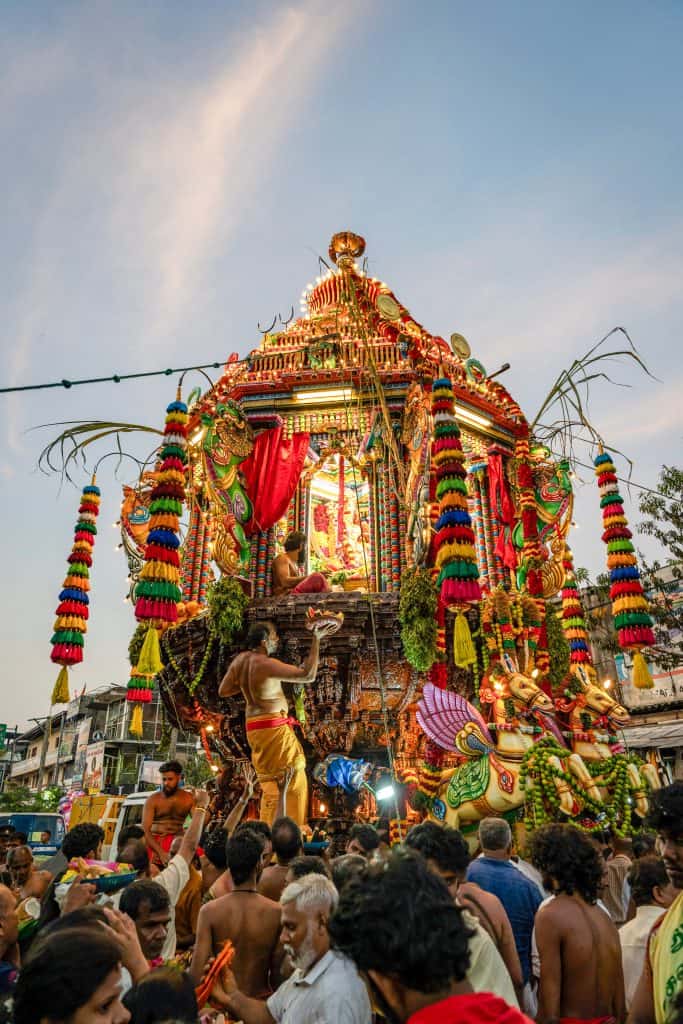
No destination reflects the scale of this shift more clearly than Ayodhya.
IHCL opened the 162-room Ayodhyām, Ayodhya, under its SeleQtions brand in June 2026, marking the arrival of experience-led luxury in the pilgrimage market. The group is also developing a 300-room Taj spread across 7.2 acres, with 29 luxury villas, three restaurants, a J Wellness Circle spa, and more than 34,000 square feet of event space. IHCL has additionally announced Gateway, Vivanta, and Ginger projects in Ayodhya, giving it a presence across luxury, upscale, and lean luxe segments.
The scale says something important. The pilgrimage town is being read as a destination where devotion, celebration, heritage, and leisure may exist within the same journey.
ITC Hotels joined this movement in June 2026 with a management agreement for a 143-room Welcomhotel in Ayodhya. The signing follows Welcomhotel announcements in Bodh Gaya, Shirdi, and Vrindavan, suggesting a deliberate network across India’s major spiritual circuits rather than a single opportunistic entry.
Lemon Tree Hotels is approaching the city at a comparable scale. Lemon Tree Premier, Ayodhya, being developed with RJ Corp, is planned with approximately 300 rooms, along with banquet and conference facilities. The property will sit around 4.5 kilometres from the Shri Ram Janmabhoomi complex, combining pilgrimage access with the familiar amenities of an upscale city hotel.
A separate ₹220 crore Uttar Pradesh development plan announced by Aurika Group includes 150 premium serviced suites in Ayodhya with wellness facilities and curated spiritual experiences.
At the luxury end, the House of Abhinandan Lodha has announced a 100-room hotel in Ayodhya with an expected investment exceeding ₹450 crore and a target opening in March 2028. The wider partnership with The Leela includes management of an associated club, serviced villa and luxury residential experiences. The luxury hotel serves as the anchor for HoABL’s massive 51-acre flagship township, “The Sarayu. In line with the spiritual landscape of Ayodhya, it will function as The Leela’s first-ever pure-vegetarian 5-star hotel.
A Hotel Map Drawn Around Sacred India
The expansion spreads far beyond Ayodhya.
Radisson Hotel Group has been equally direct about its interest in faith-led travel. Its recent spiritual destination portfolio includes the 87-room Temple Tree Hotel Shirdi, a member of Radisson Individuals, offering pure vegetarian dining and complimentary transfers to the Sai Baba Temple. It has also introduced Park Inn & Suites by Radisson in Puri, Radisson RED in Indore, and a 150-room Radisson Hotel in Ujjain. A separate three-hotel agreement covering Deoghar, Puri, and Ranchi is expected to add about 400 rooms across eastern India.
GRT Hotels & Resorts has built its pilgrimage presence more closely around the temple towns and sacred circuits of South India. Its dedicated Divine Darshan programme connects properties in Tuticorin, Kanchipuram, Madurai, Tirunelveli, and Tiruttani, positioning the hotels as practical bases for temple journeys rather than conventional city stays. The opening of Regency Palani in February 2026 strengthened this strategy further. Located at the foothills of the Palani Hills, the 31-room hotel marked GRT’s presence across the six shrines of the Arupadai Veedu circuit dedicated to Lord Murugan.
Lemon Tree Hotels has assembled one of the most extensive pipelines of spiritual destinations. Alongside its Ayodhya project, the company has announced hotels in Vrindavan, Shirdi, Somnath, Gaya, Omkareshwar and Chitrakoot. It launched Lemon Tree Premier, Tirupati, in October 2025, later signed a Lemon Tree Suites property in the city, and secured a 28-year license for an Aurika heritage hotel in Varanasi.
Accor’s upcoming spiritual portfolio includes the 200-room Pullman Amritsar, a 350-room Novotel and ibis Styles complex in Tirupati, and the luxury Sofitel Rishikesh Narendra Nagar.
IHG has entered Ayodhya with the 125-room Holiday Inn Express and already operates Holiday Inn and voco properties in Amritsar, along with a Holiday Inn in Katra near Vaishno Devi.
Clarks Varanasi brings a more established hospitality presence to the spiritual travel landscape. The flagship property of the Clarks Group has operated for more than half a century, offering 104 rooms across 3.5 acres of landscaped grounds. The 104-room hotel offers pilgrims a quieter base within convenient reach of the Shri Kashi Vishwanath Temple, Dashashwamedh Ghat and Varanasi’s sacred riverfront. Its position reflects another important strand of pilgrimage hospitality: established city hotels adapting their services and location advantages to accommodate families, international visitors, group travellers and devotees exploring Varanasi’s temples, ghats and rituals.
The sacred city of Puri is seeing a surge in interest from brands like Accor and the Radisson Group.
IHCL’s Taj Puri Resort & Spa shows how established hospitality brands are combining pilgrimage with leisure, culture and high-end resort experiences. Opened in December 2024, the 90-room beachfront property marks the arrival of a luxury resort format within one of India’s four Char Dham destinations, allowing guests to combine visits to the Lord Jagannath Temple with the coast, wellness, and longer family stays. IHCL has described Puri as part of an emerging east-coast spiritual circuit connecting Chennai, Tirupati, Bhubaneswar, and Puri.
In Rameswaram, Grand Continent Hotels has opened a contemporary four-star, fully vegetarian property with 48 rooms. The company is also developing hotels in Somnath, Varanasi, and Ayodhya.
These projects have the widest effect. They bring branded standards across luxury to mid-category accommodation segments.
The Biggest Bet Yet
The financial scale of the movement became clearer in June 2026, when Omaxe announced a dedicated hospitality vertical with a planned investment of approximately ₹6,200 crore over four to five years. The proposed portfolio includes two hotels, each in Ayodhya and Vrindavan, along with properties in Prayagraj, Ujjain, and Amritsar, among other urban and transit markets.
This is perhaps the clearest sign that pilgrimage destinations have entered the mainstream development map.
India’s pilgrim routes are changing, but their deepest purpose remains intact. They lead towards temples, rivers, monasteries and shrines. They also lead inward, towards memory, family, and questions that cannot be answered quickly.
And perhaps that is why, even in an age of faster journeys and greater comfort, the spiritual traveller continues to return.
Read More: Latest