

Rituals, recipes and remembrance take centre stage in fascinating sacred foods around the world
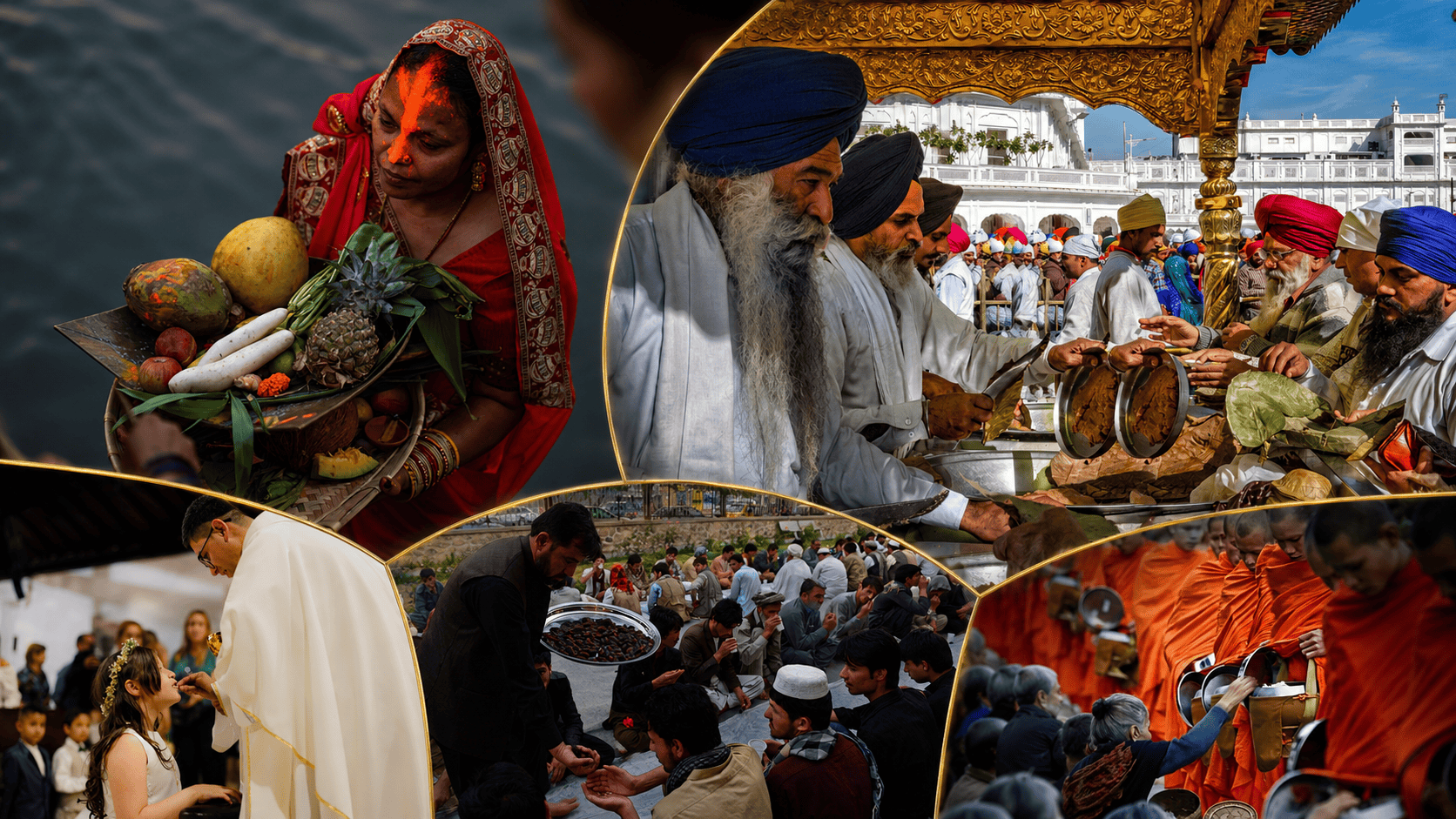
Walk through the world’s sacred kitchens and holiness has no fixed flavour. Bread and wine may become communion, matzah may carry the memory of escape, and a date at sunset may mark the end of a fast. In Hindu worship, food offered to a deity returns as prasada; in a Sikh gurdwara, langar seats strangers together as equals. Rice and sake honour the kami in Japan, barley and butter become Tibetan torma, while maize, tamales and favourite family dishes keep ancestors close across Indigenous and Mexican traditions.
Each tradition brings its own understanding of what makes food sacred. Meaning may come through consecration, remembrance, restraint, grace, selfless service, kinship with the land or care for the dead. The ingredient is only the beginning; sacredness gathers around its preparation, timing, ritual words, inherited stories and the people who offer, receive or share it.
Sacred food at a glance
Across cultures, food usually enters sacred life through these acts:
- Consecration: Prayer or religious authority sets food apart.
- Remembrance: A dish carries an escape, sacrifice, miracle or ancestor.
- Offering: Part of the harvest is given before people eat it.
- Restraint: Fasting changes the meal that follows.
- Sharing: Eating together expresses equality, charity or belonging.
- Inheritance: Recipes and rituals pass through generations.
These ideas often overlap, but they are not interchangeable. Catholic Eucharist is not Hindu prasada. A Ramadan iftar is not a Shinto naorai. Sikh langar carries a social and spiritual purpose that cannot be reduced to free food. The common thread lies elsewhere: ordinary ingredients become part of an extraordinary relationship.
The ingredient is familiar. The context changes everything
Wheat, rice, milk, dates, maize and salt belong to everyday kitchens. Sacredness begins when a community places them inside a particular order. Who prepares the food? Can it be tasted before the offering? Is it eaten at dawn, after sunset or once a year? Does it return to the community, remain on an altar or go to somebody in need?
Repetition deepens that meaning. A recipe prepared on the same sacred date for centuries becomes a cultural archive, preserving seasonal ingredients, old measurements, serving customs and family roles. Sacredness emerges through action, belief and collective recognition.
The offering that returns as grace
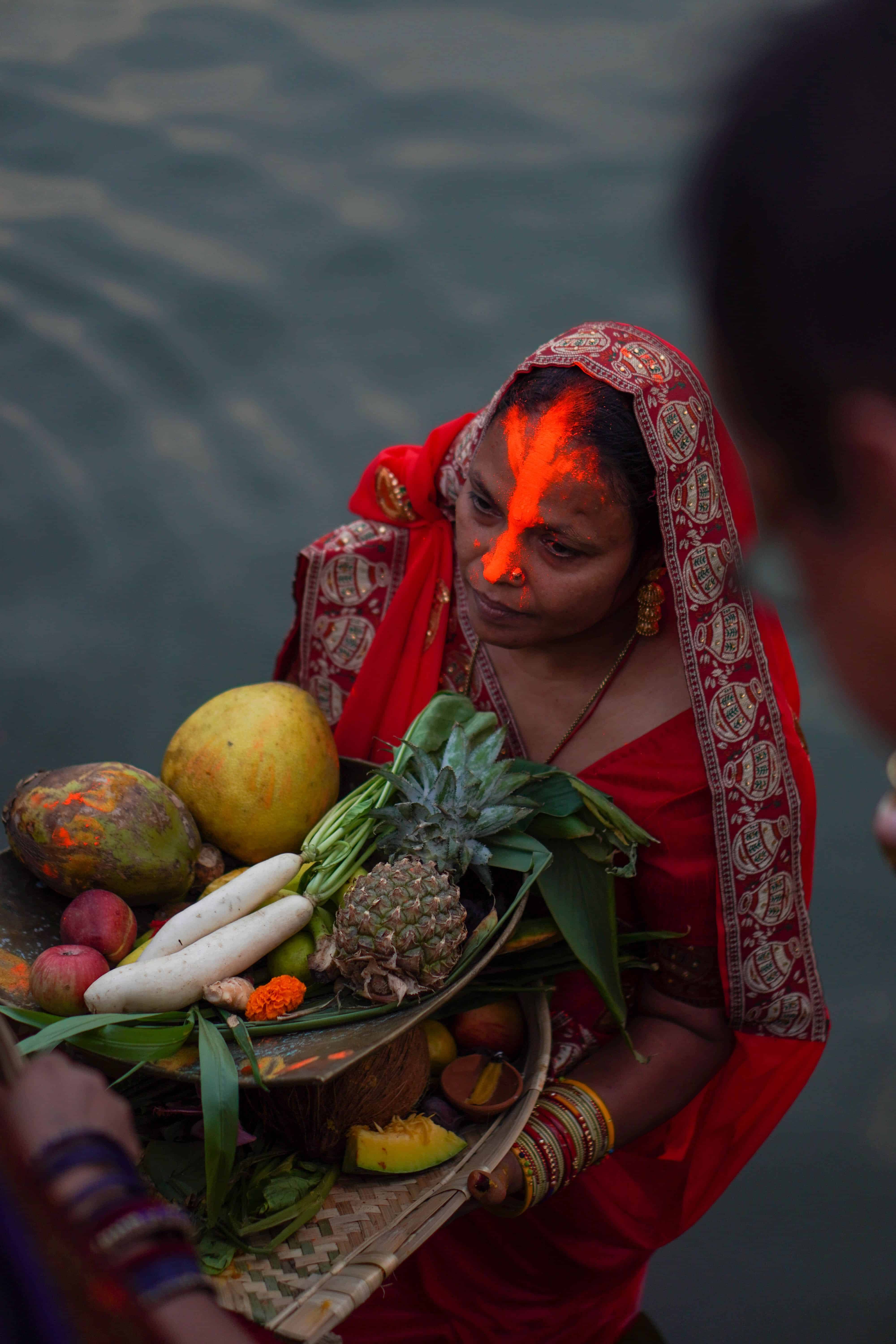
In many Hindu traditions, food follows a clear ritual journey. Before the offering, it may be called naivedya or bhog, depending on the region and tradition. After it has been presented to the deity, it returns to devotees as prasada. Often translated as “blessed food”, prasada carries the deeper sense of a gracious gift.
The ingredient can be remarkably simple: a banana, coconut, a few sugar crystals or a spoonful of sweetened milk. Yet offerings also reflect the deity, landscape and agricultural life surrounding a shrine. Milk, butter and sweets may recall stories of Krishna, modaks are closely associated with Ganesha, while rice, jaggery, fruit and coconut appear across many regional traditions.
Preparation is part of the ritual. In many temple and household kitchens, the food is made in clean vessels and is not tasted before being offered. The cook may follow rules concerning bathing, clothing, ingredients and timing. These practices turn cooking into an act of devotion long before the food reaches the altar.
At the Jagannath Temple in Puri, this journey takes place on an extraordinary scale. Rice, dal, vegetables, and sweets are cooked in earthen pots and carried out in a carefully ordered ritual. The food passes through traditions connected with Jagannath and the goddess Bimala before it is accepted as Mahaprasad. The hearths, vessels, cooks and route through the temple are as important as the finished dishes.
Other offerings become inseparable from one shrine. The dense fruit preparation, Panchamirtham, associated with the Palani temple has a protected geographical indication. In Ambalappuzha, Kerala, milk payasam carries stories of Krishna and a royal debt that multiplies through grains of rice. Their flavours have become another way of remembering the places that created them.
For pilgrims, prasada carries the journey home. A sweet may be divided into tiny portions so every family member receives a share. A child learns to accept it with cupped hands, while an elder may save a small piece for somebody unable to make the pilgrimage.
The meal that puts everyone on one level
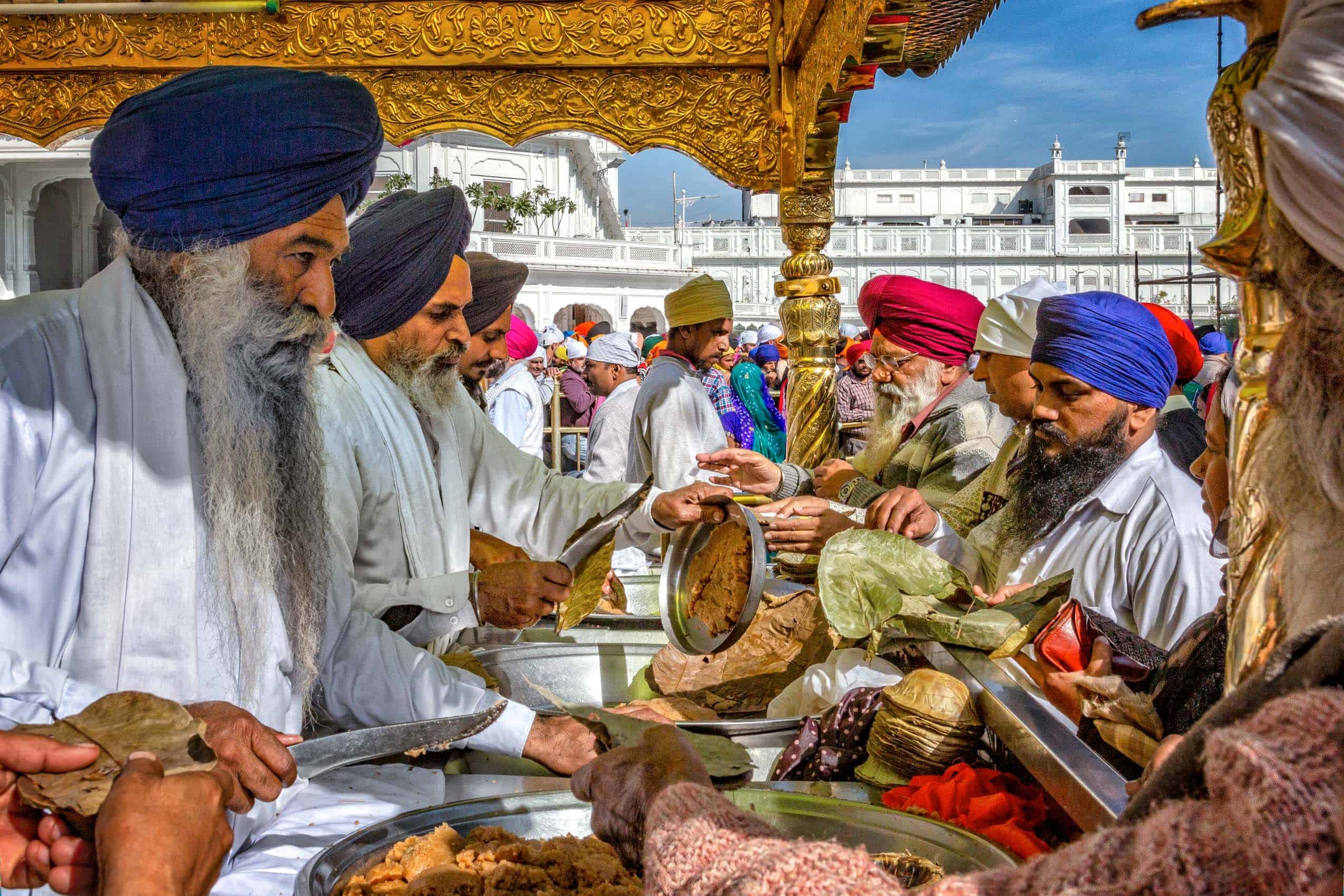
Sikh langar gives sacred food a powerful social purpose. Sikh tradition traces the community kitchen to Guru Nanak’s teachings on honest work, sharing and service. Guru Amar Das strengthened the practice of pangat, the shared line in which people eat together before entering the congregation. The principle is remembered as pehle pangat, phir sangat—first the shared meal, then the congregation.
At a gurdwara, everybody receives the same vegetarian meal without distinctions of caste, wealth, gender, religion or social standing. The menu may include dal, vegetables, roti, rice and something sweet. Its simplicity allows large numbers of people to eat together, while the vegetarian format makes the table accessible across many dietary and religious backgrounds.
The room itself carries the message. Business leaders, labourers, travellers and local families sit in the same rows, usually on the floor. Nobody receives a premium plate or a more important seat. The shared arrangement turns equality into something physical and immediate.
Behind the meal is seva, the Sikh practice of selfless service. Volunteers peel vegetables, knead dough, roll rotis, stir large vessels, serve water and wash steel plates. A person may arrive as a visitor and soon find themselves drying utensils beside a stranger. In the langar kitchen, service is part of worship rather than work hidden behind it.
At the Harmandir Sahib in Amritsar, the scale of the kitchen is remarkable, yet its rhythm remains deeply personal. Hands pass plates, ladles move down rows and fresh rotis arrive continuously. The institution works because thousands of small acts of service come together without demanding recognition.
Langar is distinct from karah prashad, the warm sweet made with wheat flour, ghee and sugar that is distributed equally after Sikh worship. One is a complete community meal and the other a sacred offering, but both are received without hierarchy. Together, they show how Sikh food traditions join devotion with equality, generosity and belonging.
Today, langar also travels beyond the gurdwara. Sikh communities organise meals during emergencies, public gatherings and periods of hardship, carrying the community-kitchen principle wherever food is needed. The setting may change, but the idea remains clear: nobody should face hunger alone, and nobody is too important to serve.
Bread remembers
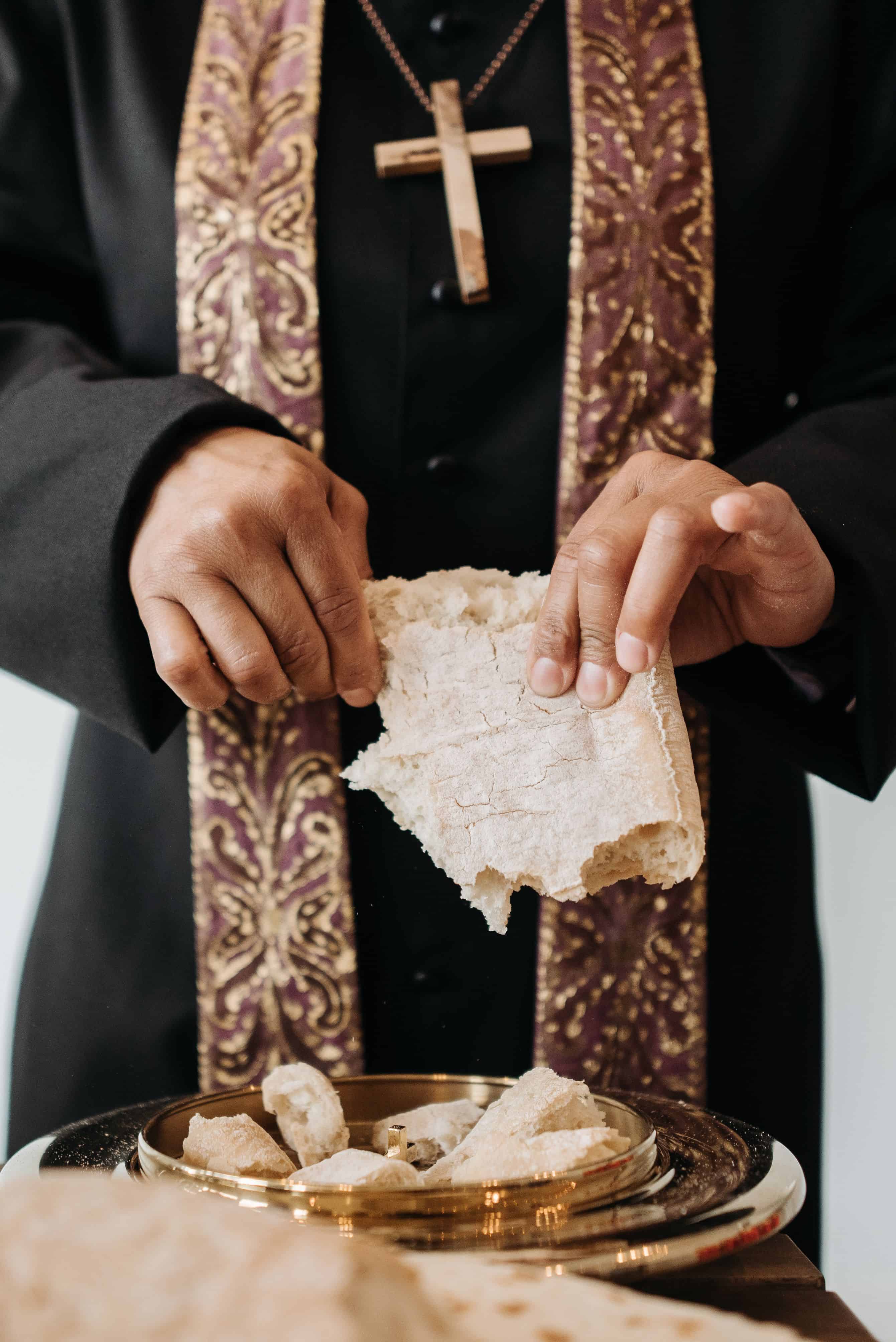
Bread begins with grain, water, labour and heat, yet at sacred tables those basics can carry enormous theological and historical weight. In Catholic teaching, the Eucharist is the sacrament in which consecrated bread and wine become the Body and Blood of Christ. The Vatican also describes them as the fruit of the earth and the work of human handsThe altar brings together nature, labour, the Last Supper and the gathered Church.
Christian traditions explain the Eucharist differently. The Church of England speaks of sharing bread and wine in remembrance of the Last Supper within its understanding of communion. Other denominations use their own language for presence, remembrance and sacrament.
At a Jewish table, braided challah welcomes Shabbat and signals the end of the working week. Blessings over wine and bread bring the family meal into religious observance. Dipping challah in salt has been connected to the covenant of salt and the table’s symbolic relationship with the ancient Temple altar.
During Passover, matzah made with flour and water recalls hardship and freedom: the food of enslavement and the hurried departure from Egypt, when dough had no time to rise. The seder plate makes memory edible. Bitter herbs recall suffering, salt water suggests tears and charoset evokes the mortar associated with forced labour. Tasting gives a child another way to understand the story; the body becomes involved in remembering.
Why a date tastes different at sunset
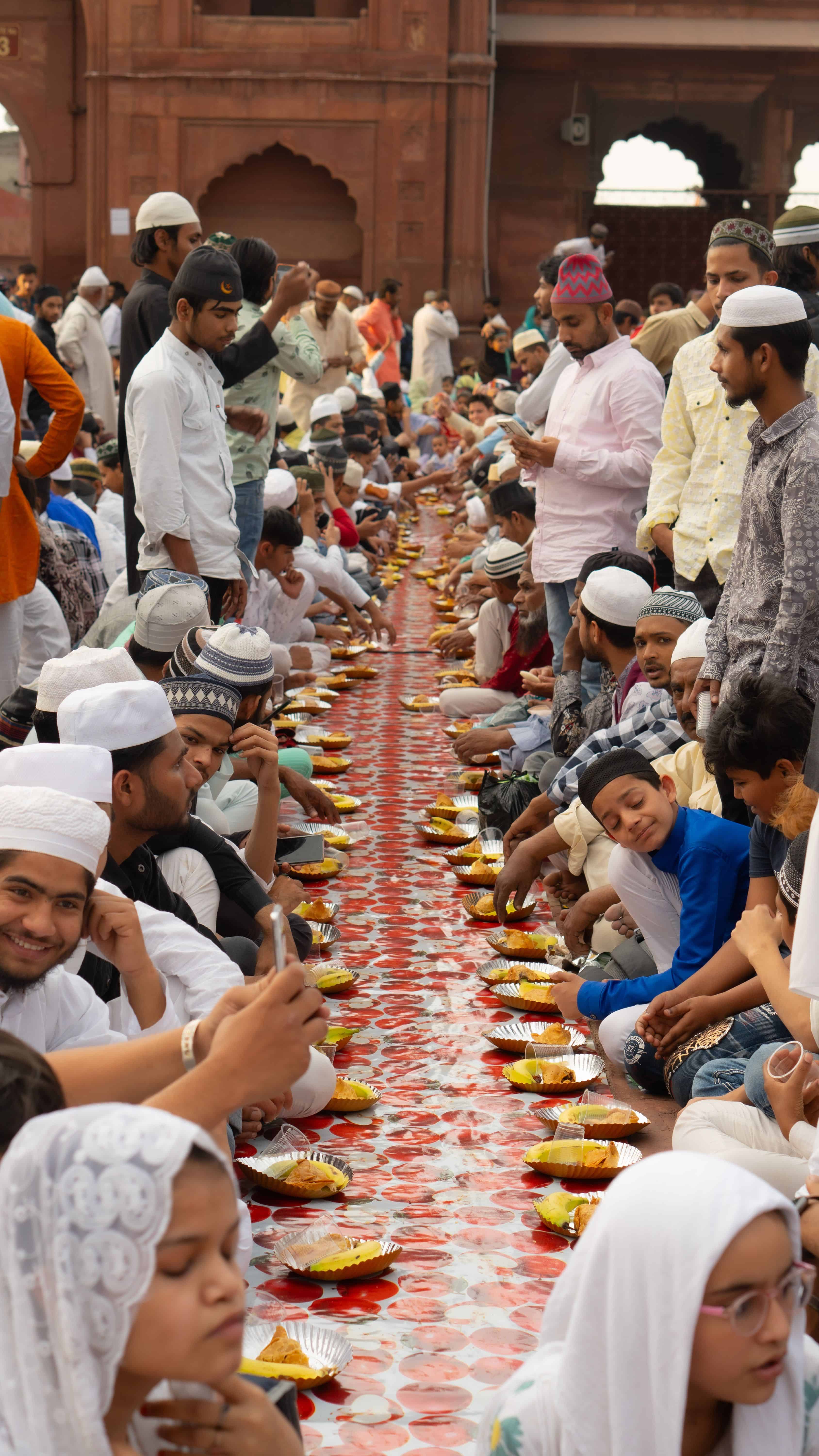
Food can gain spiritual force through absence as powerfully as abundance. During Ramadan, Muslims fast from dawn until sunset, interrupting the normal rhythm of the day and placing attention on discipline, worship, gratitude and the needs of others. The Qur’an also recognises circumstances such as illness and travel, while connecting fasting with feeding people in need.
At sunset, even water can feel newly precious. Many Muslims break the fast with dates, following the recorded practice of the Prophet Muhammad. The date remains materially unchanged; its meaning comes through Prophetic example, sacred timing and intention.
Iftar also expands beyond the individual. A hadith praises feeding a fasting person, while Ramadan meals bring together families, neighbours, mosque communities and people who might otherwise eat alone. Personal restraint opens into hospitality.
Ethiopian Orthodox Christian practice also includes weekly and extended fasts during which observant adults may avoid animal-source foods and delay eating. Over generations, these rules encouraged a rich repertoire of lentils, split peas, greens and spiced vegetables served with injera, turning fasting dishes into beloved parts of Ethiopian cuisine.
When the harvest is served to the gods first
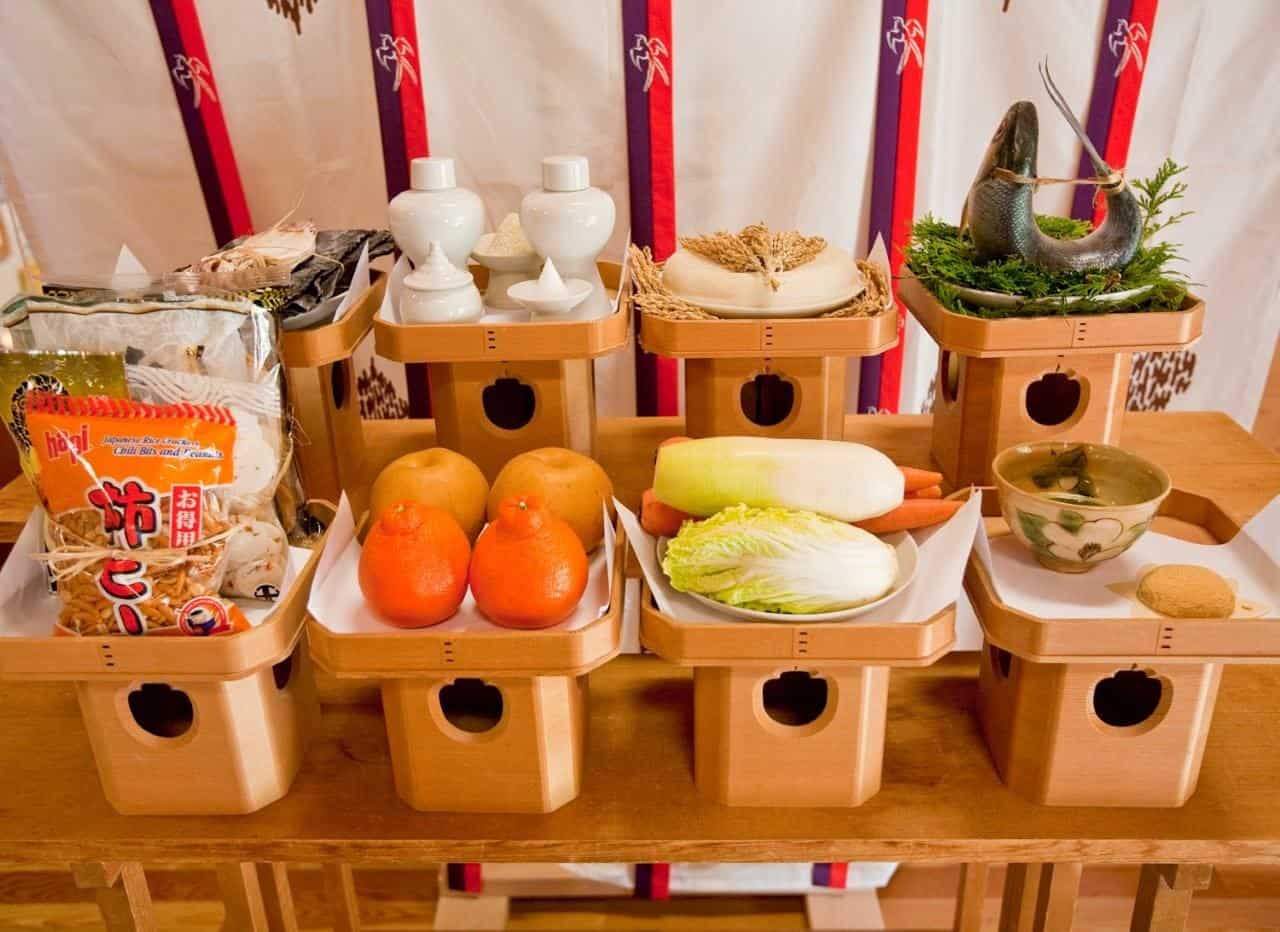
At Shinto shrines in Japan, offerings called shinsen may include rice, sake, salt, water, seafood and seasonal produce, varying with the shrine, festival and kami being honoured. Rice represents staple food, agriculture and the labour of cultivation, while sake made from rice also appears as an offering. Some presentations follow protocols preserved over centuries. The harvest pauses before human consumption as a portion is presented in gratitude.
After some rites, offered food and sake may be shared in naorai, the meal that accompanies or concludes the festival. The offering creates a movement between field, shrine, kami and community.
Buddhist food traditions span many schools and cultures. A Thai family offering food to monks, a Japanese household placing tea at an ancestral altar and a Tibetan practitioner making a torma are engaged in different rituals.
Often made with barley flour and butter, the Tibetan torma can be sculpted and used as an offering, a ritual object, or a symbolic substitute. The Rubin Museum describes tormas as a ritual language of generosity and reciprocity. Local ingredients become sacred art, carrying the Himalayan landscape into ritual.
Do chants change food?
Sacred meals are often surrounded by words. A priest speaks words of consecration. A Jewish household recites blessings over wine and bread. Muslims begin in the name of God and express gratitude after eating. Hindu offerings may be accompanied by mantras. Sikh community kitchens move within an atmosphere of prayer and service. Shinto priests recite norito, while Buddhist chants can frame offerings and meals.
The beliefs attached to these words differ, but ritual speech has several visible functions. It states intention, focuses attention and places the food inside a religious story. It can also bring a room into the same rhythm before anybody begins eating.
Science can study breathing, attention and emotional response, although it cannot test grace or divine presence. Small studies have connected rhythmic recitation with changes in breathing and cardiovascular rhythms. One experiment comparing the rosary and the Om mantra observed breathing slowing to around 6 breaths per minute. A later review found possible mental-health benefits, while warning that the evidence remains limited.
The sensible conclusion stays modest. Chants can shape the experience of preparing or receiving food. They do not add measurable nutrients to the plate. Religious meaning and nutritional chemistry remain different questions.
Is sacred food automatically healthy?
Many sacred foods reveal practical culinary intelligence. Rice and pulses can feed large groups economically. Fruit is portable. Vegetarian meals can accommodate broad communities. Lentils, vegetables and grains suit fasting traditions. Seasonal offerings encourage people to use what the local landscape provides.
Still, sacred food does not come with a health halo. Ghee, sugar, jaggery and fried preparations can be energy-dense. The size and frequency of a serving matter. A spoonful of temple sweet received occasionally has a different place in the diet than a large daily portion.
Fasting also affects people differently. Age, pregnancy, illness, medication and working conditions can change what is safe. Many religious traditions already recognise exemptions or adjusted obligations. Health advice should respect faith without treating one practice as suitable for everybody.
The World Health Organization bases healthy eating on balance, variety, moderation and limits on free sugars, salt and harmful fats. Sacred meaning may guide when and why people eat. Nutrition still depends on the full dietary pattern.
At major pilgrimage sites, food safety may be the more urgent scientific concern. Cooking for a family and feeding thousands of pilgrims create very different risks. Clean water, handwashing, temperature control, safe storage, clean utensils and waste management become essential.
India’s Food Safety and Standards Authority developed its “Eat Right Place of Worship” initiative around hygiene and food safety at religious sites. Reverence cannot replace sanitation. Good sanitation protects the people for whom the food has been prepared.
Why sacred food is living heritage
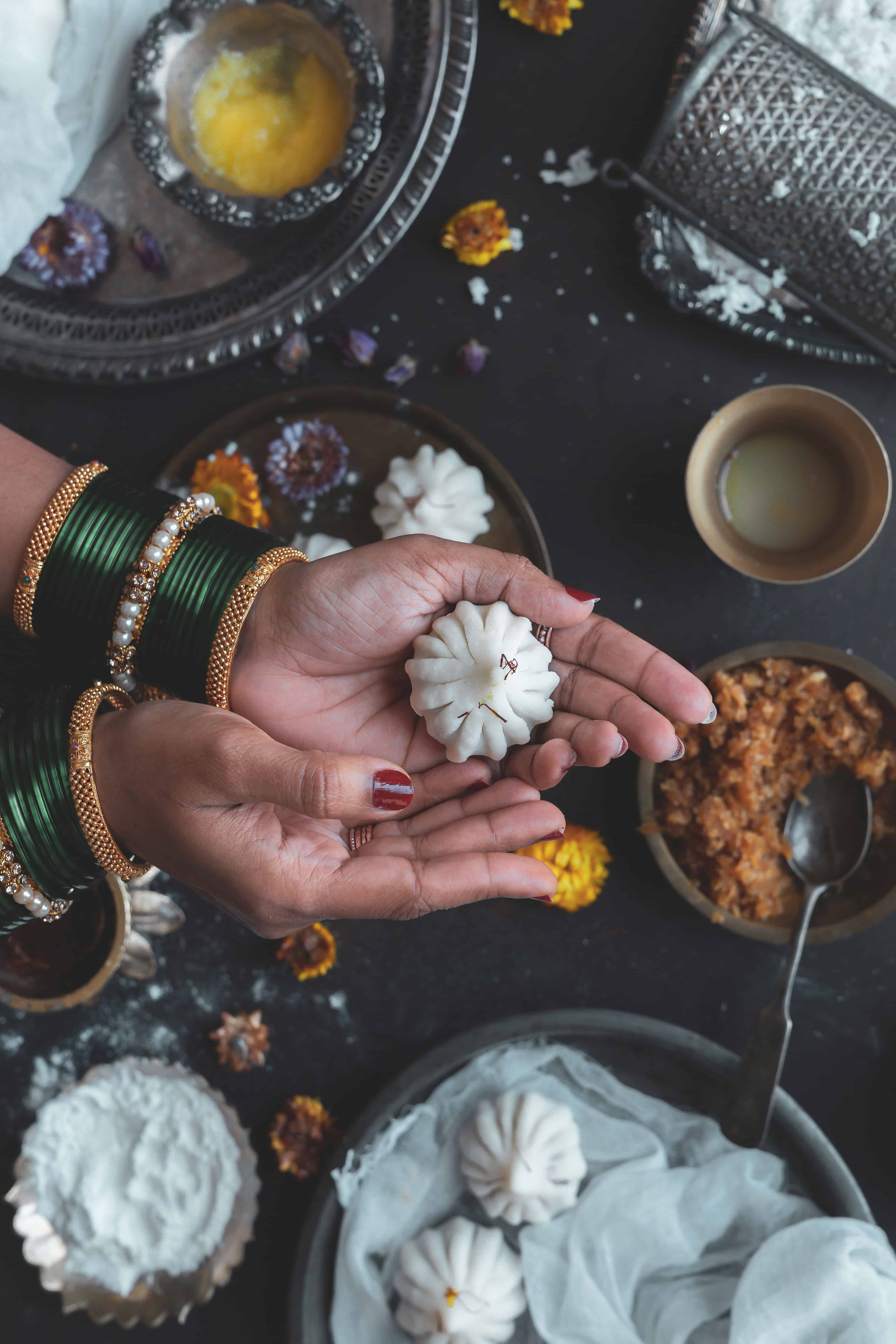
A sacred dish can hold more history than its recipe suggests. It preserves knowledge about crops, seasons, measurements, vessels, fuel, texture and serving order. It can record who was permitted to cook, who funded the meal, how food moved through a sacred complex and how leftovers were distributed. It also holds the stories told when younger generations ask why the family prepares the same dish every year.
This places sacred food firmly within living cultural heritage. UNESCO defines intangible heritage through the practices, knowledge and skills that communities recognise as part of their inheritance.
The word living is crucial. A ritual kitchen is not a display sealed behind glass. It adapts to crop failures, migration, new equipment, hygiene rules, environmental pressures and changing numbers of worshippers.
Historical evidence shows that sacred food has long depended on organisation. Inscriptions from the Srirangam temple complex in Tamil Nadu record food offerings, endowments and administrative arrangements across centuries. Recipes had donors, land, workers and supply chains.
The same principle applies globally. Eucharistic bread depends on grain, makers and church practice. Matzah depends on rules and communal trust. Ramadan meals depend on cooks, markets and charitable networks. Shinto offerings depend on farms, fisheries and seasonal knowledge. Day of the Dead altars depend on families who still know which dish belongs to which story.
Packaging or legal protection can preserve a famous name, but heritage needs more. The cooks who hold specialist knowledge need support. Local crop varieties need cultivation. Volunteers, farmers, cleaners and household cooks deserve recognition. Communities also need the authority to decide which practices may be shared publicly and which should remain within sacred boundaries. Food heritage survives through relationships: recipe and ritual, seed and soil, cook and community, memory and place.
The recipe that travels
Sacred food often becomes most emotionally powerful after people leave home. Migration can make the correct grain, leaf, fruit or flour difficult to find. Families substitute ingredients, adjust old methods and debate how much a recipe can change. A challah baked in Mumbai, an iftar shared in Toronto, a modak shaped in Melbourne or tamales prepared in London all carry the negotiation between continuity and adaptation.
Authenticity does not sit in the same place for every community. It may depend on an ingredient, a method, a blessing, a ritual authority or the act of gathering. Traditions remain alive partly because people keep making these choices.
Home kitchens carry smaller rituals too. A grandmother refuses to taste a festival dish before it has been offered. Separate utensils appear for one annual preparation. A child is asked to wait until the prayer ends. A sweet brought back from pilgrimage is divided among everybody in the house.
These habits connect formal worship with family life. They also create some of the strongest food memories people carry: smoke near a temple kitchen, the dry crack of matzah, the first cold water after a fast, cardamom in a festive sweet or a steel plate moving down a langar line. Years later, a flavour can restore the room, the season and the person who once served it.
Sacred food lasts because it gives large ideas a form that can be held, tasted and shared. Creation can live in a grain of maize. Exodus can be broken across a family table. Equality can arrive in a ladle of dal. An ancestor can be welcomed through a favourite dish. Grace can fit into a child’s cupped hands.
The food is eaten. The memory stays.
Frequently Asked Questions
What is sacred food?
Sacred food is connected to religious belief, ritual or community tradition. It may be offered, blessed, shared, eaten during a festival or used to remember an important event.
How does ordinary food become sacred?
Its meaning changes through prayer, offering, ritual preparation or sacred timing. The ingredient may remain the same, but the belief and practice around it set it apart.
What are some examples of sacred foods?
Examples include Eucharistic bread and wine, Jewish matzah, dates eaten at iftar, Hindu prasada, Sikh langar, Shinto rice offerings and food placed on Day of the Dead altars.
Why is fasting connected to sacred food?
Fasting creates discipline and makes people more aware of hunger, gratitude and sharing. The meal eaten after a fast often becomes a special moment of family and community.
Is sacred food always healthy?
No. Sacred food may have deep religious meaning but can still contain large amounts of sugar, ghee, oil or salt. Portion size and the overall diet remain important.
Why is sacred food part of cultural heritage?
Sacred food preserves recipes, local ingredients, rituals and family memories. Passing these traditions across generations helps communities maintain their history and identity.
Read more – Food Voyager