

Beyond forts and palaces, these 5 iconic Rajasthani handicrafts reveal traditions shaped by colour, skill and artistry
It is no doubt that when spoken about Rajasthan, we instantly picture big forts and huge palaces, deserts with camels roaming around or bright festive months; yet the cultural identity of this state can be found in its artisans as well. For decades, generations of artisans in all parts of the state have found their own unique methods and techniques for working with textiles, ceramics, fibres, woods & metals or colour.
The handicrafts of the state represent a long history and an indigenous variety of art forms. Others reveal a whole other world of understanding Rajasthan from the deep blues and turquoise designs in its pottery to refined patterns in miniature paintings, wooden figurines that become puppets with movement.
Exploring these traditions is not merely about discovering something to bring home you’re your travels. It is a chance to witness how materials, methods and tales have integrated into the identity of culture in the state.
Thewa: Gold and Glass from Pratapgarh
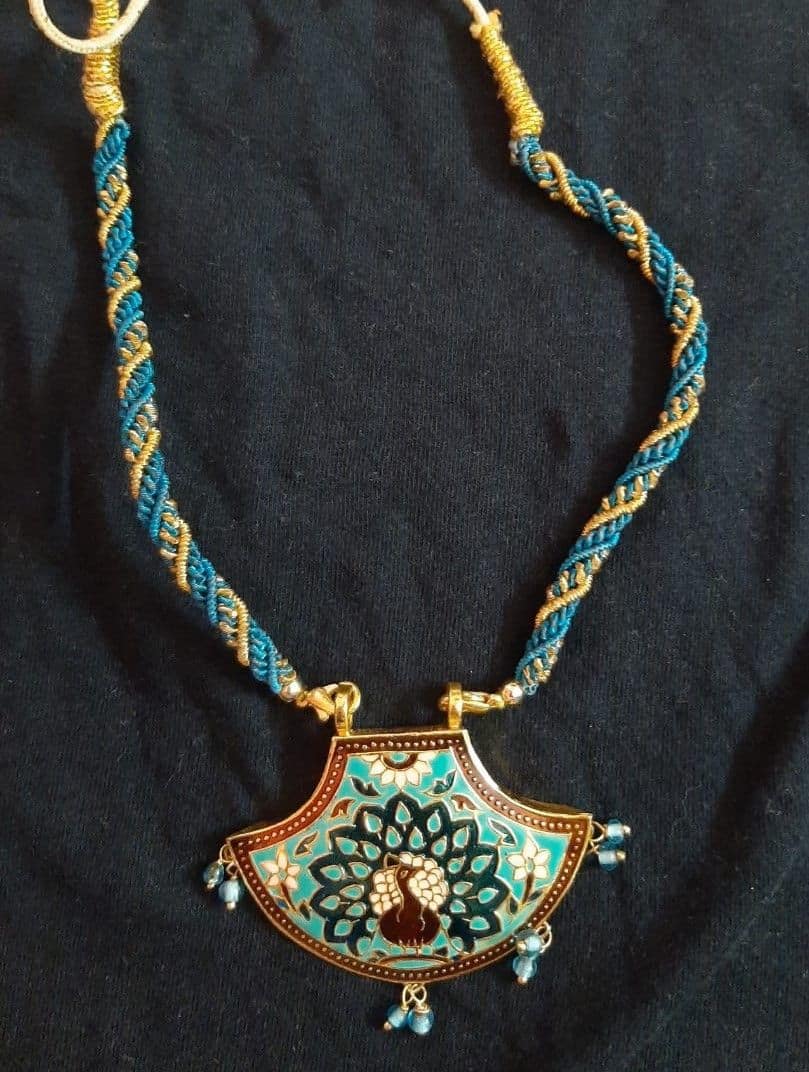
One such unique tradition from Rajasthan is Thewa jewellery, native to Pratapgarh. The method requires intricately working 23-karat gold and fusing it onto a piece of coloured glass. The specialty crafts of Pratapgarh is Thewa as per Rajasthan Tourism.
It is a long and tedious process because the gold must be painstakingly malleated into patterns before it can form with glass. The designs could vary from flowers, birds or landscapes to more ornamental motifs.
Thewa possesses various unique characteristics:
- Goldwork: 23k gold is made into delicate designs.
- Colored glass: The glass acts as the base material.
- Designs: Handmade crafts often feature floral and nature-inspired motifs.
- Pratapgarh connection: The craft has achieved a certain type of distinct identity with this part of Rajasthan.
The final jewellery items are therefore much more than just decoration. It represents a niche that has somehow woven into the artistic identity of Pratapgarh.
Kathputli: Stories That Come Alive
Rajasthan handcraft tradition is not only about things or objects. They also feature performance types in which figures are produced and integrated into narratives.
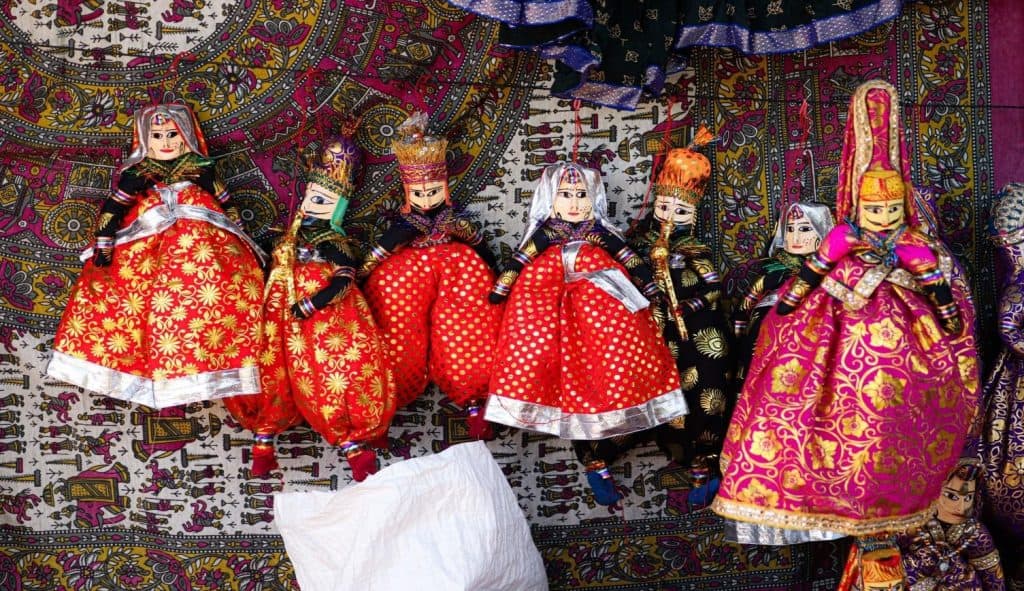
Kathputli or wooden puppetry of Rajasthan is a unique mix of carved wooden dolls, costumes music narration and performance. According to the Government of India’s handicrafts portal this tradition is reputedly over 1000 years old; its development being linked with Bhat community.
The puppets are humanely prepped before they come onto the stage:
- Wood work: Light weight wooden blocks are molded into the head and body of the puppet.
- Hand Painting: The faces are painted in expressive features and bold colours.
- Costumes: The fabric, embroidery and sequins and other decorative elements that give each character its look.
- Strings: Cotton or nylon strings are attached for the puppeteer to manipulate the puppet figures.
- Storytelling: The puppets become characters in folktales, historic tales and plays.
This is what makes Kathputli unique for explorers. The art does not stop when the puppet is made. That one handmade figure, small and simple as it may be, becomes a piece of a larger tradition that includes music, storytelling and performance.
Sanganeri and Bagru: Stories Printed on Cloth
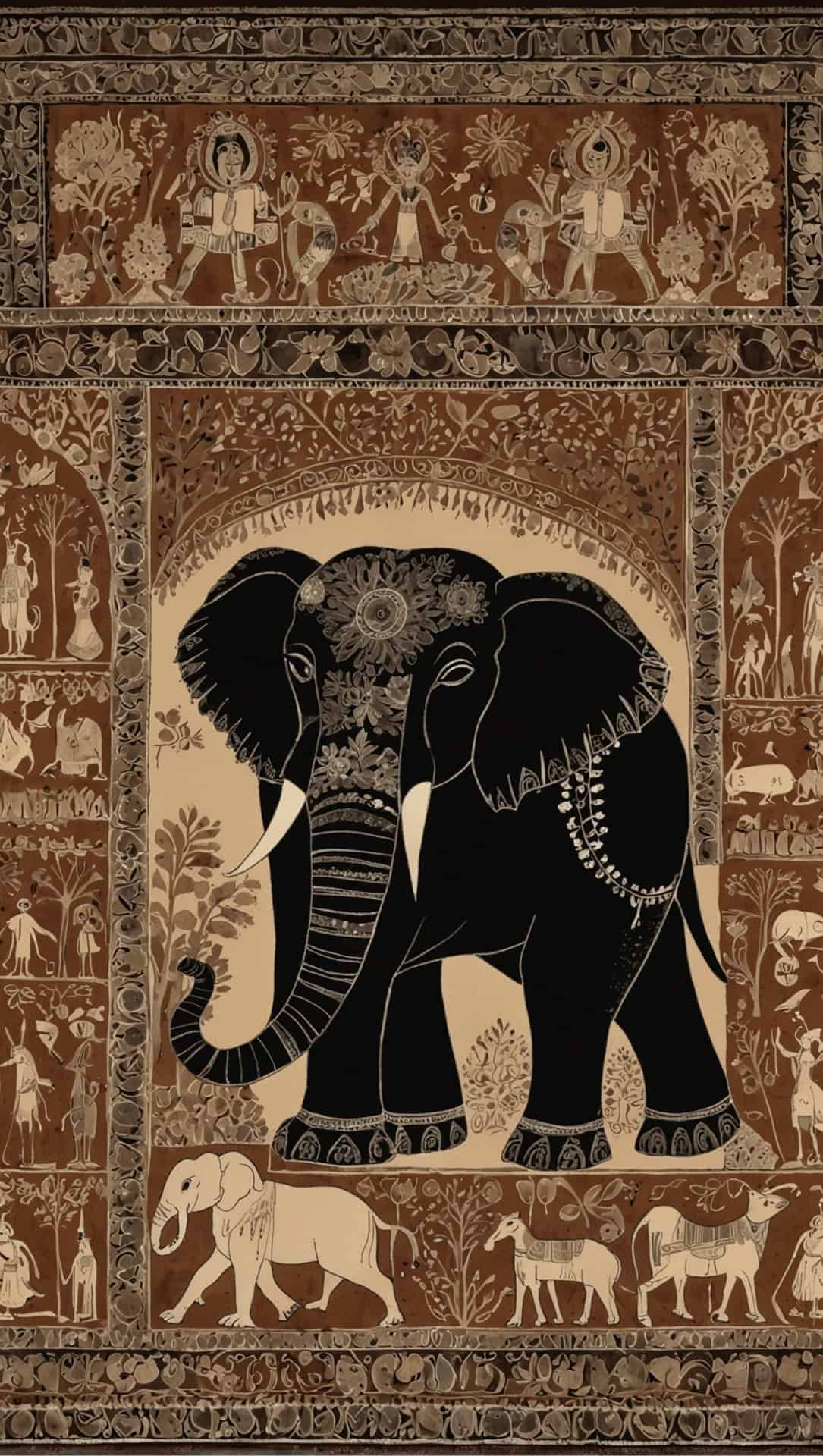
The regional identity of craft is well articulated in the textile traditions of Rajasthan. In Jaipur, Sanganeri and Bagru are more specifically related to hand-block printing.
The fundamental process includes cutting patterns into wooden blocks, putting dye on it and methodically pressing the block down onto fabric. After repeated impressions it slowly builds the whole pattern.
There are several components that the craft relies on:
- Designing the block: Patterns are carved into wooden blocks by artisans
- Preparation of the fabric : Before printing, it requires preparing a cloth.
- Colour application : Dyes are applied to the carved area of block.
- Printing: The block is repeatedly pressed on the fabric to form a design.
- Finishing: The textile is washed and dried to make it ready for use.
Sanganer is also known for its handmade paper and textile block printing which would be of interest to travelers as they can see how these things are made there. These textiles are beautiful not only for their finished patterns, but also the repetition and discipline involved in creating them.
Jaipur’s Blue Pottery: Colour Without Clay
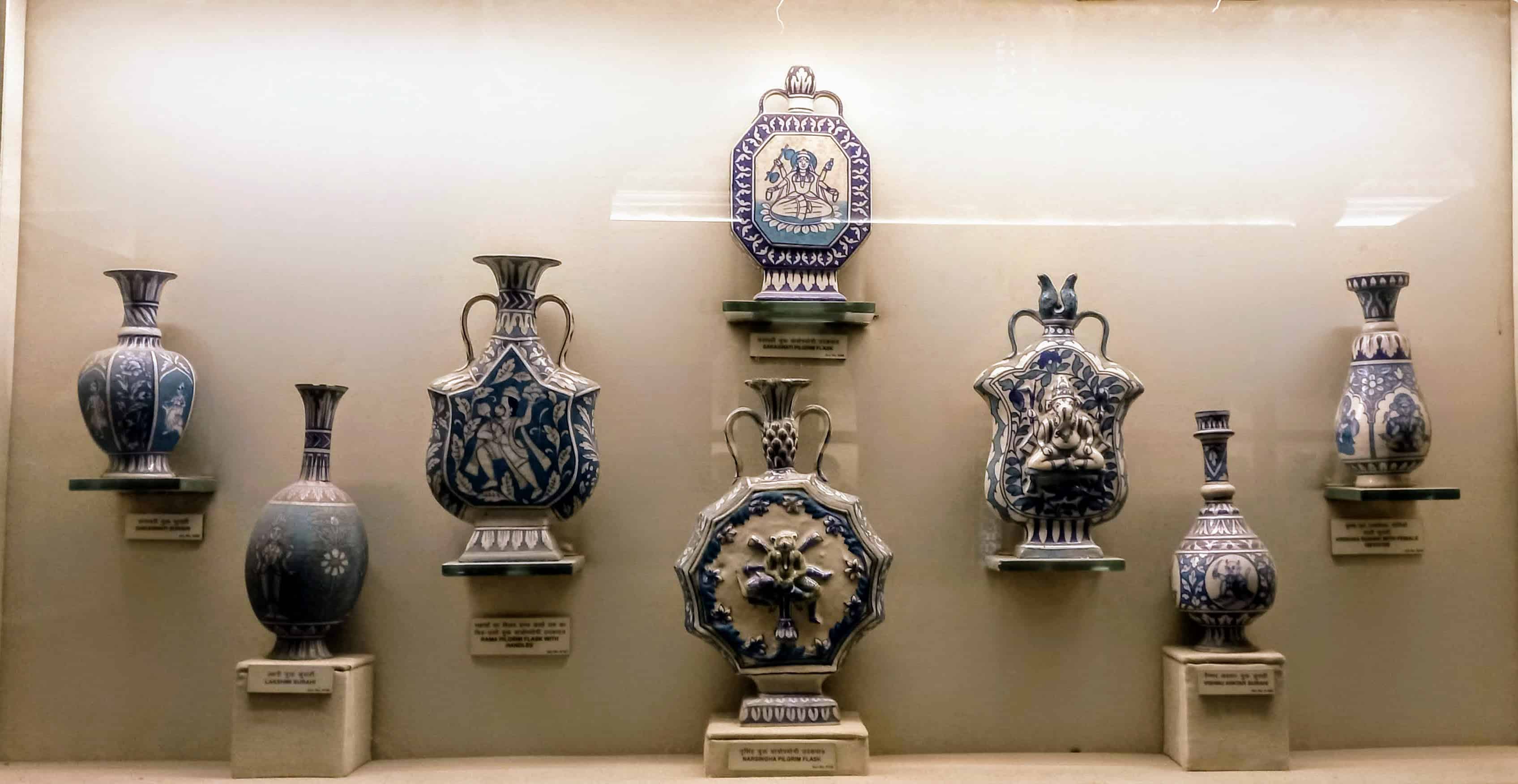
In Rajasthan, few crafts are as instantly recognisable as Jaipur’s blue pottery. The name is unusual as the craft itself, it was primarily created using quartz instead of traditional clay.
Rajasthan Tourism writes blue pottery was introduced to Jaipur post-Persian and Afghan-era influences, and became a signature craft of the city. The typical blue and turquoise colors are due to mineral oxides, the surfaces artfully decorated with floral, bird and animal motifs.
Here are some of its unique features:
- Quartz based material- The main material is made of quartz instead of normal clay.
- Hand-painted designs- Floral, bird and animal motifs are painted on the surface.
- Glazing – The glaze which provides the finished object a smooth appearance,
- The product objects– Plates, vases, trays, bowls, tiles and several decorative objects are made through the craft.
According to the handicrafts portal of Government of India, firing takes place between 800–850°C and the process includes shaping, drying, hand painting, glazing and kiln firing.
For all the visitors who go to Jaipur, blue pottery shows how an ancient art form that traces its roots beyond Rajasthan was slowly modified and created into a unique local craft.
Molela Terracotta: Stories Shaped in Clay
Apart from Jaipur’s blue pottery, Rajasthan is home to another very contrary pottery style. Molela, close to Udaipur: known for it’s terracotta plaques and figurative work
Molela is an area known for terracotta plaques of historical and religious figures, according to Rajasthan Tourism. The state tourism department also says potters in the village specialise in ceremonial images.
A few key elements help understand the tradition as such:
- Clay: This is the primary material, made of local clay.
- Religious themes focus: the vast majority of plaques illustrates deities and religious subjects.
- Traditional use: Plaques have been used for ceremonial and religious practices.
- Traditional craftsmanship in village: Pottery is intimately tied with the artisan communities of Molela.
Travellers visiting Molela are able to view a different aspect of Rajasthan’s rich tradition when they see clay transformed into medium to protect religious icons and representation of local craft practices.
Where Craft Becomes Culture
While these crafts are very different, they all have a link to the cultures in which they were developed.
- Thewa is the textured gold-and-glass work associated with Pratapgarh.
- Kathputli bridges traditional puppet art and storytelling practices of Rajasthan.
- In case of Sanganer and Bagru, these regional textile traditions have been the means through which diverse visual identities can be developed.
- Another one includes the use of blue pottery which is closely linked to Jaipur and its unique materials and colours.
- Molela’s terracotta plaques provide cultural and religious identity to clay.
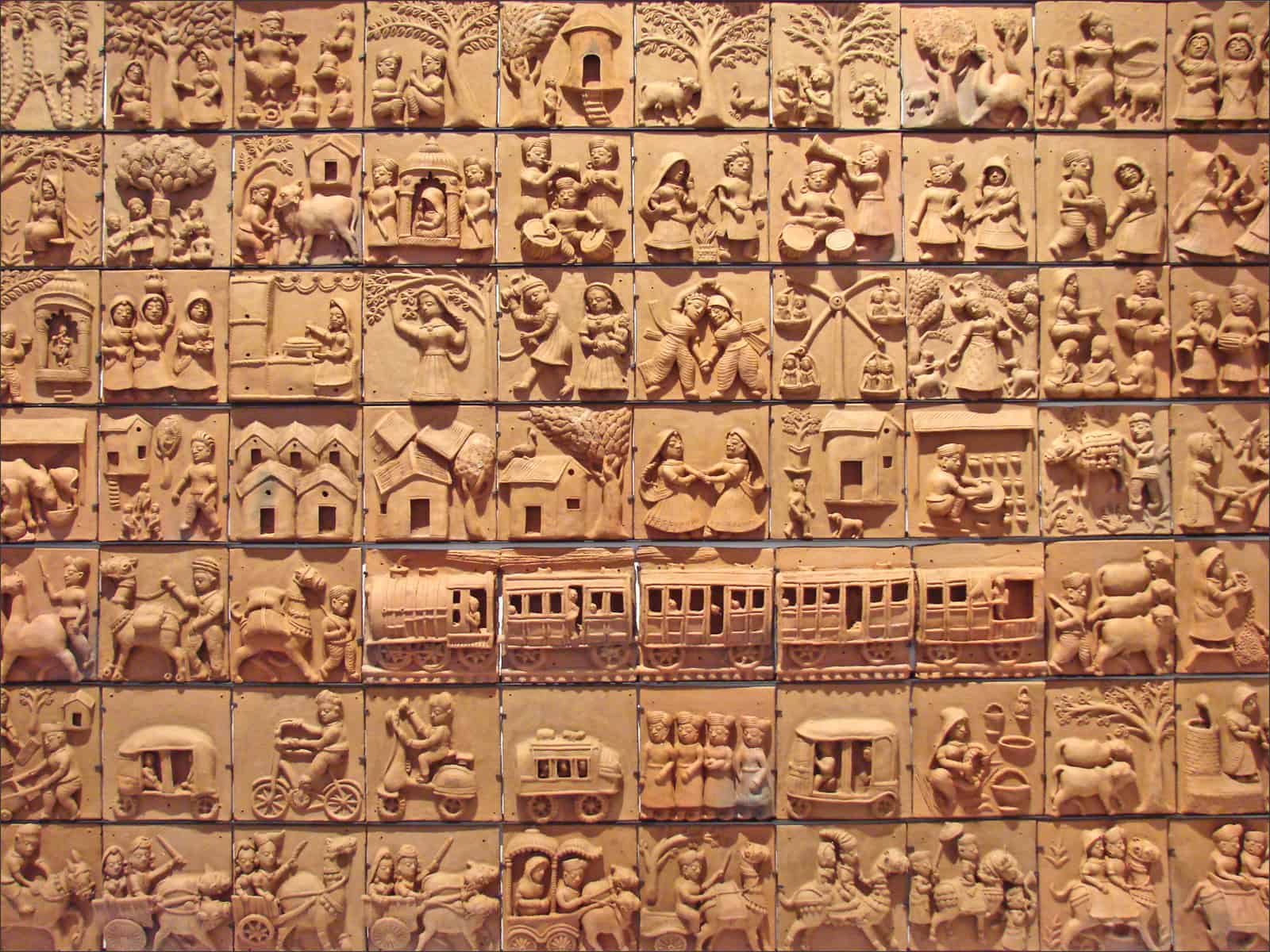
These crafts unite to show that one single style does not make up the artistic identity of Rajasthan. Materials move from gold and glass to wood, cloth; quartz and clay while the techniques along with stories changes with them.
A State Told Through Craft
The handicrafts of Rajasthan prove that a place tells its own story without saying a word. It could be in gold designs of Thewa, the sway of a Kathputli, the repeated impressions of a wooden printing block, the blue designs blooming Jaipur pottery, the earthy figures of Molela and details you can zoom into from miniature paintings.
These traditions have evolved through the years, but their links to history and cultural landscape of Rajasthan still reflect in many forms.
However, for travellers going beyond the forts and palaces can uncover a different Rajasthan — one of artisanship, trade secrets transmitted from generation to generation through an unbroken line of succession.
Maybe that is the true magic of handicrafts in Rajasthan. They are not merely pretty shapes intended for tourists. They are fragments of much bigger cultural narratives crafted by the hands of people who still contribute to Rajasthan’s colour and character and creative identity.
Read More: Discover Your India