

Adventure travel demands smart eating, thoughtful packing, and steady hydration, because the right food can shape stamina, mood, recovery, and comfort

Adventure travel asks more of the body than a holiday ever will. A mountain trail, a cycling route, a forest hike, a rafting day, even a long road journey through rough terrain can turn hunger into something far less casual than a missed meal. It can slow the legs, cloud judgment, dull the mood, and quietly flatten the very excitement that brought you there in the first place.
That is why food on an adventure is never merely about eating. It is about stamina, recovery, hydration, convenience, and knowing what the body will actually respond well to under physical strain. The right things packed into the bag can make the day feel stronger, lighter, and more enjoyable. The wrong things can make it feel unnecessarily hard.
The most useful adventure foods are not always the most glamorous. They are the ones that travel well, digest easily, hold up in changing temperatures, and give energy that lasts longer than a sudden burst of sugar.
The Morning Meal That Sets the Pace
The day begins before the trail does. A good breakfast matters because most adventure days start early, and the body burns through energy quickly once movement begins. This is not the moment for a meal that is oily, overly rich, or heavy enough to sit stubbornly in the stomach. It is the moment for food that feels balanced and reliable.
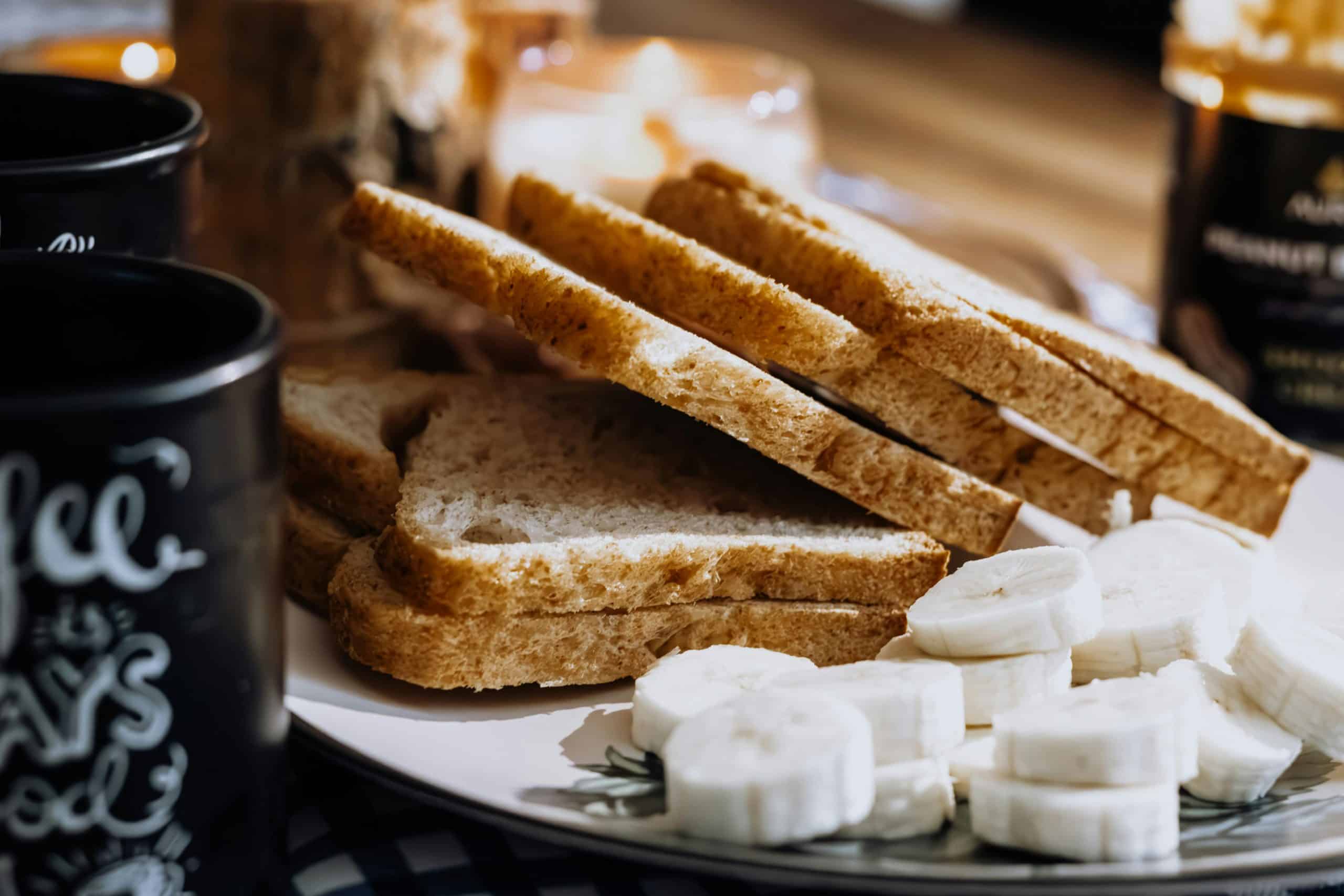
Oats, eggs, toast, fruit, yoghurt, poha, idli, upma, and even a simple paratha with curd can all work well, depending on the journey ahead. The ideal breakfast gives the body some carbohydrate for immediate fuel, a little protein for staying power, and enough substance to prevent an early crash. It should feel sustaining, not burdensome. In adventure travel, the first meal does more than fill a gap. It sets the tone for the hours ahead.
Food That Travels as Well as You Do
Once the day is in motion, food needs to become practical. Adventure travel is rarely kind to anything delicate, elaborate, or inconveniently packed. The best foods are the ones that can be slipped into a side pocket, eaten without ceremony, and trusted to survive heat, jostling, and long hours in a backpack.
Bananas remain one of the most effective foods a traveller can carry. They provide carbohydrate, are easy on the stomach, and work beautifully as a quick energy source. Dates, raisins, dried apricots, and other dried fruits serve a similar purpose. They are small, concentrated, and remarkably efficient when energy dips midway through a trek or drive.
They may not look especially exciting laid out on a kitchen counter, but on a demanding trail they begin to feel rather elegant in their own way. Good adventure food often has that quality. It reveals its value at exactly the right time.
Small Snacks, Serious Staying Power
Then come the foods that keep hunger quiet for longer. Nuts and seeds have earned their place in any serious adventure bag because they offer density without fuss. Almonds, peanuts, walnuts, pumpkin seeds, and cashews bring healthy fats, some protein, and a steadying quality that quick-sugar snacks rarely manage.
Trail mix works particularly well because it blends immediate and lasting energy in one easy handful. A thoughtful mix of nuts, seeds, raisins, and a little dark chocolate can outperform many packaged snacks that speak the language of endurance while delivering little more than sweetness.
There is plenty of room here for Indian staples too. Roasted chana, makhana, peanut chikki, and dry fruit laddoos are all smart choices. They travel well, remain satisfying, and suit Indian weather and travel habits far better than many imported snack ideas that appear stylish but wilt under real conditions.
Why Protein Earns Its Place
Adventure travellers often think first about quick energy, which is understandable, but protein deserves more attention than it usually gets. It helps the body recover, makes meals more satisfying, and prevents the kind of restless hunger that appears too soon after eating.
Protein bars can be useful, though it is worth choosing them carefully because many are closer to dessert than nourishment. Nut butter sachets are compact, easy to carry, and surprisingly filling. Boiled eggs can be practical on shorter outings, particularly in the first half of the day. Sandwiches and wraps with paneer, hummus, grilled chicken, or peanut butter work very well when a proper snack is no longer enough but a full meal feels impractical.
A good adventure food bag should not be all crunch and sugar. It should have something more substantial tucked inside, something that can steady the body when the day begins to stretch.
Hydration Changes Everything
Hydration is often treated as a background concern until fatigue, headache, or irritability arrives. By then, the body is already telling you that something essential has been neglected. Adventure travel increases fluid loss through sweat, exertion, sun exposure, and, in some cases, altitude. Water remains the foundation, but on long or demanding days, water alone may not always be enough.
Electrolyte sachets or oral rehydration solutions can help replace sodium and other minerals lost through sweat, especially in hot conditions or during sustained exertion. Coconut water can also be useful when available, though it is not always practical as a carry item. The larger point is simple. Hydration works best when done steadily. Small, regular sips through the day are far more effective than suddenly drinking large amounts once exhaustion has already arrived.
Eating for the Terrain Ahead
Not every adventure asks the same thing of the body, so not every journey should be fed in the same way. A trekker climbing steadily for hours needs foods that are light, calorie-dense, and easy to digest. A road traveller has more room but often makes poorer choices because easy access encourages mindless snacking. A camper may have the luxury of planning a warm meal, while someone rafting or kayaking needs compact food that can be reached quickly and kept safe.
High-altitude travel often calls for a gentler approach. Warm fluids, soups, simple carbohydrates, and familiar foods usually work better than anything very rich or heavily spiced. When the body is already under physical stress, predictability becomes a virtue. The best food on an adventure is often the food that asks the least of the digestive system.
The Indian Staples That Outperform Trends
Local food wisdom rarely gets enough credit in these conversations. Thepla remains one of the most travel-friendly foods around. It is sturdy, satisfying, and far less fragile than it looks. Khakhra is crisp, portable, and dependable. Stuffed parathas can be excellent for shorter journeys if packed properly and eaten early. Roasted peanuts, murmura mixes, jaggery-based snacks, and homemade energy bites all deserve a place in the adventure conversation.
There is something reassuring about food that belongs to habit, climate, and common sense. Many Indian travel foods were doing the job long before the modern energy bar arrived with glossy packaging and grand promises. Quite a few of them still do it better.
What the Body Would Rather You Left Behind
Some foods travel badly, and some simply behave badly once eaten. Very greasy meals can leave the traveller feeling heavy and slow. Very spicy food before strenuous movement may not suit a sensitive stomach. Creamy desserts and snacks made almost entirely of refined sugar can offer a temporary lift, only to leave the body flatter than before.
Alcohol is a poor idea before an active day, particularly when balance, hydration, and judgement matter. Too much caffeine can also be unhelpful if it unsettles the stomach or disguises dehydration. The aim is not to make adventure food joyless. It is to keep the body working with you rather than against you.
Packing Light Without Packing Poorly
Packing food well is part of travelling well. Snacks should be portioned rather than dropped loosely into one large bag. Hunger on the move is rarely patient, and nobody wants to unpack half a backpack in search of a few almonds. Leak-proof containers make a difference. Soft fruits need protection. Wet foods and dry foods should be packed separately. Every item should justify the space it takes.
Adventure travel teaches restraint. A bag overloaded with unnecessary food becomes irritating to carry, but a bag packed too lightly becomes a mistake by mid-afternoon. The sweet spot lies in choosing well rather than carrying more.
A Smarter Rhythm for the Day
One of the best ways to think about food during adventure travel is not in terms of one large meal and a few random snacks, but in stages. Start with a proper breakfast. Carry a quick energy snack for mid-morning, perhaps fruit or dates. Have something more substantial for lunch, such as a sandwich, wrap, or thepla roll. Keep a smaller afternoon booster ready, maybe trail mix or roasted chana. Once the activity is over, eat something that helps the body recover, with both carbohydrate and protein in the mix.
That rhythm makes the day feel more even. Energy stays steadier. Mood stays better. Recovery begins earlier. Adventure becomes less about managing discomfort and more about enjoying where you are.
The Luxury Angle: Adventure Food Has Evolved
Adventure food has moved well beyond the old formula of crushed biscuits, overly sweet bars, and emergency packets pulled out of a backpack with little enthusiasm. A more refined approach has entered the picture, one that understands that performance and pleasure do not need to sit on opposite sides of the trail. Today’s adventure traveller is as likely to carry artisanal trail mixes with toasted nuts, seeds, dried berries, dark chocolate, and sea salt as they are to carry any conventional snack. Gourmet protein bites, nut butter pouches, clean-label energy bars, and healthier ready-to-eat meals have brought a certain polish to the food bag without making it impractical.
This shift is not only about better taste, though that certainly helps. It is also about cleaner ingredients, more thoughtful nutrition, and food that feels aligned with a well-travelled lifestyle. There is a growing appetite for snacks that are high in protein, lower in refined sugar, and made with ingredients people can actually recognise. Ready-to-eat options, once associated with compromise, have also improved dramatically. Soups, grain bowls, oat pots, and dehydrated meals now come in versions that are lighter, smarter, and far more satisfying than the bland travel staples of the past.
Then there is the rise of eco-conscious snack brands, which adds another layer of appeal. Recyclable packaging, responsible sourcing, natural ingredients, and smaller-batch production have all become part of the conversation. Yet for all this evolution, local and regional foods often remain the true standouts. A good thepla, a dry fruit laddoo, roasted chana, or a well-made peanut chikki can easily outperform much of the glossy packaged competition. Luxury, in this context, is not about branding alone. It is about food that travels beautifully, tastes good, and works hard.
The Food Bag Matters More Than You Think
Adventure travel celebrates the dramatic things: the summit, the river bend, the cliff edge, the silence of a forest, the exhilaration of distance. Yet much of what makes a day outdoors feel good is shaped quietly by small decisions made before it begins. Food is one of them.
Good adventure food does not need to be fashionable. It needs to work. It should support the body, travel with ease, and hold its own through heat, dust, rain, altitude, and fatigue. When packed thoughtfully, it becomes part of the journey’s confidence. It keeps the traveller stronger, steadier, and more present. A brilliant day outdoors is built on many small acts of foresight. The food bag is one of the most underrated among them. Pack it well, and the trail feels kinder, the body feels sharper, and the adventure holds its magic much longer.
Read More: Latest