

Indian fine dining enters its brightest era with Michelin stars, bold chefs and regional imagination
Indian food has entered the world’s most coveted dining rooms with unusual confidence. In Dubai, London, Bangkok, Singapore, Geneva and New York, it no longer plays support act beside French sauces, Italian truffles, Japanese minimalism, Nordic ferments, or European service rituals. It holds the room. It shapes the evening. In some cases, it shapes the trip itself.
A table at a serious Indian restaurant abroad can now carry the same pull as a museum opening, a private island resort, a couture address, a landmark hotel suite. Travellers reroute flights, extend city breaks and plan entire weekends around one reservation. The meal becomes the anchor, with spas, shopping, gallery walks and hotel stays arranged around it.
The Table Has Changed
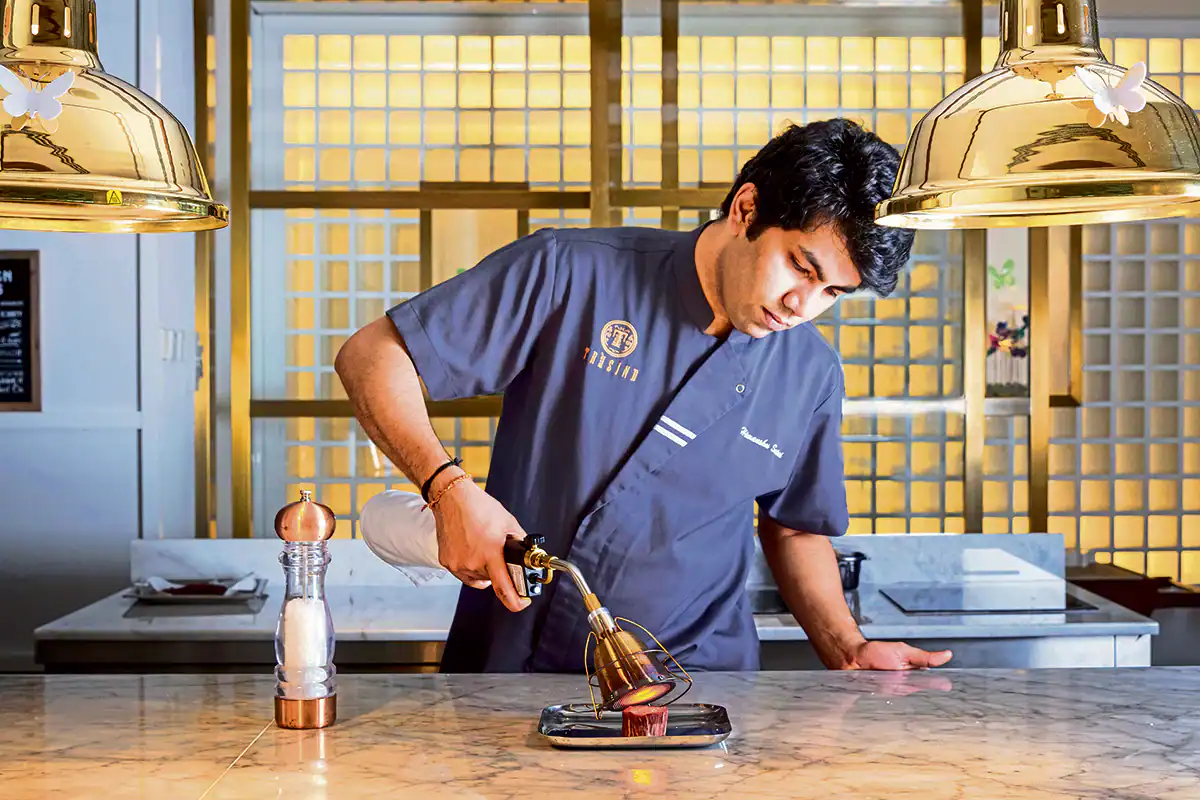
On a warm Dubai evening, Trèsind Studio begins with hush rather than spectacle. Guests enter a slim, candlelit room high above Palm Jumeirah, where barely twenty seats face an open kitchen. Menus are absent. The service team sets the pace, chefs move quietly, and a long surprise tasting arrives in porcelain, smoke, broth and small flashes of theatre.
The Rising India menu gives the meal its spine. Four acts travel across the Thar, the Deccan, the coast and the Himalayan north, each course anchored in memory, geography and technique. A pani puri may arrive as a crisp globe with avocado and jicama, brightened by green plum aguachile at the table. Another plate may lean on Onam sadya, coconut ice cream, fermented pineapple and spice.
Michelin has called Trèsind Studio the first Indian restaurant with three stars, a rare honour in any cuisine. Its number 13 place on The World’s 50 Best Restaurants list gave the room an even sharper pull among travelling gourmets. Many now build Dubai breaks around a single reservation. Indian food, once slotted into comfort dining, has become an anchor for luxury travel.
The Global Stage
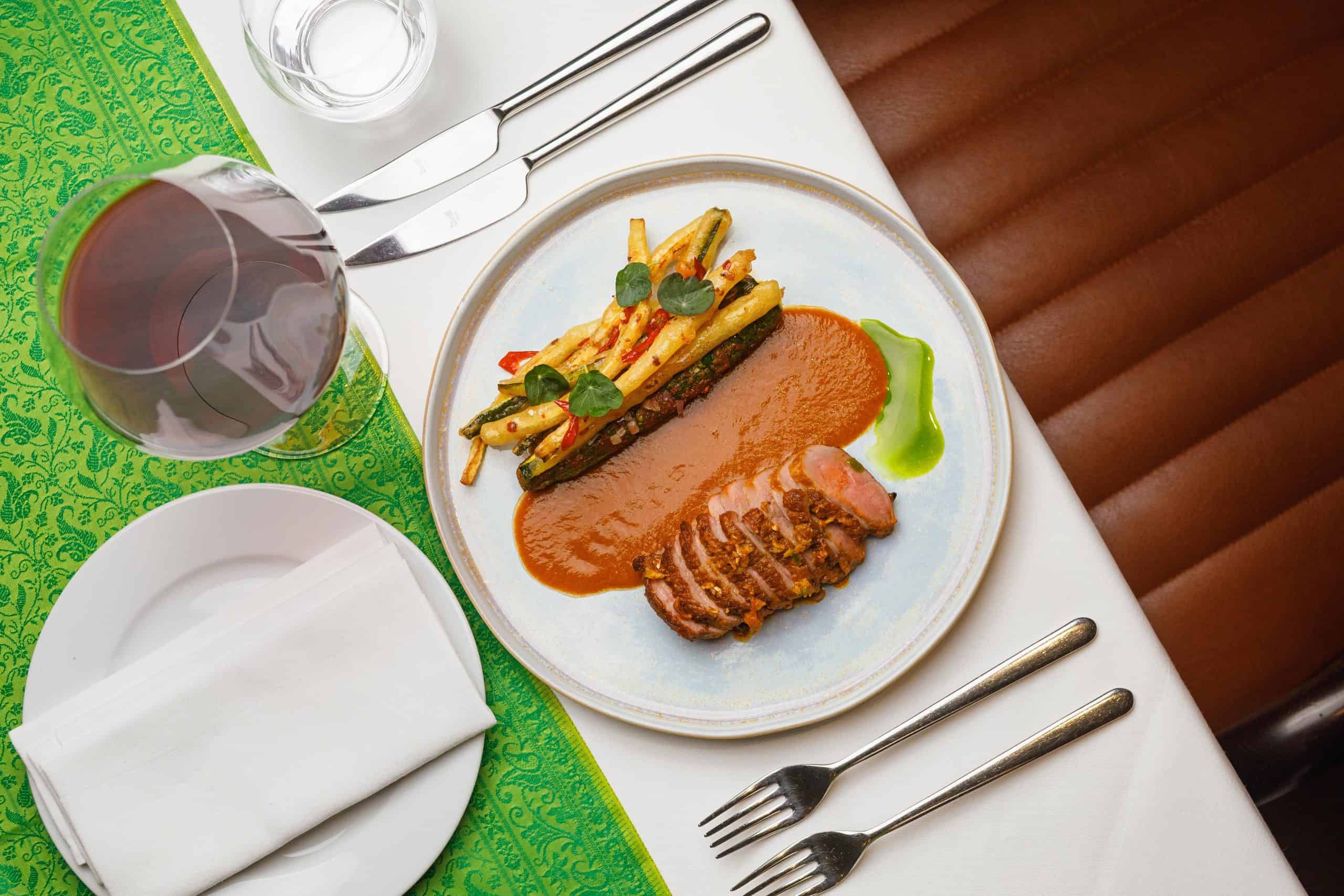
London gave Indian fine dining its early global lift. In 2001, Atul Kochhar earned a Michelin star while leading Tamarind in Mayfair, a moment that changed how Indian cuisine was read in formal dining rooms. He later opened Benares, which won its own star in 2007 and helped establish a modern British Indian vocabulary. Scottish salmon, local lamb, game and seasonal vegetables met smoked aubergine, fenugreek, tamarind and restrained heat.
Vineet Bhatia moved along a parallel path. His restaurants in London and Geneva brought Indian flavours into tasting menus, wine pairings and architectural plating. Rasoi by Vineet in Geneva earned two Michelin stars in 2009, placing him among the few Indian heritage chefs recognised across more than one country.
Singapore added another chapter when Chef Manjunath Mural led The Song of India into the Michelin guide in 2016. Its colonial bungalow setting gave pan Indian cooking an elegant stage, with kothimbir wadi, Lucknawi lamb shank and venison laal maas plated with fine dining restraint.
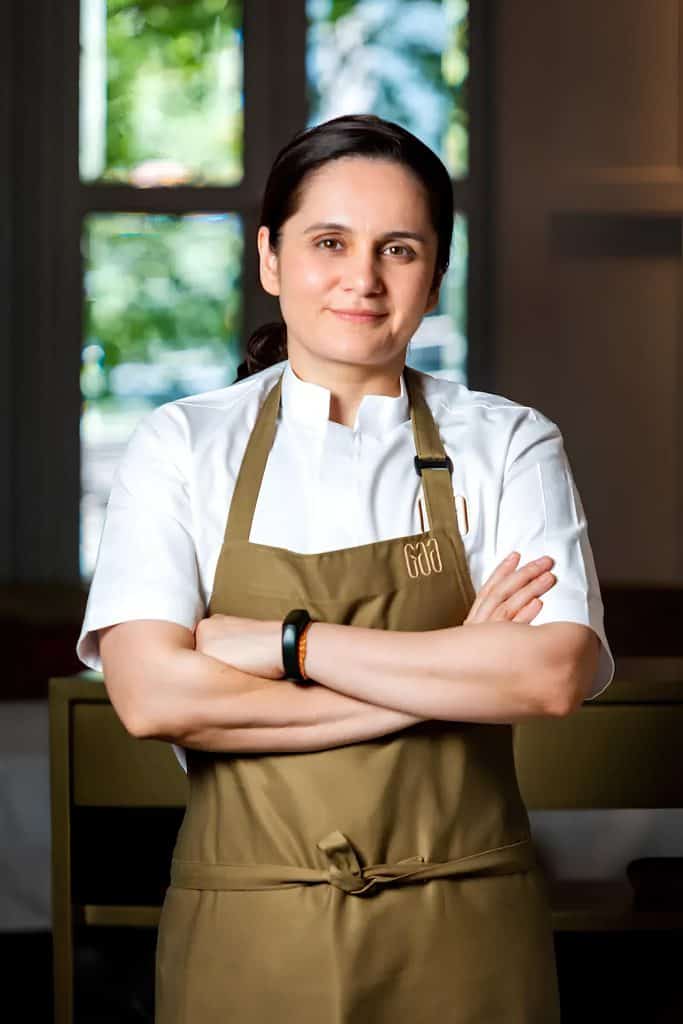
Then came Bangkok. Garima Arora’s Gaa earned its first Michelin star in 2018 and a second in 2023. Thai produce, Indian memory and Nordic discipline meet there in a language that feels personal rather than borrowed.
Pioneers Abroad
A culinary trip through Europe, Southeast Asia and the Gulf can now read like a sequence of Indian tables. Kochhar’s restaurants in Britain still prove how flexible the cuisine can be. Benares remains a Mayfair reference point, while Kanishka, Sindhu and Riwaz carry his style across varied moods. The food changes with the setting, yet the Indian hand stays clear.
Bhatia’s influence is wider than one address. His early tasting rooms in London and Geneva showed that a townhouse, hotel dining room and intimate counter could all carry refined Indian cooking. Smoked salmon with tandoori spice, tamarind-glazed quail and layered sauces offered a persuasive model. Today, his work moves through consulting, hotel menus and projects in Geneva, Mauritius, Dubai, Abu Dhabi, Saudi Arabia, Qatar and Mumbai.
In Singapore, The Song of India created a template for Indian fine dining in colonial bungalows. A dinner there became more than a menu. It began at the veranda, passed through cocktails, kebabs, curries and biryani, then ended with the feeling of a private residence rather than a restaurant.
Bangkok’s Benares adds a modernist charge, pairing Indian flavours with sous vide cooking, molecular detail, plush interiors and serious beverages. Across these addresses, Indian cuisine has gained range, pace and global fluency.
Bangkok And Dubai
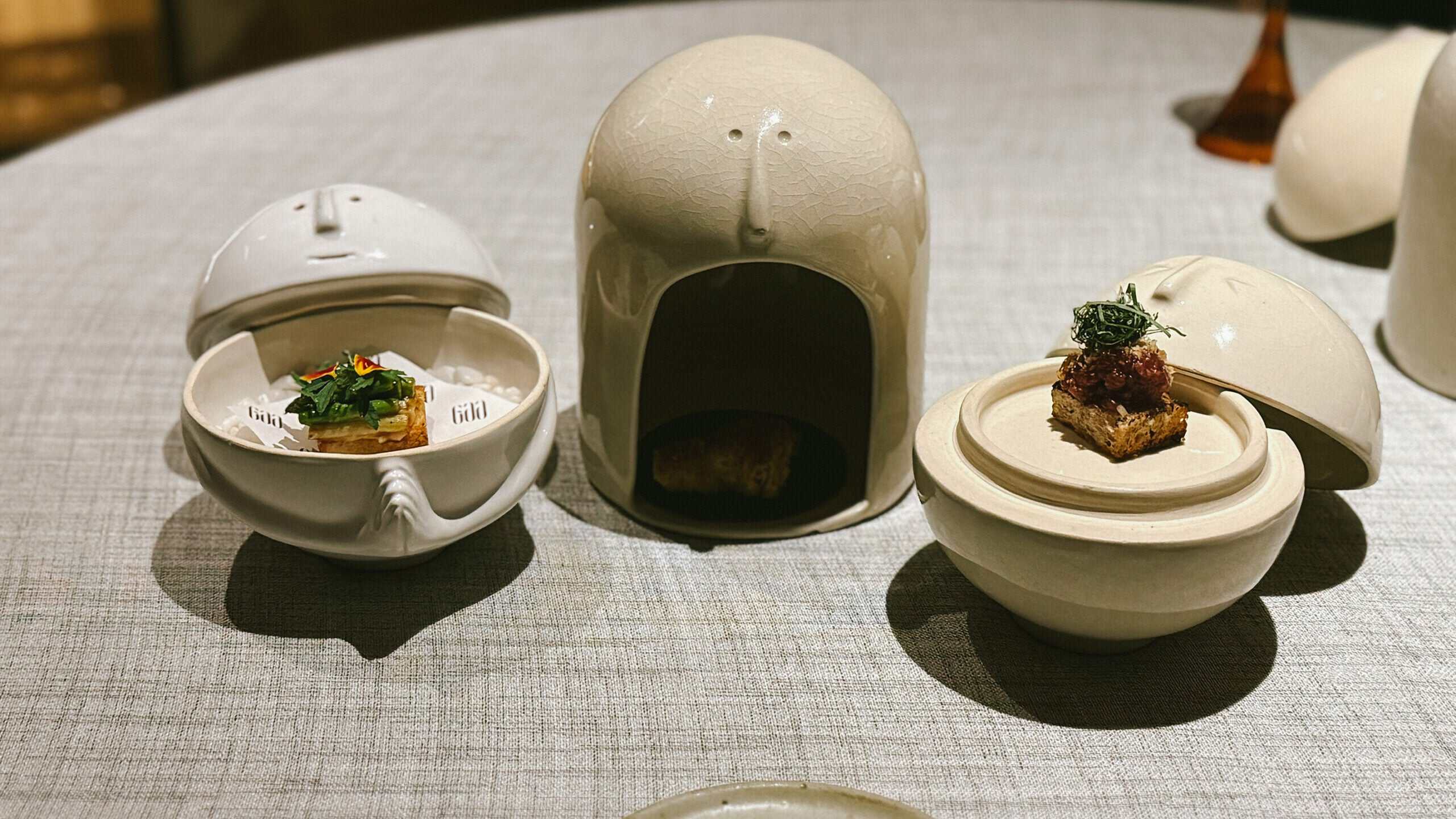
Bangkok’s Indian scene has moved well past the easy curry house label. At Gaa, Garima Arora explores Indian technique through Thai ingredients, using jackfruit, coconut, fermented notes, tropical fruit and spice with unusual delicacy. Some courses invite fingers. Others arrive as small, exact bites. The renovated Thai house adds warmth, making the meal feel intimate rather than ceremonial.
Elsewhere in the city, Indian restaurants borrow Bangkok’s appetite for theatre. Benares speaks in tasting menus, sous vide cooking, molecular touches and wine pairings. Newer Indian spaces bring Old Delhi references, music, chaat, grills and a lively nightlife mood. For visitors, an Indian dinner can now anchor a Bangkok evening as naturally as a Thai tasting menu.
Dubai has taken a more concentrated path. Trèsind Studio sits at the centre of its Indian fine dining story, aided by its rooftop setting, tiny room and multi-hour rhythm. The experience feels mapped, almost cartographic. Little landscapes appear on the table. Dishes move through desert, plateau, coast and mountain. A garden nearby supplies herbs and microgreens. After the meal, guests may leave with a booklet tracing the menu’s regions.
Both cities understand intimacy. They offer open kitchens, small counts, patient service and stories that make regional India legible for global diners.
Echoes At Home
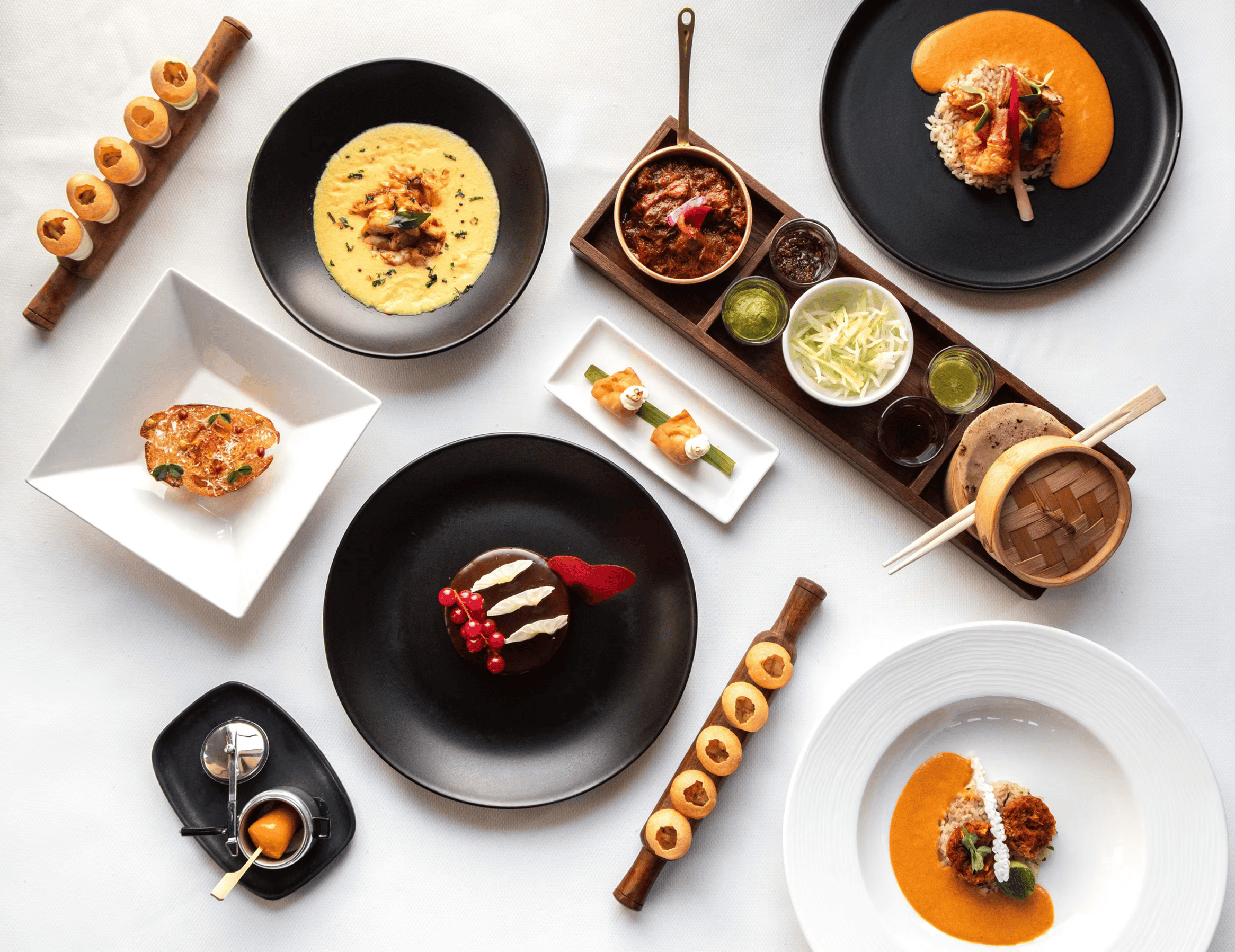
Recognition abroad has changed expectations inside India’s leading hotel dining rooms. In New Delhi, Indian Accent long served as the country’s benchmark for inventive Indian cuisine. First at The Manor and now at The Lodhi, it reworks chaats, regional snacks and familiar dishes with global ingredients and sleek technique. A meal may begin with wild mushroom soup and blue cheese naan, shift through Gujarati khakra tartlets, then land on Kanyakumari soft shell crab with sol kadhi.
The Oberoi’s Dhilli takes a city as its subject. Mentored by Vineet Bhatia, the menu moves through Chandni Chowk, Jama Masjid, CR Park and Nizamuddin. Dahi bhalla may appear as a yoghurt parfait. Kebabs, Bengali sweets and Punjabi dhaba memories gain hotel-level finesse.
Mumbai brings another rhythm. Ziya at The Oberoi, guided by Bhatia, pairs Marine Drive views with modern Indian menus. Trèsind Mumbai works with long chef’s tastings, indigenous flavours and research-led regional themes such as Malvan and Sindh.
Hyderabad adds palace gravity at Adaa in Taj Falaknuma Palace, where Nizami recipes, dum biryani, shorba and kebabs carry the drama of state banquets. Goa’s luxury resorts treat coastal cooking with growing precision, giving prawn curry, recheado fish and Konkan flavours a polished resort frame.
Manish Mehrotra And Modern Indian
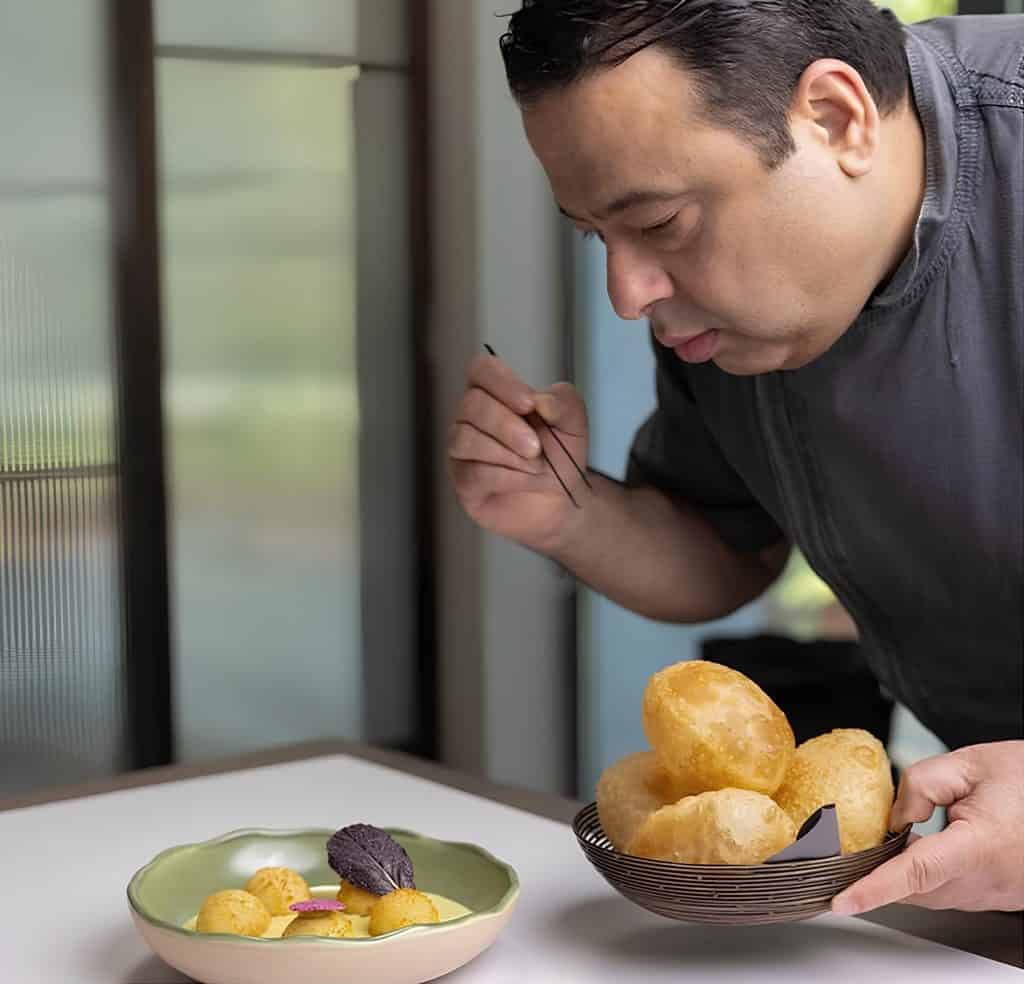
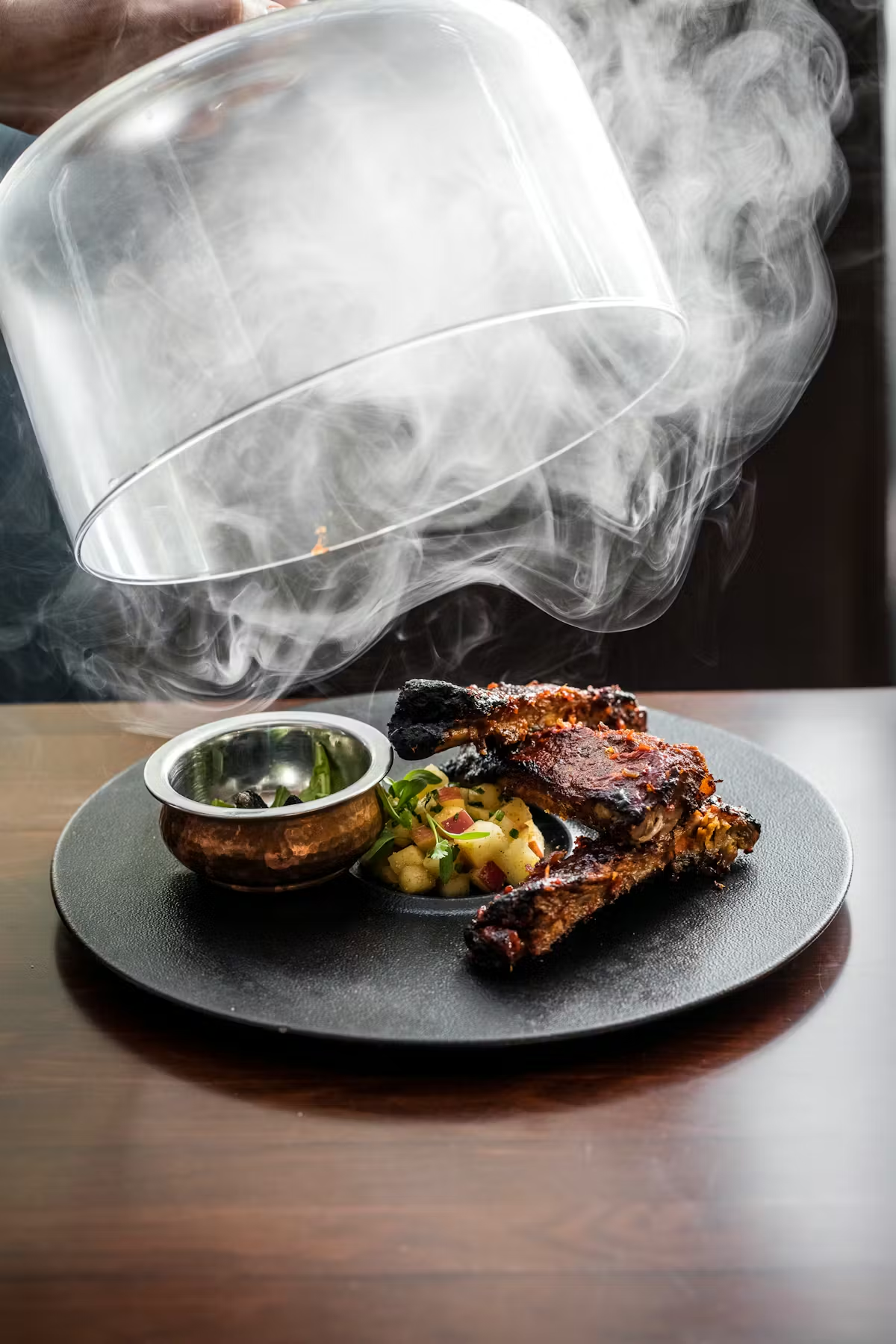
For nearly two decades, Indian Accent and Manish Mehrotra were shorthand for modern Indian cuisine at its most influential. When the Delhi restaurant opened in 2009, its blue cheese naan, meetha achaar pork ribs and seasonal daulat ki chaat felt startling. Nostalgia met polish without losing warmth. The plates were playful, yet the flavours stayed close enough for Indian diners who knew the originals.
Mehrotra’s gift lies in making research taste easy. He moved through homes, regions, memories and family kitchens, then folded those references into menus that looked global and tasted unmistakably Indian. A snack could become a course. A street memory could sit beside imported cheese. A regional sweet could close a meal with wit instead of heaviness.
Indian Accent became one of India’s most cited restaurants, earning regular presence on Asia’s 50 Best Restaurants and helping Indian cuisine claim a modern global voice. Its outposts in New York and London carried that view abroad, while Comorin in Gurgaon offered a more relaxed, deeply intelligent version of the same spirit.
Mehrotra often described his work through the lens of culinary anthropology. That phrase can sound formal. On the plate, it felt simpler: memory, edited well.
A New Chapter With MMCA And Nisaba
When Mehrotra stepped away as culinary director of Indian Accent and Comorin in 2024, the move carried real weight. Around twenty-four years with the parent group had made his name closely tied with its most famous restaurants. His note spoke of new frontiers, family time and a future project. Long-time collaborator Chef Shantanu Mehrotra took charge in Delhi, while younger teams carried the brand ahead in Mumbai and New York.
The next chapter arrived as Manish Mehrotra Culinary Arts, created with Amit Khanna and Binny Bansal. MMCA is built wider than a single dining room. It includes new restaurant ideas, catering, mentoring, research and a broader stage for chefs. Food becomes cultural narrative here, grounded in India yet open across the world.
Nisaba, his first independent restaurant, gives that idea shape. Opened in early 2026 at Sunder Nursery in Delhi, overlooking the Humayun’s Tomb museum complex, it takes its name after an ancient Sumerian goddess of grain and knowledge. The menu centres on grain, fire and comfort. Signature dishes such as blue cheese naan and meetha achaar pork ribs remain, now framed by an easier mood.
Early diners arrived with Indian Accent memories. Nisaba answers with a looser, more personal voice, less performance, more appetite.
Sanjeev Kapoor And The Home Kitchen
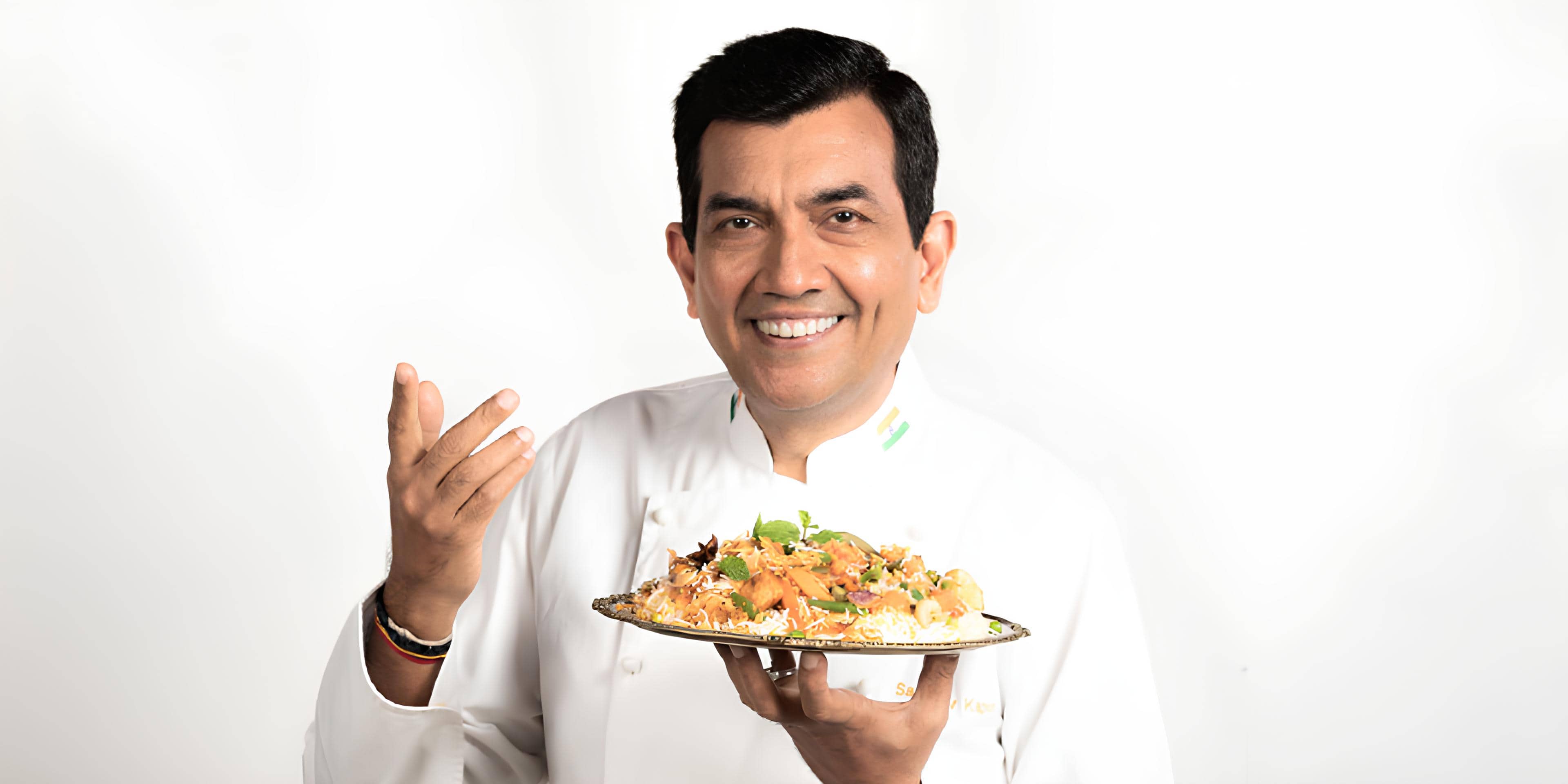
Long before three-star Indian menus in Dubai, Sanjeev Kapoor had changed the country’s relationship with cooking. Khana Khazana turned him into India’s first true television chef, carrying restaurant-style dishes, regional staples and kitchen confidence into homes across the country. The show reached audiences across many markets and gave Indian cooking a friendly, aspirational public face.
Kapoor made the chef visible. Until then, many hotel chefs remained hidden behind swinging doors. He spoke directly, taught patiently and made viewers feel that technique belonged in everyday kitchens as much as grand hotels. His tone mattered. It reduced fear around recipes, yet kept aspiration alive.
His career expanded far beyond television. After hotel kitchen training and a young executive chef role at Centaur Juhu in Mumbai, he opened Khazana in Dubai in 1998. That restaurant gave many Gulf diners a polished Indian table with familiar warmth. Books, the FoodFood channel, Wonderchef products and The Yellow Chilli followed, building one of India’s most recognisable culinary empires.
Kapoor’s place in this story is foundational. He helped make Indian chefs public figures, educators, entrepreneurs and ambassadors. Without that cultural shift, the later fine dining confidence of Indian cuisine would have had a smaller audience.
Vikas Khanna And The New York Moment

If Kapoor entered living rooms, Vikas Khanna entered America’s fine dining conversation. Raised in Amritsar, trained in Indian hotel kitchens, and later based in New York, he worked through difficult early years before becoming executive chef at Junoon in Manhattan. Under his leadership, Junoon earned a Michelin star, giving Indian cuisine a sharper presence in one of the world’s most watched restaurant cities.
Khanna’s appeal has always extended beyond a plate. He carries the polish of a chef, the reach of an author, the instinct of a filmmaker and the warmth of a humanitarian. His Holy Kitchens documentary series explored spiritual food traditions. His cookbooks, television appearances and MasterChef India role expanded his public voice. His relief work and support for social causes gave that visibility a moral texture.
For American diners, Khanna made Indian cuisine feel refined, personal and emotionally rich. He brought Amritsar memory into New York dining without flattening either place. That mattered. Indian food in the United States had often been boxed into buffet comfort and neighbourhood favourites. Junoon proved that Indian flavours could stand inside a high-end dining room with confidence, service and ambition.
His career made Indian cuisine more legible for global audiences seeking craft, story and grace in one meal.
How Travellers Read The Menu
The shift matters because luxury travel is increasingly planned around meaning as much as comfort. A reservation can now sit beside a suite booking, a spa ritual, a gallery visit and a private city walk as the central event of a journey. Indian cuisine fits this new pattern well, because it carries memory, ritual, migration, faith, craft and season in every course.
A tasting menu also gives regional India a clear frame. Diners may know butter chicken, biryani and dosa, yet remain unfamiliar with Garhwal, Malvan, Sindh, Bohra kitchens, Nizami banquets, Thar ingredients, Deccan spice routes and coastal ferments. A chef-led dinner can make those worlds readable without turning the meal into a lesson. That balance is delicate. The best rooms manage it with warmth.
Hotels gain as well. A serious Indian restaurant strengthens the larger destination. It lengthens a stay, adds cultural depth and gives affluent guests a reason for another night in the city. A meal becomes memory, content, conversation and status, all at once. For Indian cuisine, this is a rare moment: global curiosity and local confidence are meeting at the same table.
The New Indian Table
Seen together, these stories reveal a cuisine with new power in global luxury travel. Indian food now occupies three-star rooms, two-star houses, Mayfair dining rooms, Singapore bungalows, Bangkok villas, Dubai rooftops, Delhi hotels, Mumbai counters and Hyderabad palaces. The geography is wide. The mood changes city by city. The confidence is shared.
For travellers, the rhythm has altered. Dubai offers theatre, precision and a rooftop journey across Indian regions at Trèsind Studio. Bangkok gives Indian technique a tropical, Thai-inflected voice at Gaa, with modernist energy elsewhere. London and Geneva supply history through Kochhar and Bhatia. Singapore adds colonial elegance and Southeast Asian memory. New York carries Khanna’s American chapter. Delhi brings Mehrotra’s second act at Nisaba, plus Indian Accent and Dhilli. Mumbai, Hyderabad and Goa add their own versions of polish, heritage and coastal ease.
The journey is now circular. Chefs who built reputations abroad shape menus back in India. Hotel kitchens study global expectations. Travellers who eat Indian food overseas arrive in India seeking roots with equal sophistication.
The new Indian table is spice-led, regionally alert and visually sharp. It suits white linen, private rooms, palace terraces and tasting counters. It tells stories of Malabar tides, Thar dust, Amritsar warmth and Chandni Chowk lanes through dinner, and that may be its greatest strength.
Read more – Food Voyager