

Beauty travel is already in gear and moving fast into landscapes of scent, bloom, botanicals, thermal waters and edible rituals
Beauty travel has acquired a new passport stamp. It is no longer limited to the polished environs of a spa suite but is an extension of the self. It has acquired a more expressive, more personal tone and is far more rooted in place. Travellers are following fragrance trails through flower-growing regions, bathing in mineral-rich thermals, seeking out old herbal traditions, wandering through wildflower belts and discovering how local food cultures shape beauty and wellness in ways that feel instinctive rather than prescribed.
What makes this shift so fascinating is that it aligns perfectly with the way travel itself is changing. We all want journeys of discovery. We want to find places that create a sense of awe, reveal a rarity of nature and feel more intimate. We want to return with more than selfies and reels. Here is where it all plays out…discovering a scent memory, a skin ritual, a food habit, a slower rhythm, a regional secret. In this sense, beauty has become one of the most compelling new ways to read a destination. It is not merely about looking better. It is about feeling in tune with who and where you are.
And India, with its vast sensory inheritance, sits beautifully within this new travel story. India has always understood beauty as something layered through flowers, oils, herbs, food, weather and ritual. What is changing now is the way these traditions can be curated as part of a conscious travel route, one that feels all-new, luxurious and deeply rooted all at once.
Mapping the fragrance route
The first destination in the new beauty routes begins, quite naturally, with scent. Fragrance is one of the most intimate souvenirs of travel because it clings to memory with startling ease. Memories of a place can return years later through a single trace of jasmine, vetiver, rose, or orange blossom.
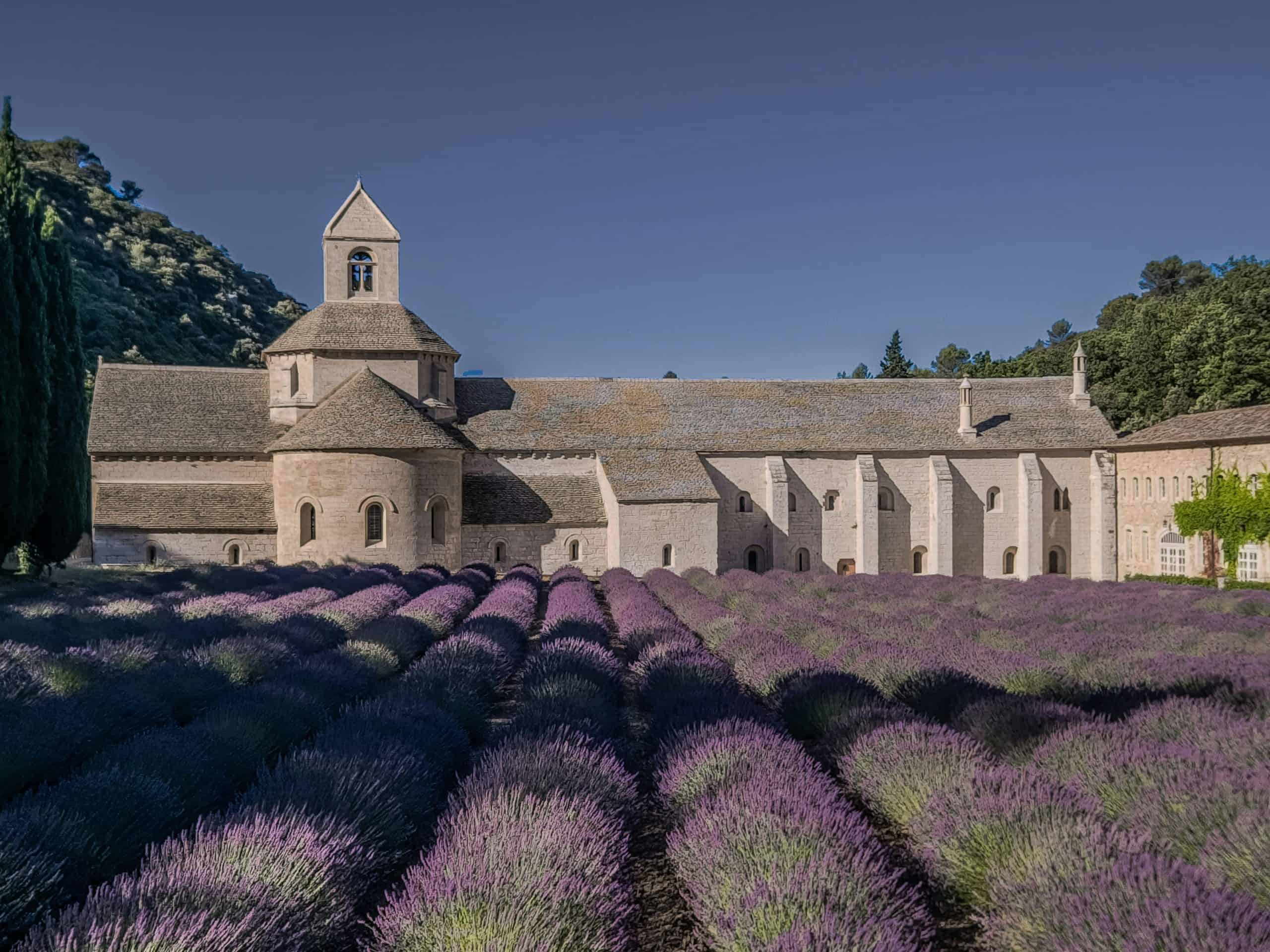
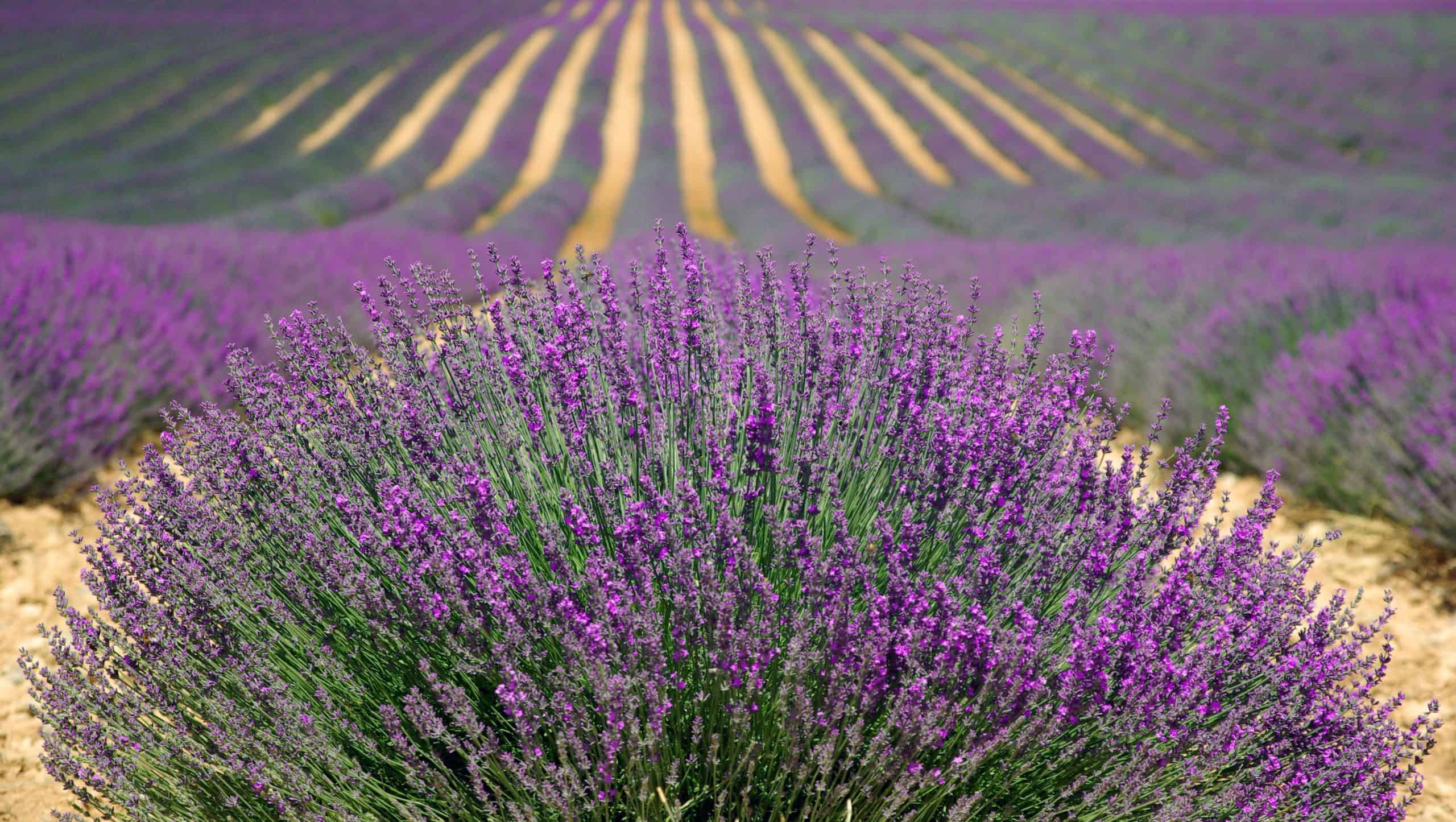
Grasse in southern France is celebrated as the grande dame of the world. It is a destination that converts perfume into pilgrimage. Here, fragrance is not an accessory but an entire cultural landscape shaped by flower fields, ateliers, old techniques and the drama of composition. Travellers can spend days moving through perfume houses, museums and gardens, learning that the journey of scent begins long before it arrives in a crystal bottle.
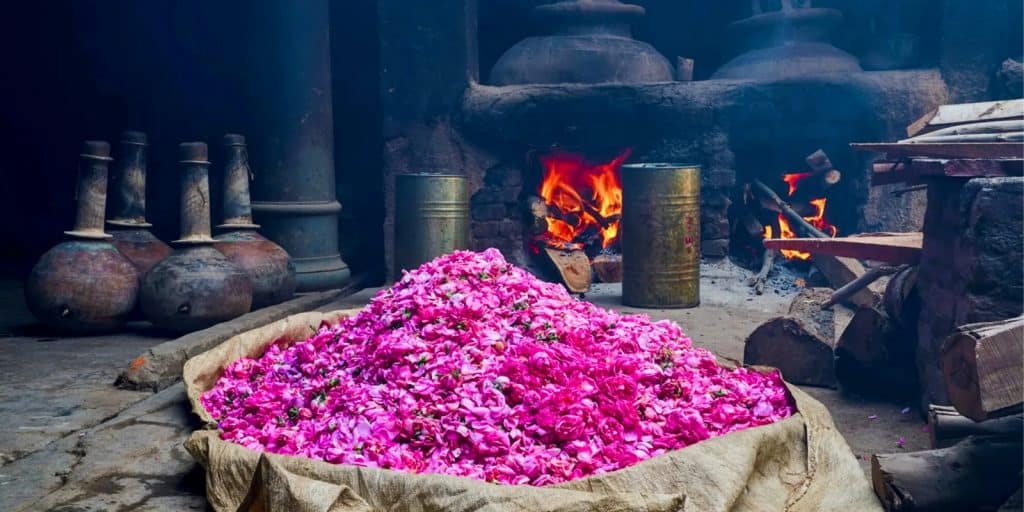
Here in India, there are fragrance routes that feel every bit as evocative, and in some ways more textured. Kannauj in Uttar Pradesh is the country’s great attar town, where traditional distillation blends the lingering romance of earth, rose, kewra and oud. This is not a contemporary fragrance for retail.
These notes are older, moodier and steeped in craft. In Tamil Nadu, Madurai’s jasmine culture gives scent a softer, everyday poetry, while in Kashmir, saffron fields and rose notes create a different kind of floral richness. Together, these destinations reveal to the world how deeply India understands fragrance as atmosphere, devotion and wellness rather than just adornment.
Botanical beauty, rooted in destinations
Some destinations feel as though they were designed to remind travellers that beauty begins in the plant world. Leaves, roots, petals, bark and seeds have moved from ingredient labels into the centre of the travel imagination, and rightly so. Botanical beauty is relevant today because it promises a researched, grounded and sensorial experience.
Martinique offers one version of this, lush and tropical, where gardens and flamboyant foliage create a sense of being wrapped in a living apothecary. Such a setting offers a wellness experience defined by the calming aura of the greens, fresh air that carries the scent of the trees and the gentle shade that invites you to walk and gently exist among them. Japan’s Izu Oshima offers another, refined and ingredient-specific, built around the aroma of camellia oil and its use in skincare and daily life. Camellia oil is specifically known for its moisturising, softening, antioxidant and anti-inflammatory benefits, owing to its Vitamin E and polyphenol content.
India’s botanical routes are richer still because they rarely sit apart from culture. Kerala, of course, is one of the strongest beauty geographies in the country, with coconut, hibiscus, aloe, vetiver, sandalwood and medicinal herbs appearing across oils, recipes and wellness treatments.
Coconut oil’s moisturising and nourishing effects on the skin need no introduction. Aloe vera soothes irritated and tired skin, and vetiver is prized for its calming, cooling and aromatic qualities, often associated with relaxation and sensory balance. Kerala’s medicinal herbs carry the deeper wisdom of Ayurveda and local healing traditions, where plants are woven into oils, decoctions, treatments and daily rituals for wellness, restoration and gentle beauty.
In the Nilgiris, eucalyptus, tea, native blooms and mountain air create a cooler botanical travel story, less tropical, more aromatic and equally restorative. Uttarakhand, with its forests, herbs and high-altitude flora, offers a more rugged landscape, where plants have a tradition of healing and pilgrimage. These are destinations where beauty comes naturally. Here, it does not feel constructed. It feels gathered.
Thermal waters that soften, steam and restore
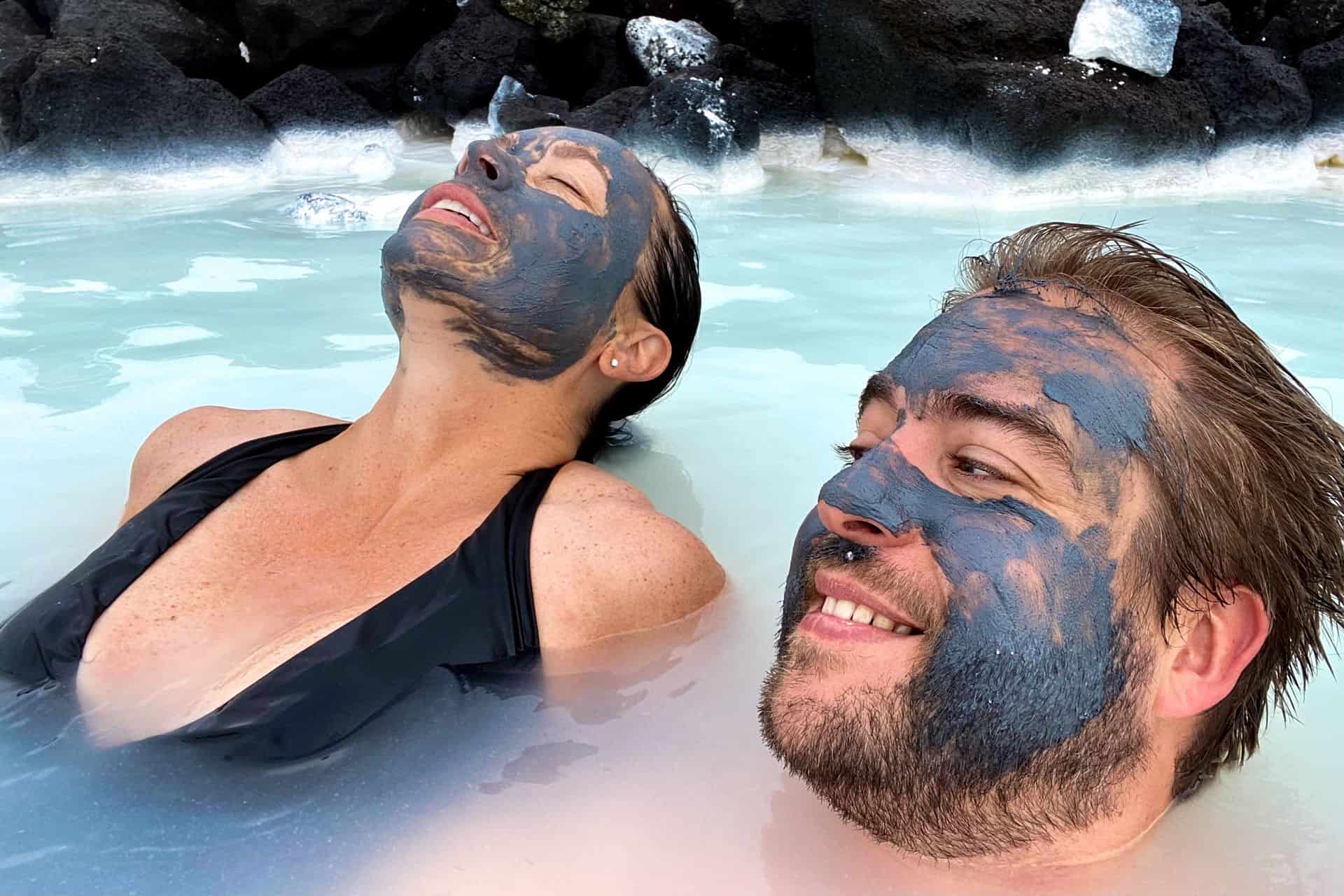
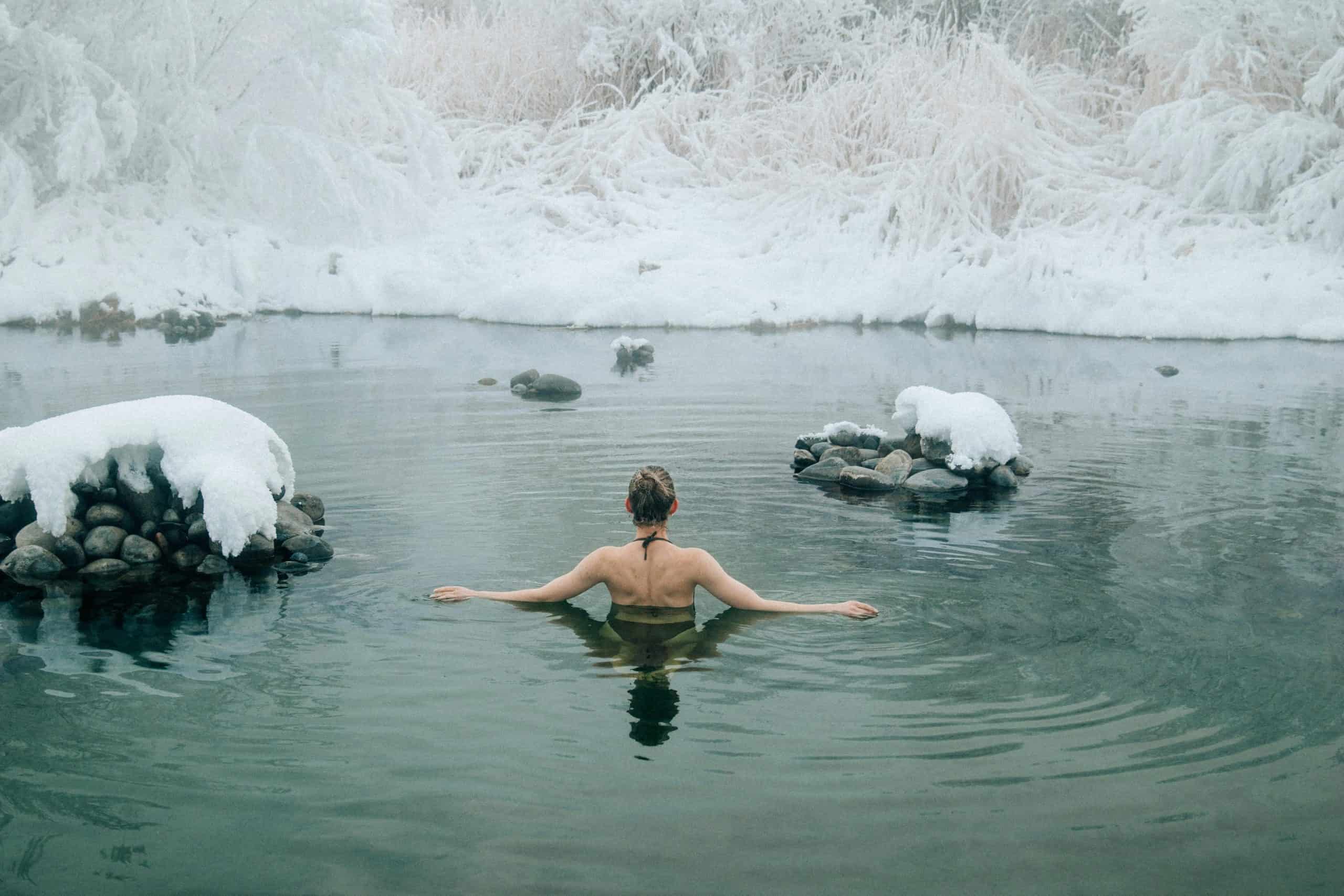
No beauty route feels quite as elemental as one shaped by water. Thermal and mineral-rich bathing cultures are enjoying a fresh allure because they strip the ritual down to its most essential pleasures: immersion, heat, minerals, stillness and time.
Iceland has become the global poster child for this mood, with its steamy, surreal waters set against black lava and glistening sky. Austria’s thermal regions bring a greener version, where warm pools and verdant countryside create a different rhythm of renewal. Italy adds romance to its beauty travel portfolio, folding thermal waters into landscapes of vineyards, cypress roads and romantic old stone villages.
India’s thermal stories may not be globally branded, yet they hold their own fascination. Manikaran in Himachal Pradesh, offers hot springs in a dramatic mountain setting, together with pilgrimage, geology and wellbeing in a way only India can. Vashisht, near Manali, offers another Himalayan thermal travel pause, where warm waters and crisp air make the immersion memorable.
Bakreshwar in West Bengal carries an old-world energy, while the hot springs of Sikkim and Ladakh introduce beauty trails nestled in altitude, remoteness and magical landscapes. These travel destinations may not always come dressed in designer spa robes, but they offer something more tangible: beauty through immersion in a place that feels wonderfully ancient and alive.
The heat can help relax tight muscles, ease stiffness and support circulation, making hot springs especially appealing after mountain journeys, long walks or demanding travel days. It is also linked with stress reduction, mood support and better sleep preparation, as the body gradually cools after immersion and moves into a calmer rhythm. Mineral-rich waters, often discussed under balneotherapy, have been studied for their supportive role in pain relief, joint comfort, fatigue and quality of life, though they are best seen as complementary wellness rather than medical treatment.
Herbal wisdom – Nature’s cabinet
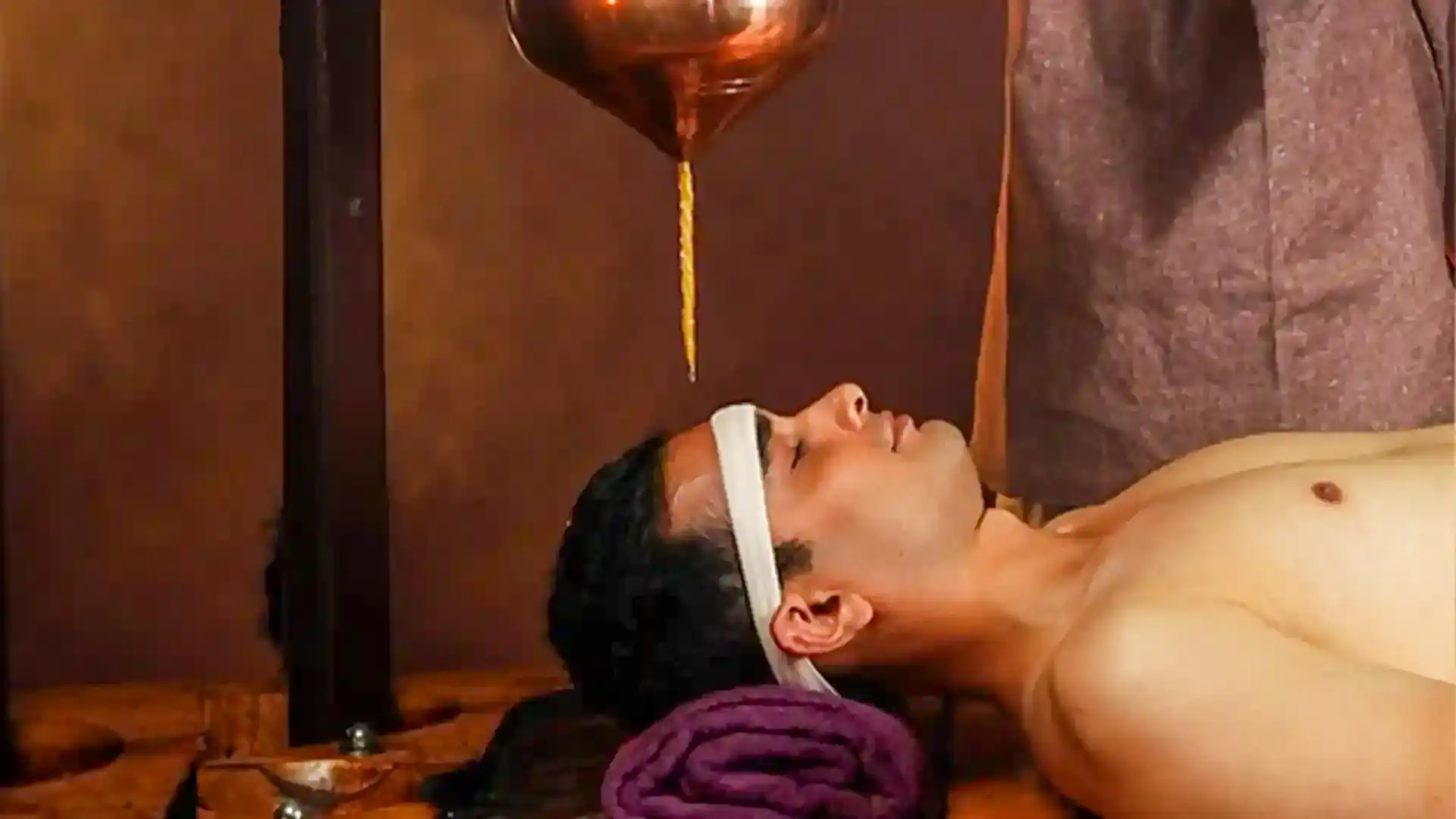
If beauty travel has a soul, it may well lie in ancient herbal traditions. This is where beauty travel goes beyond trend and into inheritance, into traditional systems of care that have stood the test of time and therefore feel all the more precious now.
Kerala naturally leads this route. Ayurveda is not reduced to an oil massage or a food preparation on a resort menu. It is a complete pathway of thinking – about how to balance body, digestion, rest and renewal. The monsoon makes the travel experience especially seductive. Rain drops on palm fronds, warm oil therapies, therapeutic medicinal herbs, smoky aromas and slow, delicious meals create a mood that is sensuous and deeply restorative.
Yet India’s herbal beauty map extends much further. In Uttarakhand, local herb traditions and mountain wellness increasingly attract travellers looking for nature’s best. In Coorg, pepper, coffee, wild honey and forest botanicals shape an earthy sense of wellbeing.
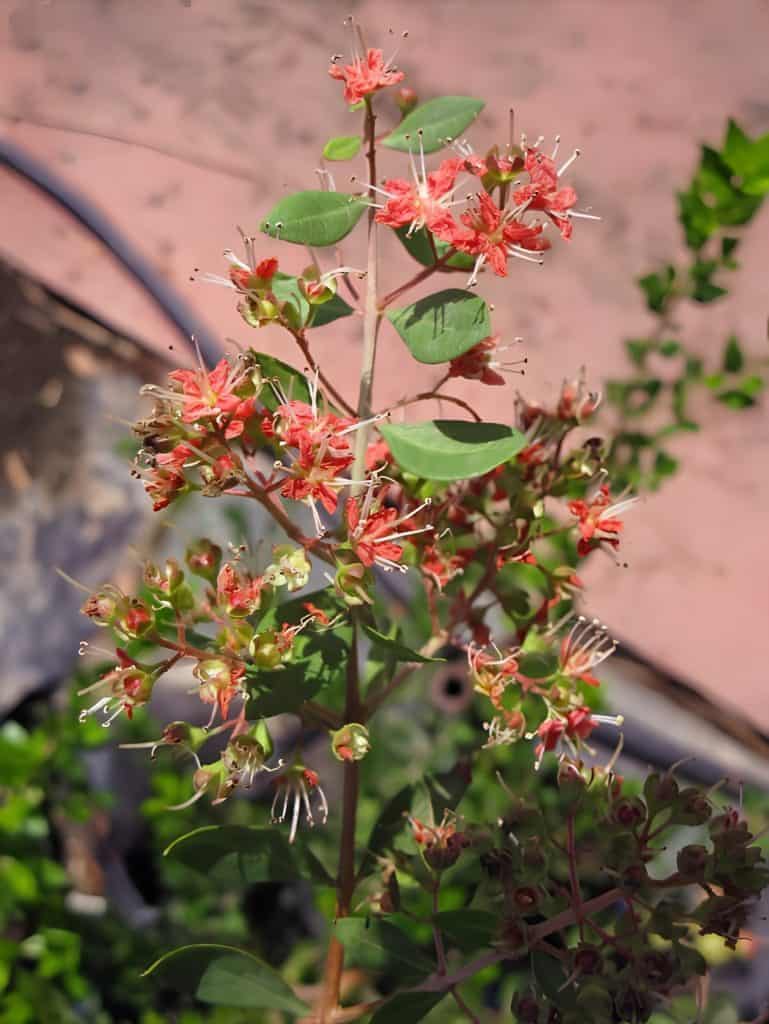
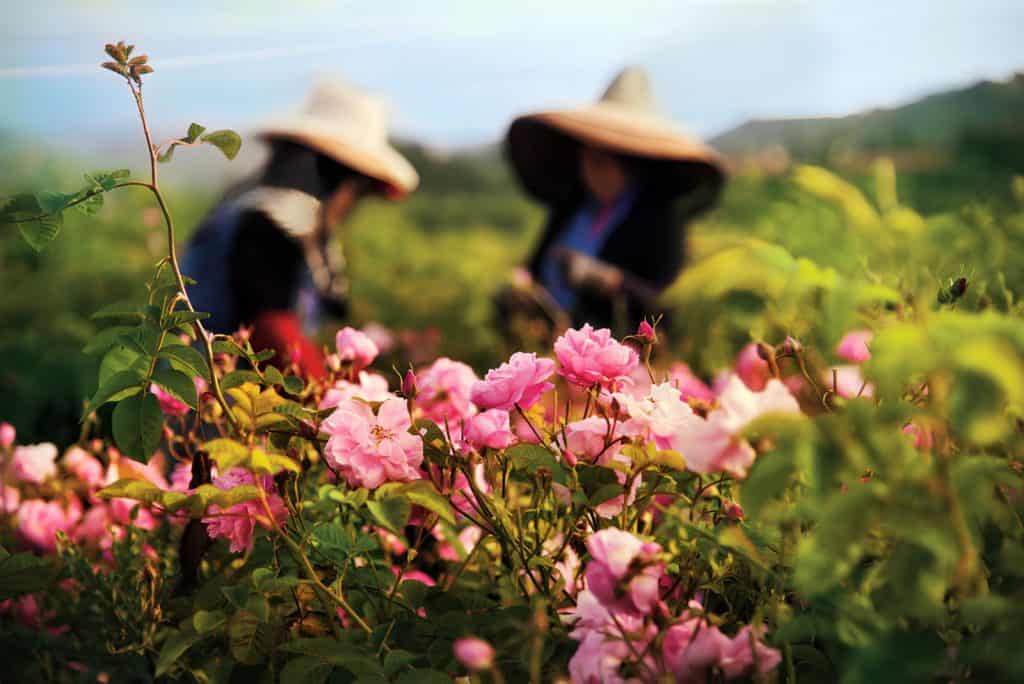
In Rajasthan, rose water, henna, saffron and desert botanicals carry a royal beauty language of their own. Across the Northeast, too, plant knowledge continues to shape food, healing and daily ritual in ways that deserve far more attention in luxury travel conversations. India’s gift here is abundance, but also continuity. Herbal beauty is not being revived. In many places, it never truly left.
Rose water, henna, and saffron are all known for their anti-inflammatory and antioxidant activity, and their use has been backed up by research. In Uttarakhand, buransh, or rhododendron, gives mountain wellness a vivid seasonal identity, appearing in flower juices, local drinks and wellness products valued for their refreshing anti-inflammatory uses, while the region’s wider Himalayan herb culture adds another layer through decoctions, oils, folk remedies and wellness treatments used by local communities for concerns such as skin disorders, asthma and diabetes. Black pepper is linked to antioxidant, anti-inflammatory and bioavailability-supporting properties, making it a natural fit for food-led wellness, digestion and vitality.
Chasing bloom across landscapes
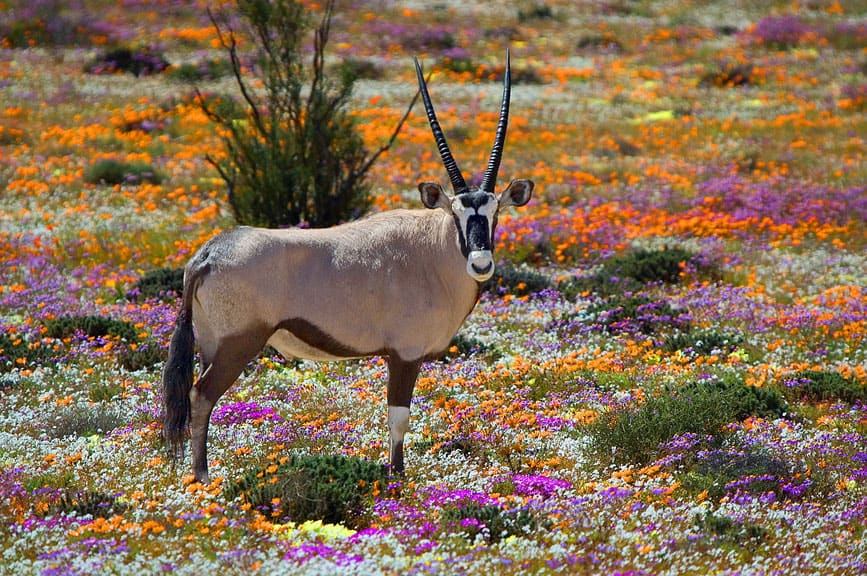
Few kinds of travel feel more joyous than planning a journey around flowers. Wildflower routes capture something important about the current mood in travel: a desire for seasonality, colour, emotional uplift and fleeting wonder.
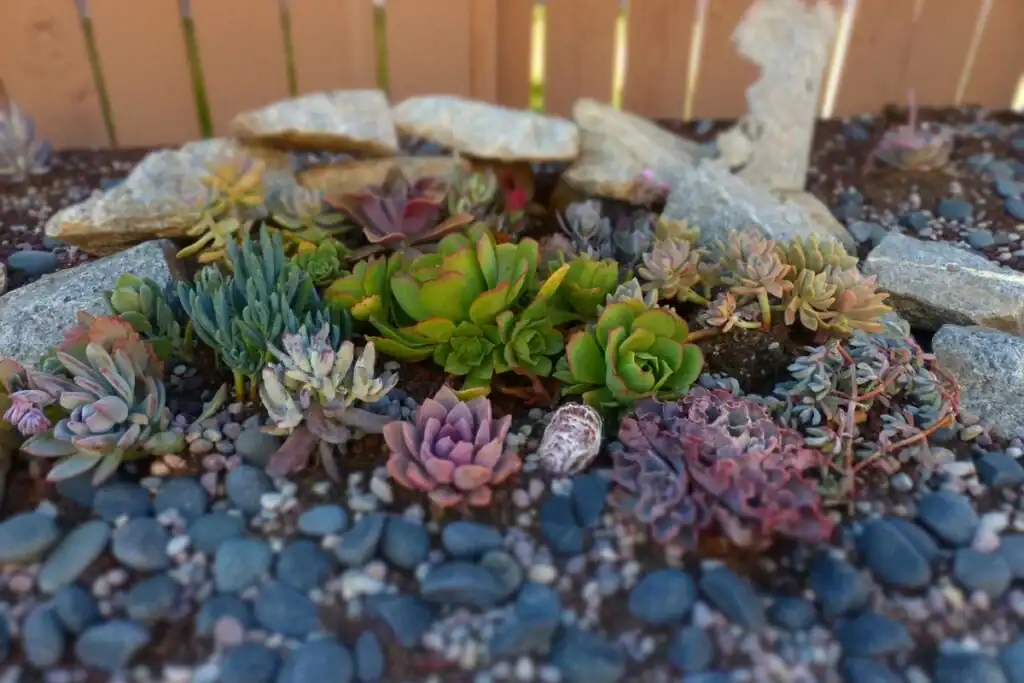
Western Australia stages one of the grandest floral spectacles on the planet, with wildflower trails that unfurl like a natural art installation across astonishing distances. South Africa’s Namaqualand offers another unforgettable bloom season, proving that even austere landscapes can erupt into brilliance.
India has its own extraordinary flower routes, though they are often discussed more as trekking or nature experiences than as beauty journeys. The Valley of Flowers in Uttarakhand is the obvious star, where alpine meadows bloom with a kind of fragile magnificence that feels surreal. Kaas Plateau in Maharashtra offers a very different floral mood, lower in altitude but equally enchanting during the monsoon months, when the plateau bursts into brief, vivid life.
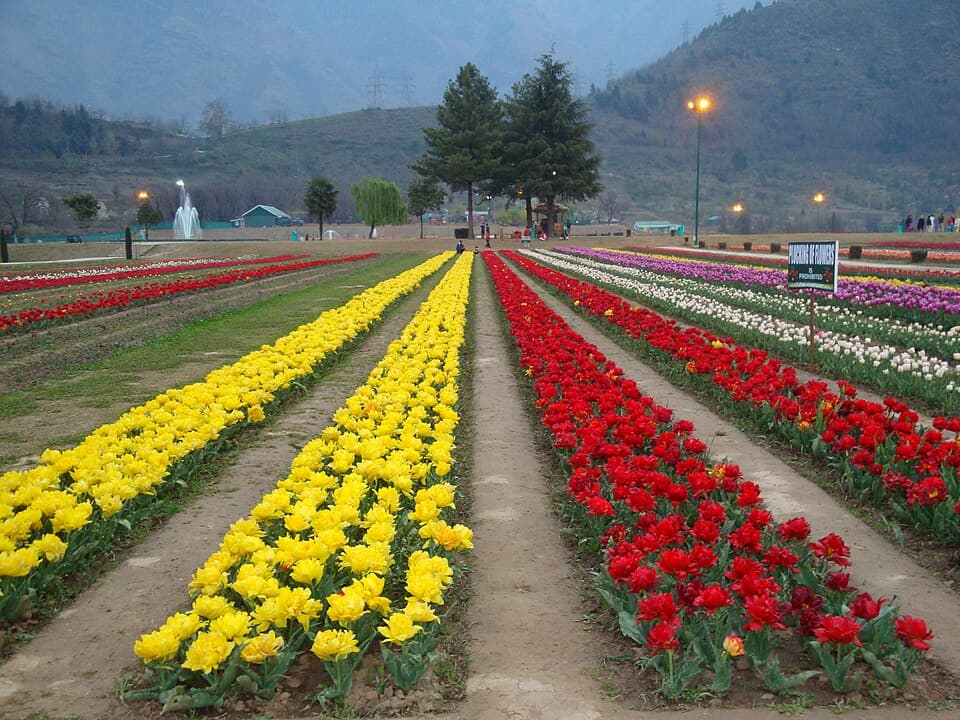
Srinagar in Kashmir offers a riot of colours in the tulip gardens that not only awe in their spectaular blooms but also ensure its place in beauty therapies on account of its antioxidant, hydrating, and collagen-boosting properties.
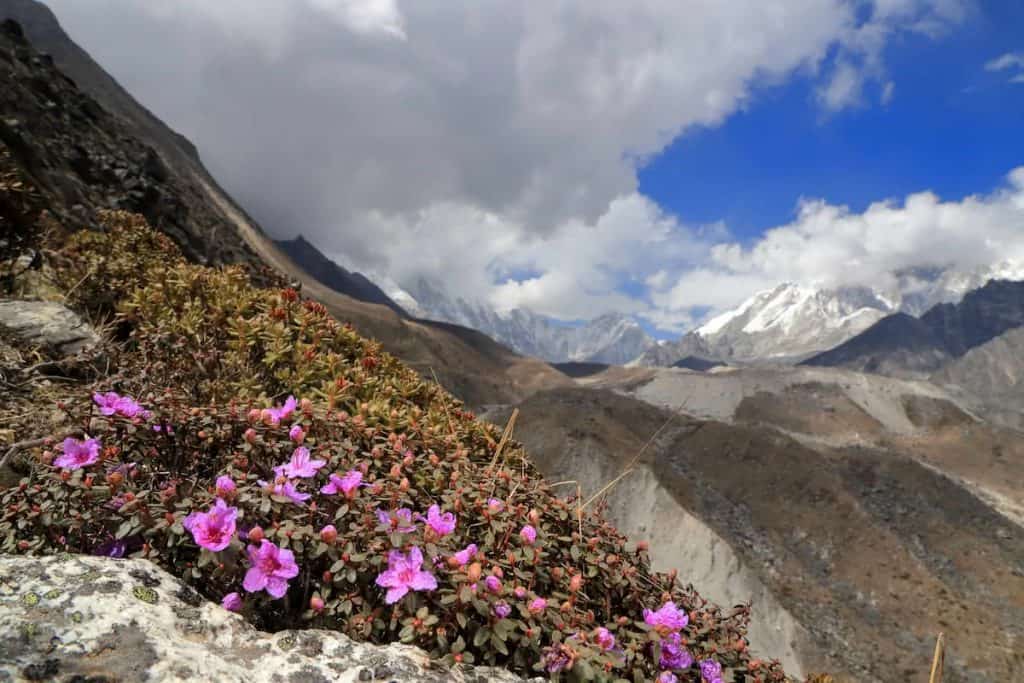
In Sikkim and Arunachal Pradesh, the rhododendron country creates a seasonal dream, especially for travellers who enjoy flower routes with mountain drama and cultural depth. These are journeys where beauty is not groomed or arranged. It arrives in its own time and asks only that one show up for it.
Eating on the beauty route
One of the most delicious developments in this travel space is the growing overlap between beauty, wellness and food. Nature-based diets, herbal beverages, ingredient-led cuisine and fresh local produce are now part of the same conversation as glow, vitality and self-care. It makes perfect sense. Some of the most intriguing beauty rituals have always begun at the dinner table.
Japan’s yuzu routes in Kochi show how a single ingredient can shape a whole sensory identity, appearing in groves, kitchens, baths and local products with astonishing freshness. Puglia in southern Italy does something similar through olive oil, spilling onto food, landscape and body ritual with warm Mediterranean ease.
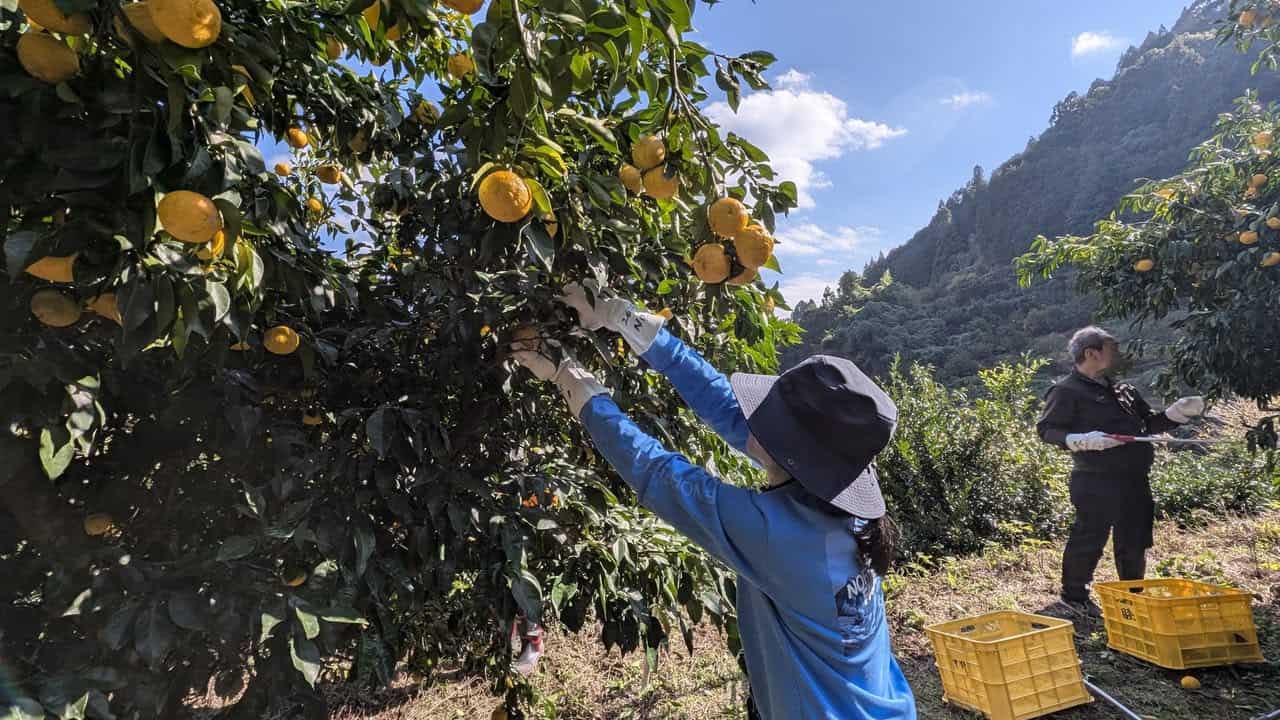
India may be even more naturally suited to this edible beauty map. Kashmir offers saffron, walnuts, apricots and roses in a landscape that already feels perfumed. Coorg folds coffee, pepper, oranges and forest honey into a luxurious food culture.
Even Goa enters the beauty route with coconut, kokum, cashew fruit and sea air, bringing a playful, sun-washed version of beauty through food. These destinations understand something important: radiance is sometimes cooked, brewed, infused and shared.
Beauty, but make it mine
What ties all these routes together is individuality. Beauty travel is compelling because it allows travellers to choose their own language of renewal. This is why new beauty routes offer an appeal that lies in depth, specificity and feeling. They invite travellers to move through the world with more attention, noticing how a place smells after rain, what grows there naturally, how its women have cared for skin and hair for generations, what oils are used, what flowers are offered, what ingredients people trust, what food nourishes both body and mood.
Kerala’s beauty pantry reads like a wellness manifesto written by nature itself: coconut, curry leaves, banana flower, jackfruit, moringa, spices and medicinal infusions. In Himachal and Uttarakhand, orchard fruit, herbal teas and mountain honey create a simpler but no less compelling route.
India, perhaps more than most destinations, is ready for this reframing. Its beauty routes are already here in attar towns, Ayurveda retreats, flower valleys, herb-rich hills, thermal springs, spice coasts and orchard belts. They only need to be read differently: not as scattered experiences, but as a beautiful new map of travel itself.
And that may be the future of beauty tourism. Not beauty as correction. Beauty as place, pleasure and self-expression. Beauty as something absorbed slowly, through water, weather, plants, fragrance, food and memory. Beauty, in other words, is to be absorbed as a journey.
Read more – Discover Your India