

From Kaiseki restraint to Alinea’s spectacle and India’s sensory abundance, food plating has become one of cuisine’s most expressive arts
Kamal Gill
“The room stills for a second,
Steam rises like a secret,
Taste turns the silence golden,
Memory refuses to clear the table ”
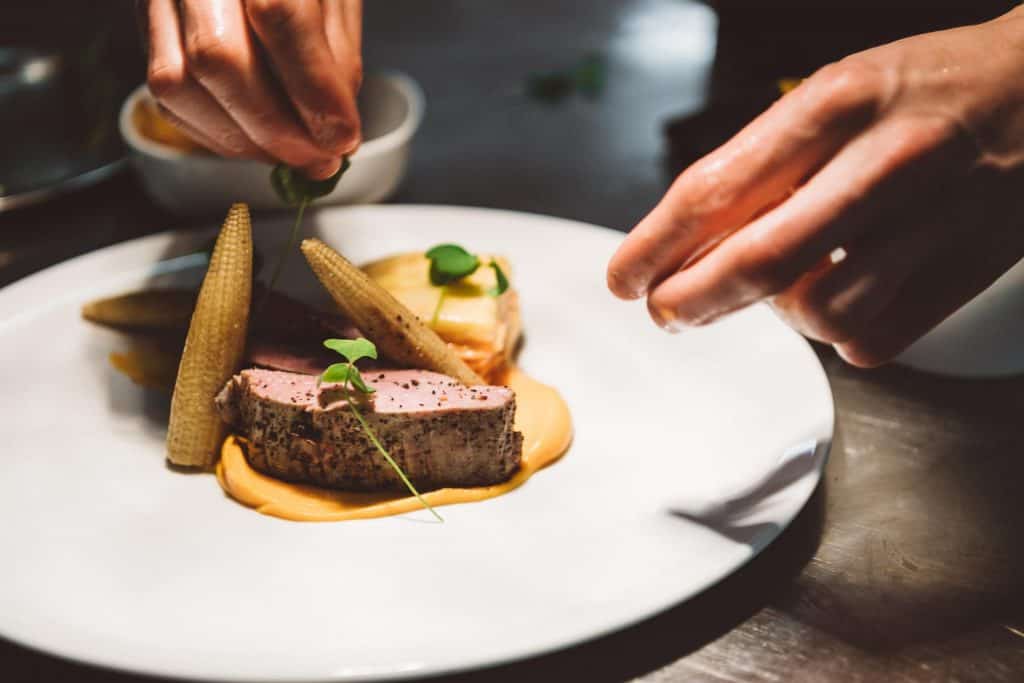
We feel the pull of a beautifully presented dish before we know why. It is art because food is alive until it is eaten. It melts, wilts, cracks, leaks, cools, sets, collapses, perfumes, stains and steams. A chef is always racing time, working against heat, air, moisture, gravity and appetite. A perfect plate is therefore never still. It is a brief, beautiful performance held together for a few charged seconds before the fork breaks the spell. Presentation is an art because food is alive until it is eaten. It melts, wilts, cracks, leaks, cools, sets, collapses, perfumes, stains and steams. The chef is always racing against time.
And so, there is almost always a moment at a table when conversation instinctively lowers. A plate is placed. A cloche lifts. A ribbon of smoke escapes. Sauce catches the light. A shard of crisp pastry leans at a dangerous angle. The aroma rises, rich or sharp or earthy, and the diner pauses.
That pause is everything.
It is the space between hunger and surrender. Between appetite and memory. Between the chef’s hand and the diner’s imagination. It is also the moment where food presentation proves its power. A dish may be built in the kitchen, but it truly begins at the table, where the eye takes the first bite, the nose deepens the promise, and the palate arrives almost late to the party.
Food presentation, at its finest, is not decoration. It is theatre, science, emotion and discipline arranged on porcelain, clay, leaf, stone, metal or wood. It decides what the diner sees first, what remains hidden, what must be broken, lifted, poured, cracked, dipped, inhaled or shared. It can make a meal feel intimate, playful, ancestral, futuristic or quietly devastating.
Every great chef knows this. A dish has posture. It has rhythm. It has a front door.
The First Seduction Is Sight
The phrase “we eat with our eyes” is often served lightly, as though it belongs to a culinary quote wall. In reality, the eye is a ruthless critic. It scans freshness, temperature, texture, generosity and intent within seconds.
A glossy sauce suggests depth. A charred edge signals fire. A clean broth implies precision. A trembling custard promises silk. A jagged crumble offers contrast. A perfect quenelle whispers control. A heap of food can feel comforting. A sparse plate can feel expensive. A shining glaze can suggest indulgence before the spoon has moved.
Colour is one of the oldest seductions at the table. Green wakes up the idea of freshness. Red carries ripeness, spice and appetite. Gold suggests luxury, warmth and roasting. White brings calm. Black adds danger and drama. A dish of beetroot, goat cheese and herbs speaks visually before it speaks gastronomically. So does a saffron risotto, a charcoal-grilled kebab, a pearl-white idli with emerald chutney, a ruby ceviche, a mango dessert glazed like sunset.
Yet chefs will tell you that beauty without logic is weak. A garnish that does not belong is vanity. A flower without flavour is a costume. A sauce smear without purpose is old theatre trying too hard. The modern plate has become more intelligent. It must look beautiful, yes, but it must also explain itself.
Aroma: The First Whisper of Flavour
If the eye sets the stage, aroma brings the drama.
The scent of food enters the body before taste. It is immediate, private and almost impossible to resist. Ghee blooming with cumin. Curry leaves crackling in hot oil. Butter foaming around sage. Wood smoke around lamb. Fresh basil torn at the last second. Truffle shaved thin enough to disappear. Charcoal, citrus, garlic, saffron, cinnamon, coffee, caramel, seaweed, pepper, toasted bread.
Aroma has no patience. It arrives and demands memory.
This is why a biryani is most powerful when opened in front of the diner. The first breath carries rice, meat, spice, steam and suspense. It is why a sizzling platter still works in every corner of the world. Sound and smoke prepare the appetite before the fork arrives. It is why ramen, pho, rasam, yakhni and consommé are as much about rising vapour as taste. A great broth does not merely sit in a bowl. It breathes.
The cloche, often dismissed as old-fashioned drama, remains one of dining’s most effective devices because it controls fragrance. Lift it too early and the moment is lost. Lift it at the table, and the diner receives the dish as revelation. Chefs understand that aroma is not a supporting act. It is architecture. It gives flavour its ceiling, its walls, its atmosphere.
A plate can be beautiful in silence. Aroma gives it a voice.
The Plate as a Stage
Across the world, great chefs use presentation to create a signature as recognisable as handwriting. A dish by Grant Achatz at Alinea does not simply arrive. It performs. An edible balloon, a tabletop dessert, a course built around surprise: his food makes the diner aware of time, touch, air and anticipation. The plate, in his world, may not even be a plate. It may be the table. It may be the space above the table. It may be the diner’s own sense of disbelief.
Ferran Adrià at elBulli changes the very grammar of the plate. Foam, spheres, gels, airs and impossible textures turn familiar flavours into fleeting apparitions. An olive arrives as a liquid sphere. A soup vanishes into fragrance. A dish looks like a question before it becomes an answer. Adrià makes presentation intellectual, playful and almost dreamlike, asking the diner to forget the rules of form and trust the shock of sensation.
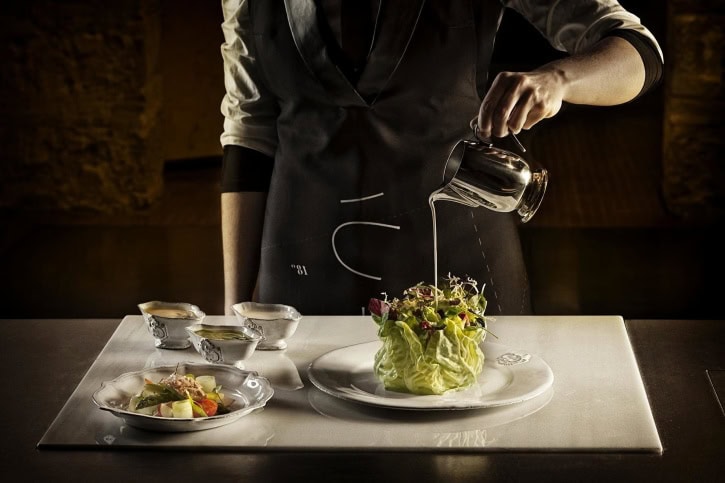
Heston Blumenthal at The Fat Duck brings memory, science and mischief to the table. His dishes often begin with recognition and end with surprise. A seafood course arrives with the sound of the sea. A dessert pulls childhood into fine dining. A plate carries nostalgia, chemistry and theatre in the same breath. Blumenthal’s genius lies in making the diner taste with the mind as much as the mouth.
Vikas Khanna brings another dimension to the global Indian plate. At Bungalow in New York, his plating carries memory with the polish of ceremony, never the noise of excess. A spice, a grain, a temple offering, a family table or a regional vessel can each become part of a visual story. His plates do not chase spectacle. They carry India with polish, warmth and emotional clarity, allowing memory to sit elegantly at the world table. His plates often feel quietly ritualistic. Spice becomes mood. Garnish becomes remembrance.
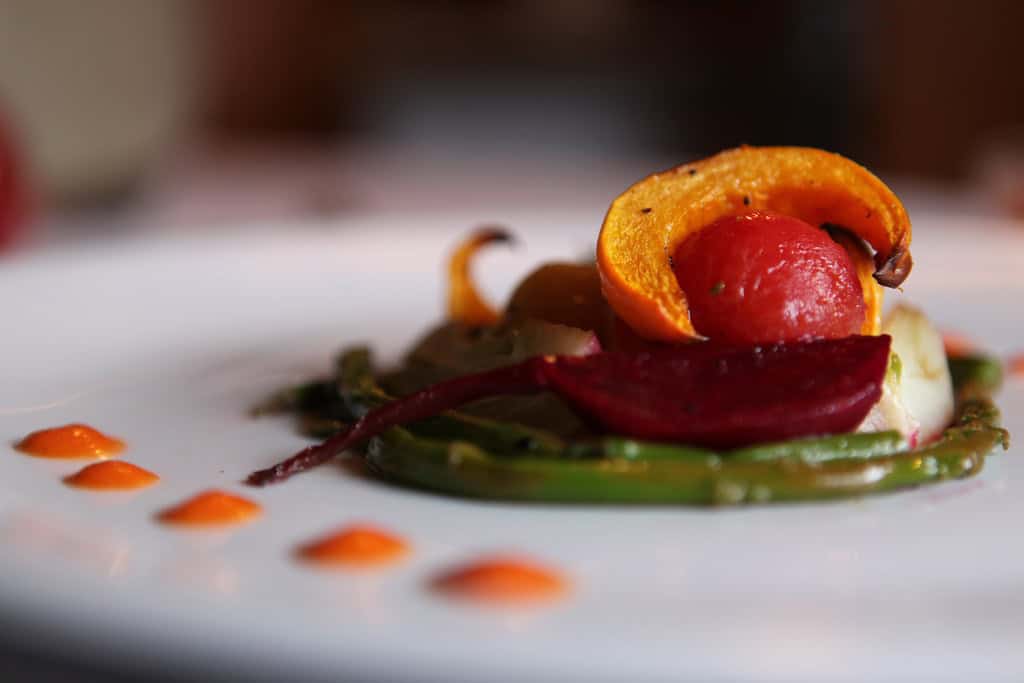
Alain Passard at Arpège brings a different kind of drama, quieter but deeply assured. His vegetable-led plates treat colour almost like music. Carrots, beets, tomatoes, herbs, petals and roots appear with painterly confidence, often arranged as though the garden itself has found composure. Nothing feels forced. The beauty comes from ripeness, restraint and the chef’s devotion to produce.
Virgilio Martínez at Central in Lima turns altitude into architecture. His plates move through Peru’s ecosystems, from sea level to the Andes and the Amazon, using tubers, herbs, grains, algae, cacao, flowers and wild textures as a vertical map of place. A dish at Central feels geological, botanical and cultural all at once. Presentation becomes terrain. The plate becomes a landscape with memory under its surface.
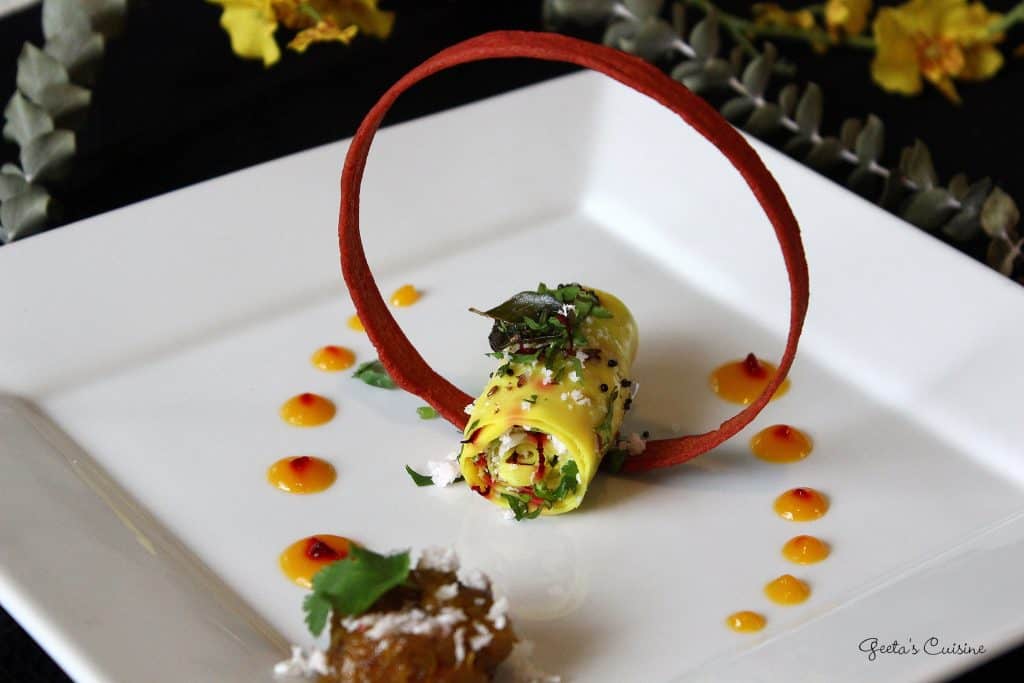
Vineet Bhatia gives modern Indian presentation an early global confidence. His plates move Indian fine dining into a sharper, more composed visual language, where spice, sauce, smoke and regional memory appear with polish and drama. The food carries elegance without losing warmth, proving that Indian flavours can command a fine-dining room with both grace and authority.
Joan Roca at El Celler de Can Roca works with elegance, emotion and technical grace. His food carries perfume, memory and precision in equal measure, with dishes shaped around smoke, wine, distillation, family stories and Catalan identity. The visual language is polished but never cold. A plate feels engineered and tender at the same time.
Garima Arora at Gaa in Bangkok works with precision, restraint and quiet force. Her plates often stand between two sensibilities, where Thai ingredients meet Indian technique, fermentation, fire and layered flavour. Nothing feels crowded. Nothing arrives without intent. The detail does the speaking, and the plate holds its tension beautifully.
René Redzepi’s Noma alters the global imagination by placing landscape at the centre of the dish. Moss, berries, wild herbs, roots, shells, ferments and Nordic weather enter the dining room. Beauty no longer means polish alone. It can be raw, foraged, intelligent, severe and deeply seasonal. Noma teaches chefs that a plate can look like a place.
Gaggan Anand brings another current to the table: irreverence, electricity, humour and rebellion. Progressive Indian dining under his hand becomes a spectacle of colour, texture, music, memory and surprise. His plates and menus play with emojis, nostalgia and pop culture, proving that presentation can also wink, tease and provoke.
The finest chefs do not plate food. They direct attention.
India’s Ancient Sense of Culinary Composition
India understood this long before tasting menus became theatre.
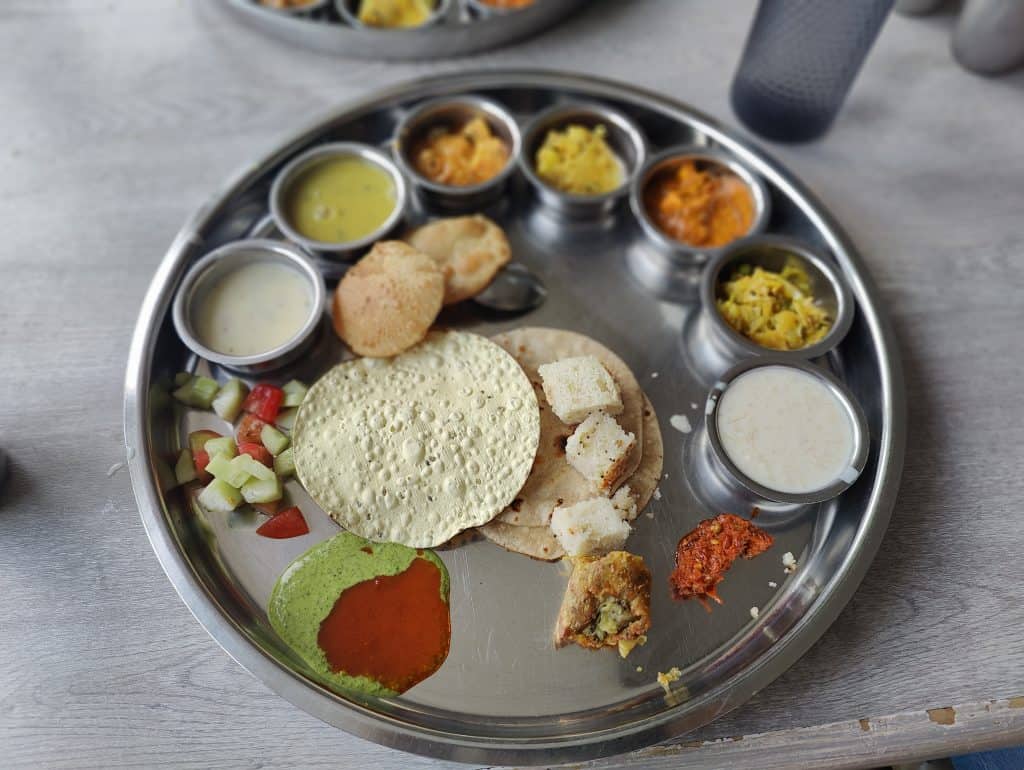
The thali is one of the world’s great design systems. It is circular, abundant and precise. Dal, rice, roti, sabzi, chutney, pickle, yoghurt, papad, sweet and curry do not merely fill space. They create movement. The hand travels across heat, comfort, acid, spice, crunch, softness and sweetness. Colour is not ornamental. It signals function. The thali is appetite-organised.
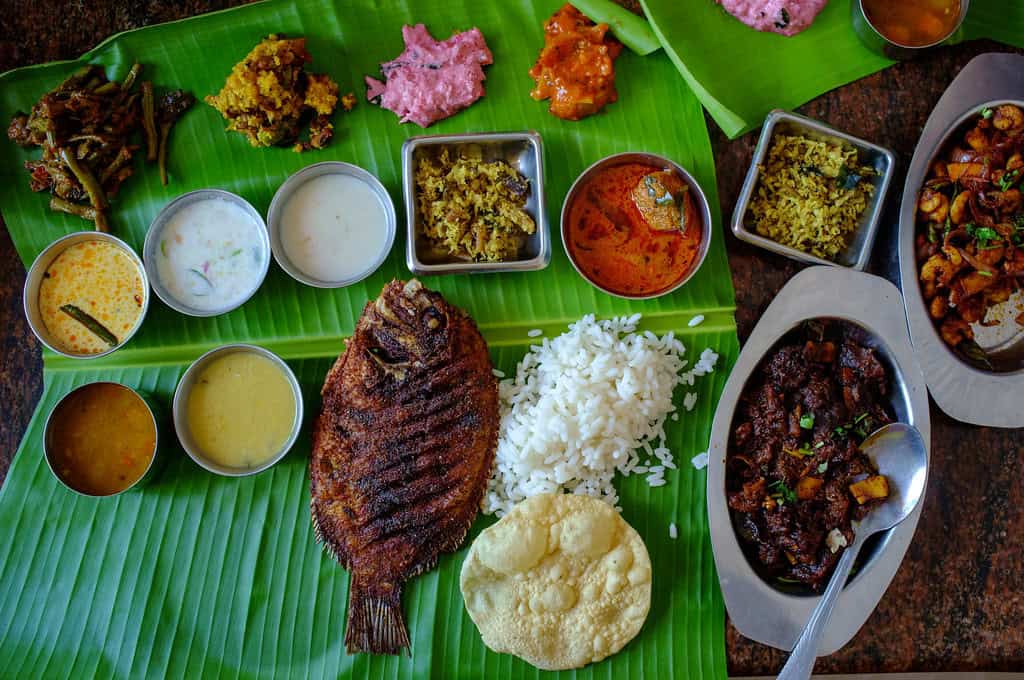
The banana leaf meal has its own grammar. Placement matters. Sequence matters. The leaf itself carries fragrance, symbolism and ecology. Chaat is a different kind of genius, a riot that knows exactly where it is going. Sev, yoghurt, chutney, spice, potato, pomegranate, coriander and crunch collide with thrilling discipline. Biryani hides its beauty until the lid lifts. Kebab relies on char and smoke. Mithai speaks through sheen, silver leaf, geometry, colour and generosity.
Indian food has never lacked visual drama. Its challenge in fine dining has been translation. How does one take the emotional power of a curry, the generosity of a thali, the chaos of chaat or the fragrance of dum cooking and place it in a contemporary dining room without stripping away its soul?
Manish Mehrotra helped answer that question with modern Indian cuisine that was witty, elegant and deeply rooted in memory. Familiar flavours appeared in unexpected forms, allowing the diner to recognise nostalgia while meeting it anew. Masque in Mumbai brought another answer, more restrained and ingredient-led, using Indian produce, seasonality and foraging to plate food that feel modern without losing their sense of land.
This is where the Indian presentation becomes especially exciting. It does not need to borrow beauty. It needs to sharpen its own.
The Science Beneath the Seduction
Behind every memorable plate is a set of practical decisions that would make any serious chef sit upright.
Crispness has a deadline. A tuile, papad, sev nest, tempura prawn, fried curry leaf, crackling skin or sugar shard begins losing itself the moment it meets moisture. The chef must protect texture through placement, timing and temperature. Sauce beneath may soften. Sauce, besides, may preserve. A garnish added at the pass may survive. A garnish added too early becomes regret.
Sauces have their own behaviour. A reduction must hold gloss. A curry must sit with authority. A foam must remain alive long enough to reach the diner. A split sauce may look luxurious when intentional and careless when not. Viscosity matters. Colour matters. The way a sauce travels across a plate affects how the diner reads generosity, richness and control.
Broths demand clarity. A cloudy consommé feels uncertain. A clean broth feels confident. In ramen, pho, rasam or yakhni, the surface matters as much as the depth. Oil droplets, herbs, sliced protein, noodles and vegetables must sit in a way that suggests calm rather than clutter.
Grilled dishes need exposure. Hide the char and half the pleasure disappears. The blackened blister on tandoori fish, the crust on a lamb chop, the seared edge of steak, the smoke-kissed corner of paneer tikka, these are not visual extras in your food. They are proof. They tell the diner that fire has done its work.
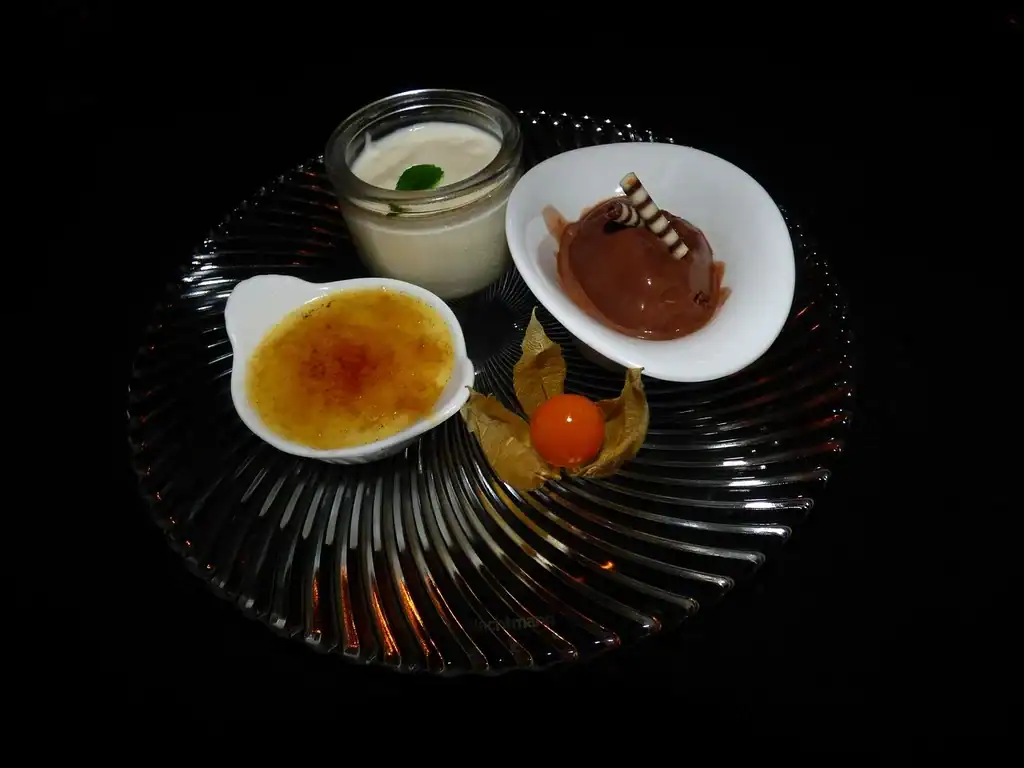
Desserts follow another code. They seduce through shine, height, fragility and contrast. A mirror glaze promises polish. A quenelle signals skill. A cracked caramel top invites violence. A molten centre creates suspense. Powdered sugar softens. Gold leaf declares the occasion. Fruit sharpens the eye. Chocolate darkens the mood.
Even the vessel changes the dish. A curry in a shallow white plate may look exposed. The same curry in a deep bowl can feel generous and fragrant. Sushi needs precision and space. Pasta needs movement. A steak needs confidence. A salad needs lift. A soup needs warmth. A tasting menu dish needs focus. A banquet dish needs endurance.
Kaiseki and the Power of Restraint
Among the world’s great traditions of food presentation, Japanese kaiseki remains one of the most refined. It teaches what many modern chefs spend years rediscovering: silence can be dramatic.
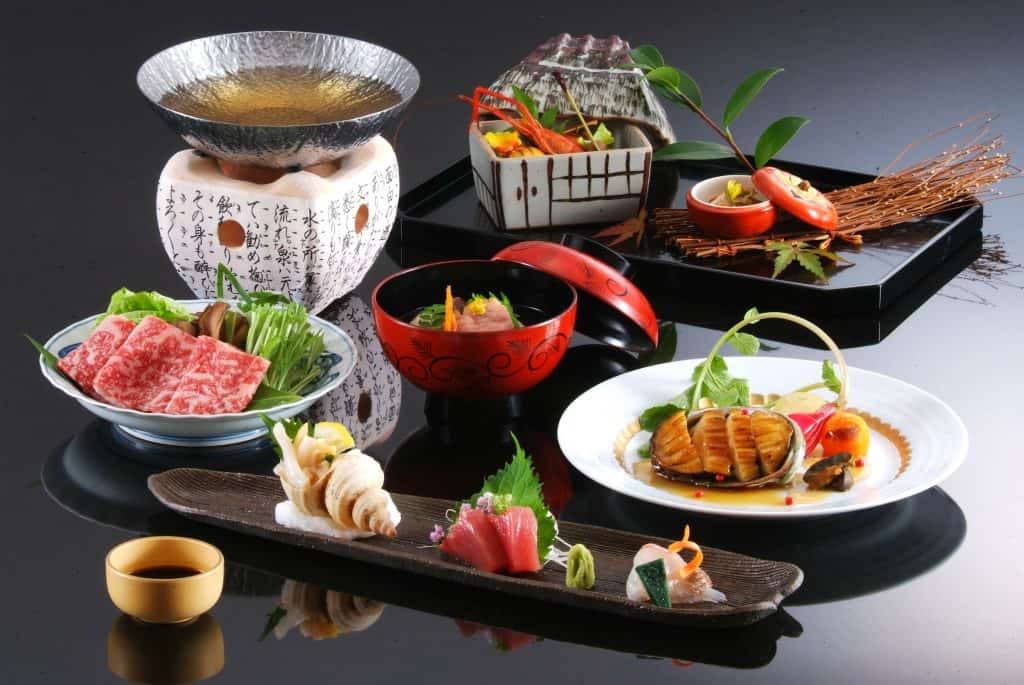
A kaiseki meal does not shout. It reveals season, texture, temperature and mood through sequence. At Kikunoi in Kyoto, chef Yoshihiro Murata has long shown how a meal can move like a calendar, with bamboo shoots, ayu sweetfish, matsutake mushrooms or snow crab appearing not as ingredients alone, but as signals of a particular moment in the year. At Kitcho, the Kyoto tradition of hospitality turns the bowl, tray, ceramic, lacquer, leaf and space into part of the cuisine itself. Nothing is accidental. A single ingredient can be presented in a way that makes the diner feel the month, the weather, the landscape.
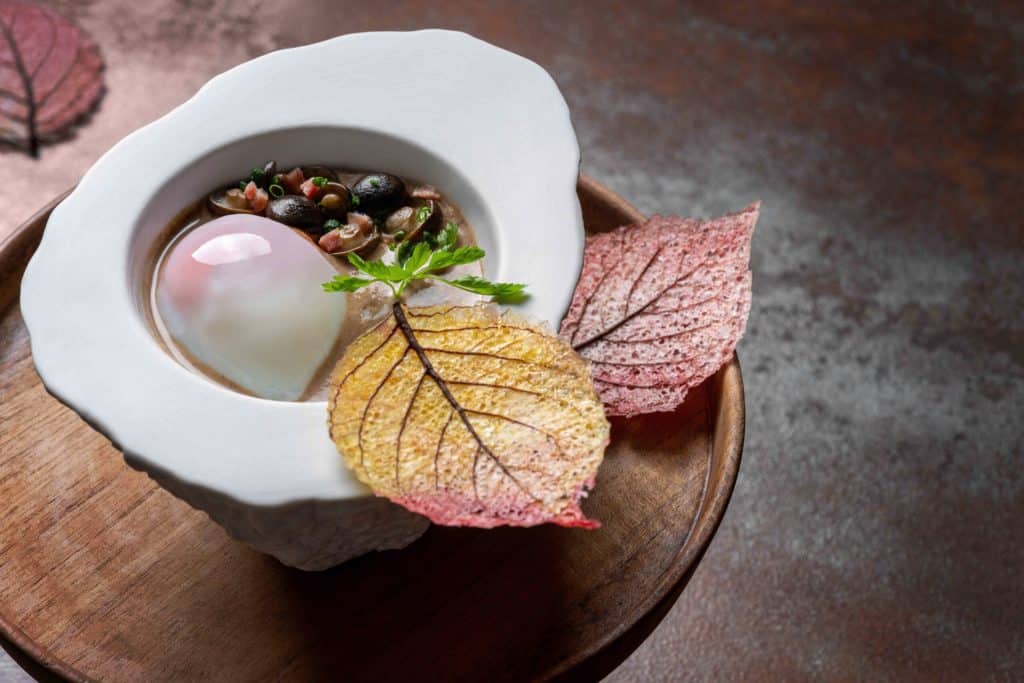
A pale plate can make sashimi glow. A dark bowl can make broth feel deeper. A maple leaf can mark autumn. A rough ceramic surface can make tofu, sea bream or a seasonal vegetable appear more fragile. At n/naka in Los Angeles, Niki Nakayama has carried the kaiseki spirit into a contemporary setting, where every course follows rhythm, restraint and emotional progression. At Den in Tokyo, Zaiyu Hasegawa plays with the form more mischievously, proving that even humour can be precise when the plate understands timing. Space is not emptiness. It is breath.
Kaiseki reminds the culinary world that drama does not always need smoke, gold or height. Sometimes drama is a lacquered bowl opened at the right second. Sometimes it is a single blossom beside fish. Sometimes it is the quiet shock of something seasonal placed exactly where it should be.
Luxury, Scale and the Hotel Plate
In hotels, presentation carries an even wider responsibility. A fine-dining restaurant may plate 40 covers with intense control. A luxury hotel may need to make breakfast, banquets, weddings, in-room dining, buffets, live counters, club lounges and chef’s tables all look considered.
A buffet is edible architecture. Height, colour, rhythm, freshness and replenishment matter. A good buffet must look abundant without appearing messy. A live counter must have movement. A carving station must have theatre. A dessert room must feel irresistible before anyone picks up a plate.
Banquets are a different battlefield. Serving hundreds of guests requires choreography, heat retention, plating consistency and speed. A sauce that behaves beautifully for 20 covers may become a problem at 700. A garnish that looks delicate in a restaurant may wilt in a ballroom. Wedding food must carry grandeur. Corporate dining must look polished. Wellness menus must appear clean, alive and reassuring.
In-room dining is another test. The food travels. Steam gathers. Crispness suffers. Sauces move. Packaging, vessel selection and plating resilience become part of the craft. The dish must survive the corridor and still feel cared for.
This is why hotel chefs often possess a different kind of genius. They understand the romance of a plate and the logistics of a banquet lift. They know beauty under pressure.
The Table as a Window to Culture
For the traveller, food presentation becomes an introduction to culture. A mezze table speaks of sharing before anyone explains it. Pintxos in San Sebastián turn the bar counter into a gallery. A Moroccan tagine reveals itself in steam. A Peruvian ceviche flashes with citrus, chilli and colour. Afternoon tea in London performs manners. A Rajasthani thali performs hospitality. A coastal seafood platter performs geography. A temple meal performs devotion.
Every destination has a plating instinct. Some cultures stack. Some scatter. Some conceal. Some reveal. Some place abundance at the centre. Some use sequence. Some let the vessel carry identity. Some use fire as final flourish.
Luxury travel has made diners more visually aware, but also more demanding. They do not want food that looks globally fashionable and locally empty. They want a plate that belongs somewhere. A dish in Kerala should understand coconut, pepper, curry leaves, seafood, banana leaf, brass, steam and monsoon appetite. A Himalayan meal can carry buckwheat, millet, smoke, butter tea, local greens and mountain restraint. A desert dinner can use fire, grains, dried fruits, game, brass and shadow.
The finest culinary travel experiences do not merely feed guests. They give them a visual memory of place.
The Lasting Spell
The finest food presentation leaves behind something more powerful than an Insta reel. It leaves a sensation.
The hush before the spoon breaks a surface, as it does with a perfect soufflé, panna cotta or molten chocolate fondant. The perfume of spice under a lifted lid, the way biryani releases its first secret in a cloud of saffron, ghee and slow-cooked meat. The crack of caramel, sharp and theatrical, like the first strike on a crème brûlée.
The glisten of sauce, the kind French kitchens have treated almost as a signature, polished enough to catch the light. The char at the edge, as powerful on a tandoori lamb chop as it is on a wood-fired steak. The first rush of steam, rising from ramen, rasam, pho or a deeply fragrant consommé. The feeling that a chef has thought about your appetite before you knew how hungry you were.
Grant Achatz understood this when he turned a dish into a performance at Alinea, making surprise part of the meal itself. Massimo Bottura understood it when a broken tart became one of modern dining’s most famous acts of controlled imperfection. Dominique Crenn understands it when a plate reads like a line of poetry, delicate but charged. René Redzepi understands it when a dish at Noma feels less plated than gathered from a season, a forest floor, a shoreline, a Nordic mood. Gaggan Anand understands it when Indian flavours arrive with mischief, colour, humour and provocation, asking the diner to look, laugh, touch and taste differently.
That is the true art of the plate. It is not prettiness. It is persuasion. It is not luxury alone. It is attention. It is not theatre for its own sake. It is a carefully staged invitation to taste more deeply.
Read More: Latest