

On the plate, Indian wellness food appears gently, offering comfort, balance, and quiet restoration

Wellness has quietly changed its address. It no longer lives only in spa menus and sunrise rituals. It lives at the most dependable constant of any journey: the table. Not as an add on and not as a moral exercise, but as the daily force that shapes how travel feels in the body and the mind.
Meals repeat across time zones, climates, broken sleep cycles, long drives, and unfamiliar routines. What a traveller eats influences energy, digestion, mood, and emotional steadiness with a consistency no other wellness intervention can match.
International tourism bodies have positioned gastronomy as a driver of destination identity, describing food as a bridge between visitors and local heritage. Food travel research groups have noted that culinary reputation influences destination choice for a large share of leisure travellers, and that food and drink take a meaningful slice of travel budgets. The emotional reason is simpler: travellers want wellbeing without performance, and meals deliver it quietly.
India sits naturally at the heart of this shift. Its regional cuisines were never designed around restriction or guilt. They evolved through geography, climate, labour, and memory, refined without the language of detox. Luxury hospitality in India is increasingly treating this inherited intelligence as premium craft rather than nostalgia: local produce handled with clarity, fermentation respected as technique, slow cooking elevated as finesse, and chefs speaking of food as cultural wisdom rather than calorie arithmetic.
Why the Table Wins
Indian Wellness Food: Food travel research groups have noted that culinary reputation influences destination choice for a large share of leisure travellers
Travel destabilises routine by design. Flights compress sleep. Heat alters appetite. Altitude changes digestion. City noise keeps the mind alert. In such conditions, rigid wellness plans rarely survive. Food-led wellbeing succeeds because it asks for no compliance. It works through rhythm, and rhythm is what travel disrupts first.
A well-structured, regionally coherent meal anchors the day. Hunger becomes measured rather than urgent. Energy steadies. Snacking fades. Contemporary health reporting increasingly discusses gut health and its links with immune function and mental wellbeing, while also cautioning against simplistic claims. The traveller does not need certainty to notice the difference between meals that fight the body and meals that settle it.
Food also carries emotional weight. The aroma of a simmering dal, the tang of a fermented accompaniment, or the comfort of a warm broth after travel fatigue sends a signal of safety. Luxury travel once equated wellness with restraint. Food-led wellness replaces that stance with something more human: nourishment that feels generous, and pleasure that does not demand permission.
India as a Living Map of Balance
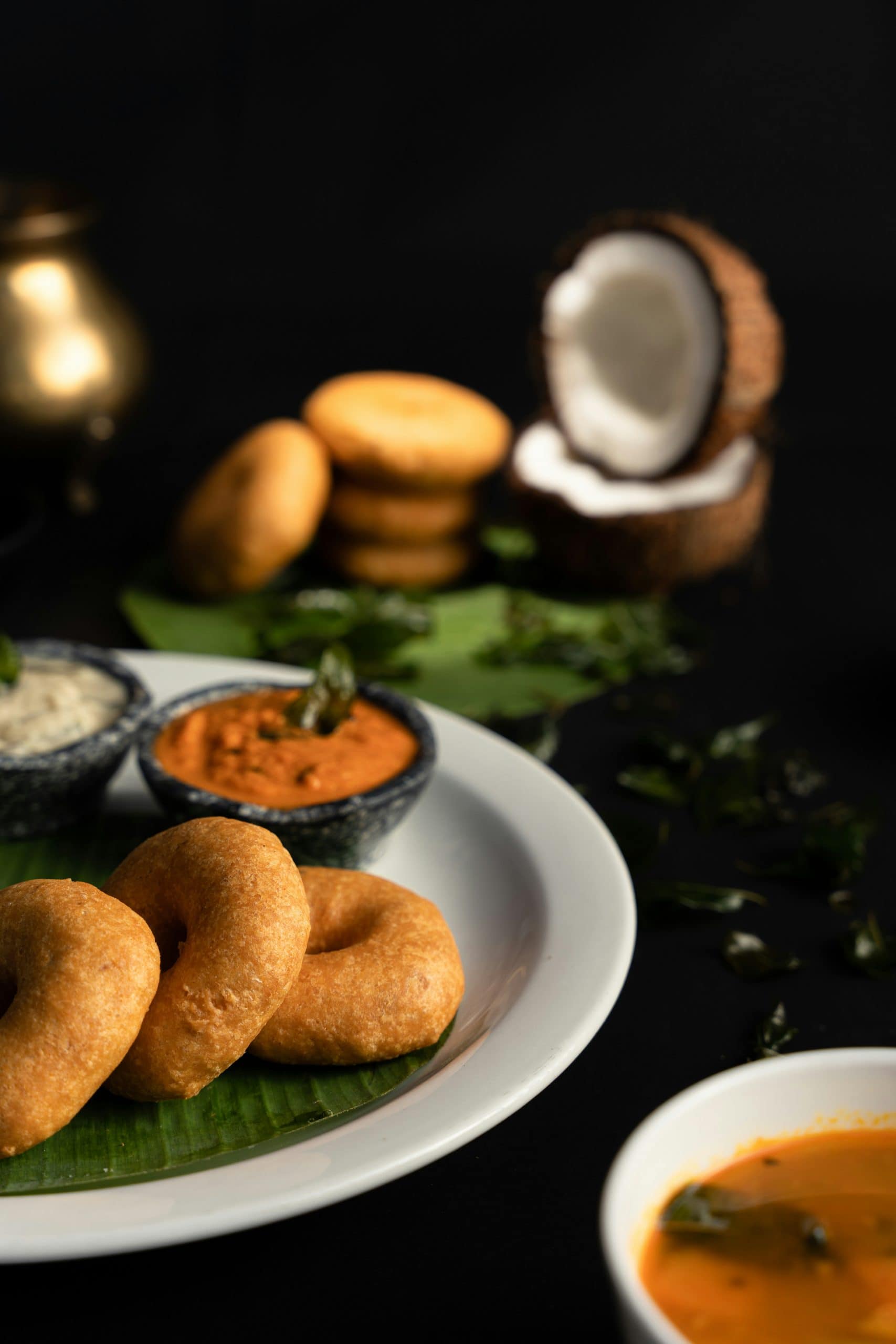
Indian cuisine resists a single wellness narrative because it was never singular. It is a library of regional systems, each responding intelligently to climate and daily life.
Coastal cuisines evolved around humidity and heat, leaning on rice, seafood, coconut, souring agents, and brief cooking. Arid regions refined grain and legume cookery, measured use of ghee, and preservation techniques. Mountain foodways leaned on dairy, grains, greens, and warming soups suited to altitude.
Across these landscapes, food solved practical problems: managing heat, supporting digestion, sustaining energy, and creating comfort. This is why Indian meals often feel complete without excess. A traditional plate balances grains, pulses, vegetables, a sour element, a fermented accent, and a restrained sweet finish. Modern wellness language calls this balance. Indian kitchens call it lunch.
Seasonality strengthens the system. Climate dictates what grows and how it should be cooked. Summer leans towards cooling textures and hydration. Winter welcomes warmth and slow cooking. Monsoon often shifts appetite towards gentler, cooked foods that are surprisingly healthy. UN tourism narratives consistently frame gastronomy as a defining asset for destination branding and sustainable tourism. The traveller does not need policy language. The traveller simply wants food that tastes like the place, in its own season.
Craft, Time, and the Luxury of Digestion
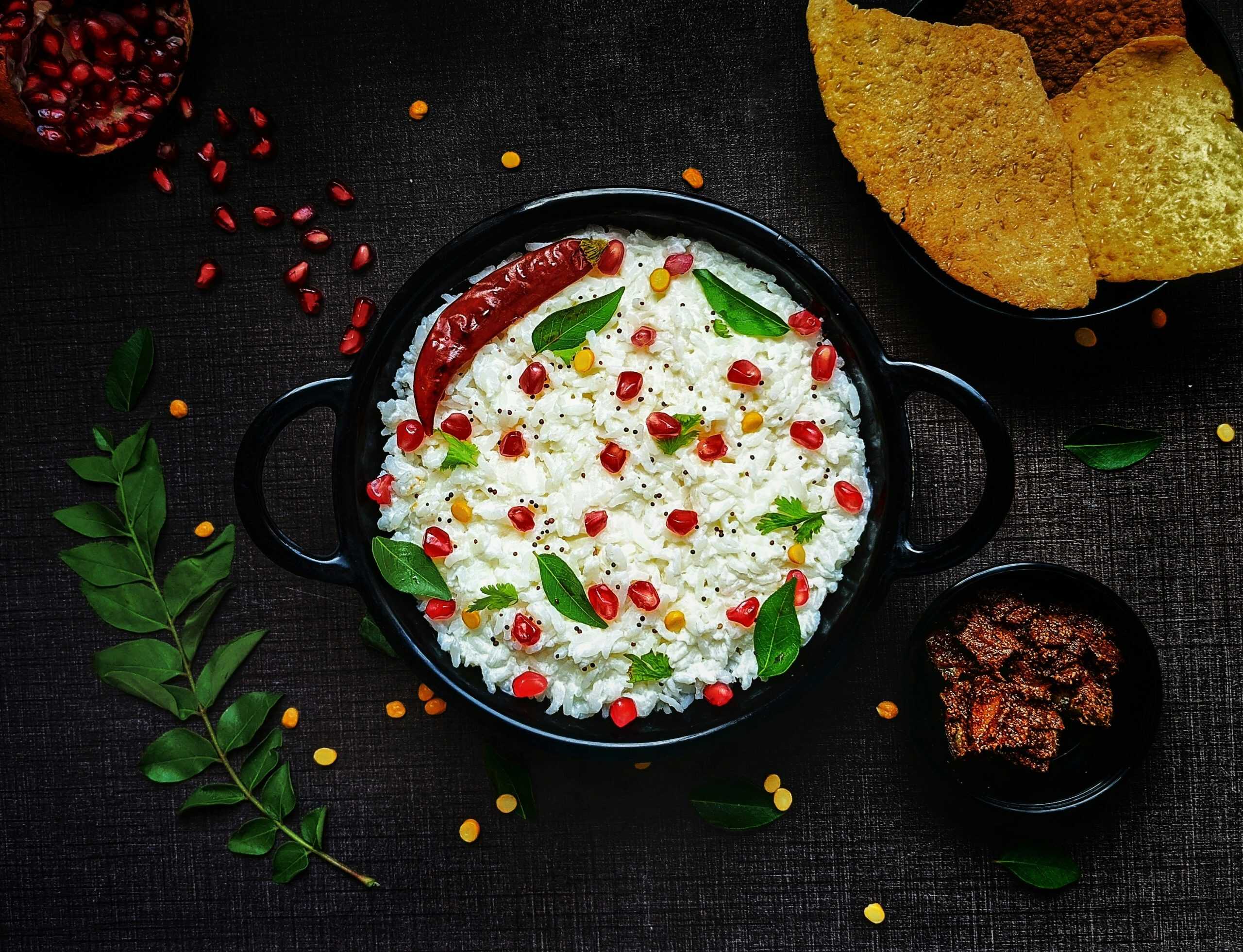
Fermentation and slow cooking, often marketed today as trends, have always been ordinary techniques in Indian kitchens. Their elevation in luxury settings is not about novelty. It is about craft.
Scientific research has explored fermented foods and their relationship with microbiome diversity and immune markers. A frequently cited Stanford study published in Cell reported increased microbiome diversity and changes in inflammatory markers during a fermented food intervention. These findings do not promise universal solutions, but they help explain why fermentation now sits at the intersection of inherited knowledge and modern curiosity.
Hotels that ferment well are practising discipline, not chasing headlines. Done properly, fermentation brings depth without heaviness and brightness without excess. A fermented side lifts a rich dish. A house set curd can change breakfast. Completeness reduces the desire for overeating, and that is where the wellness shows up without needing to be announced.
Slow cooking operates in a similar register. Long-simmered lentils, sealed pot gravies, patient broths, and gently cooked vegetables deliver satisfaction through depth rather than density. Time becomes an ingredient. A dish that carries patience communicates calm and encourages slower eating.
Luxury, Rewritten Through Food

Food-centred travel has matured beyond restaurant lists. Many travellers now choose destinations based on food philosophy: the daily logic shaping how locals eat, rather than the loudest dining room in town. Research from food travel organisations continues to highlight the influence of culinary reputation on destination choice and the significant share of travel budgets devoted to food and drink.
India’s advantage lies in coherence. Kerala’s coconut-based stews and fermented batters suit rain-soaked climates. Rajasthan’s grains and slow gravies reveal desert resilience refined into pleasure. Himalayan cuisines offer warming soups and dairy for the altitude. The plate becomes a guide, and wellness emerges through that coherence.
Luxury hospitality has responded by taking provenance seriously. Ingredient integrity now signals taste. Local sourcing improves freshness. Freshness sharpens flavour. Flavour clarity supports satisfaction. Satisfaction prevents excess. The chain is practical, not moral.
India’s heritage grains reinforce this logic. International Year of Millets material highlights millets as climate-resilient and nutritionally relevant whole grains, and the Indian government communication has underlined India’s position as a major millet producer. In luxury travel, that translates into a new sophistication: heritage grains used with restraint, placed into meals that feel natural.
The role of the chef has evolved accordingly. The most credible chefs interpret place: soil, season, fermentation time, spice logic, and why a dish exists. That storytelling restores trust in eating, and trust changes how food is experienced.
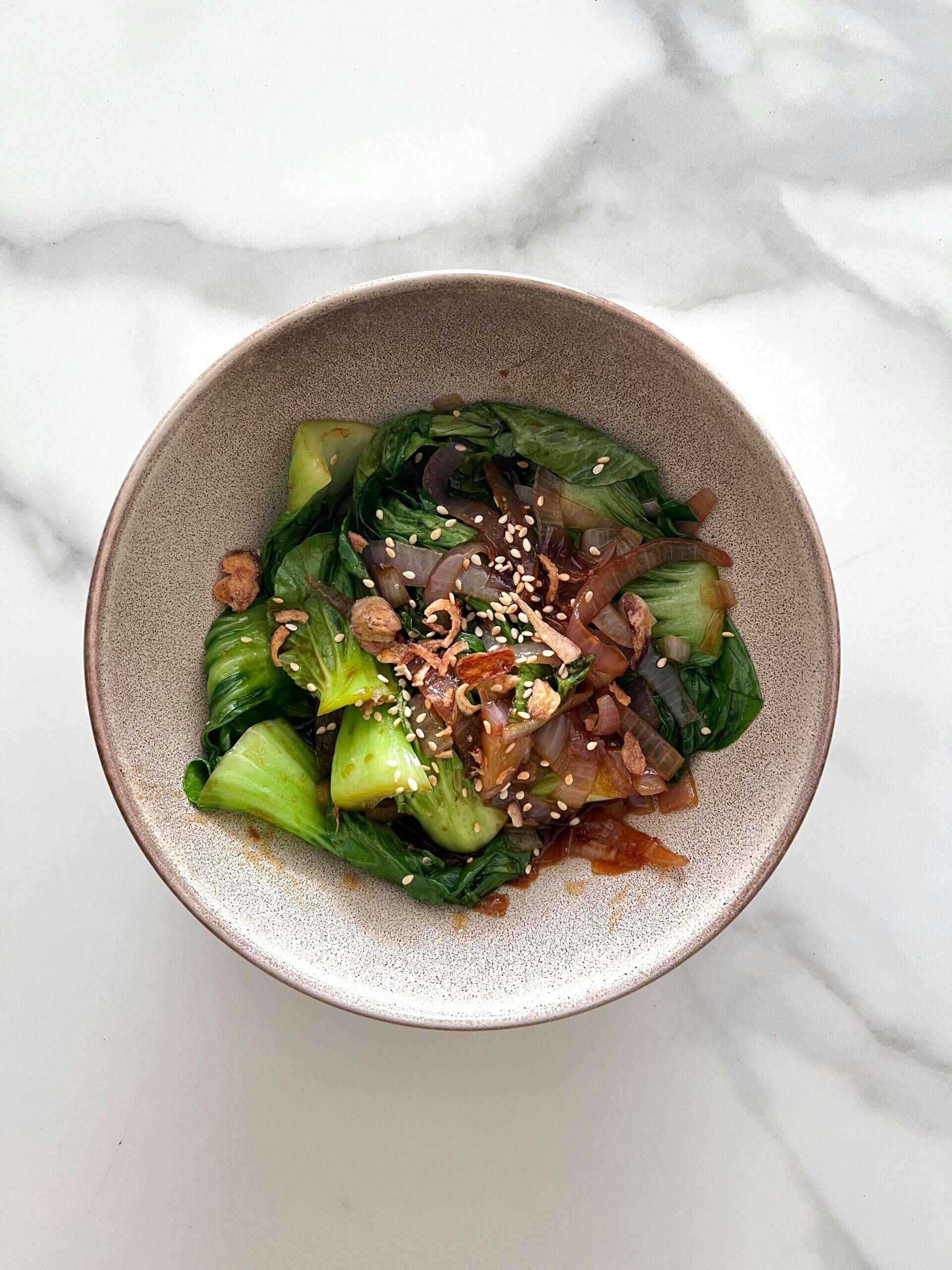
Food-led wellness also travels home. Travellers return with habits that fit ordinary life: seasonal meals, simpler warm breakfasts, fermented sides, and slower eating.
A perfect rasam or a patient dal stays vivid, and that memory quietly reshapes the next day’s choices.
Luxury, in this new frame, has grown quieter. Excess signals insecurity. Precision signals care. A great meal leaves the guest clear, comfortable, and ready for rest.
Eat well, and travel does not merely become richer. It becomes easier.
Read more – Latest