

Expensive foods earn their luxury status when rarity, culture, craft and desire come together on the plate
The world’s most expensive foods do not become famous because of taste alone. Their price is shaped by rarity, climate, craft, heritage, strict grading, fragile handling, ethical debate, clever storytelling and the deep human desire to turn a meal into a memory. From saffron threads picked by hand to white truffles shaved at the table, from Kobe beef to caviar, luxury ingredients sit at the meeting point of agriculture, culture and theatre. Their value is not only in how they taste, but in what they represent.
Luxury dining has always understood one thing: appetite is never only about hunger. At the highest end of the table, a dish becomes a signal. It speaks of season, source, patience, skill, ceremony and sometimes a little harmless drama. The world’s most expensive foods occupy that space beautifully. They are eaten in small quantities, discussed in big tones and remembered long after the plate has been cleared.
Some ingredients are costly because nature makes them difficult to find. Others need years of ageing, narrow growing conditions, exacting certification or meticulous handwork. Some become expensive because they are caught up in auction excitement, gift culture or the prestige economy of fine dining. A few carry uncomfortable questions about sustainability, legality or animal welfare, reminding us that luxury is at its best when it is also responsible.
Prices vary widely across markets, restaurants and seasons, so the figures attached to these ingredients should be read as indicative rather than fixed. Still, each food on this list reveals the same truth: when rarity meets desire, even a pinch, slice, spoonful, or shaving can become an icon.
1. Saffron: A Pinch of Gold
Saffron is often called red gold, and with good reason. The spice comes from the delicate red stigmas of the saffron crocus, with each flower producing only three usable threads. Harvesting is done by hand, usually during a short flowering window. It takes a remarkable number of flowers to produce even a small amount of dried saffron, which explains why the spice can cost thousands of dollars per kilogram, with premium retail pricing often much higher.
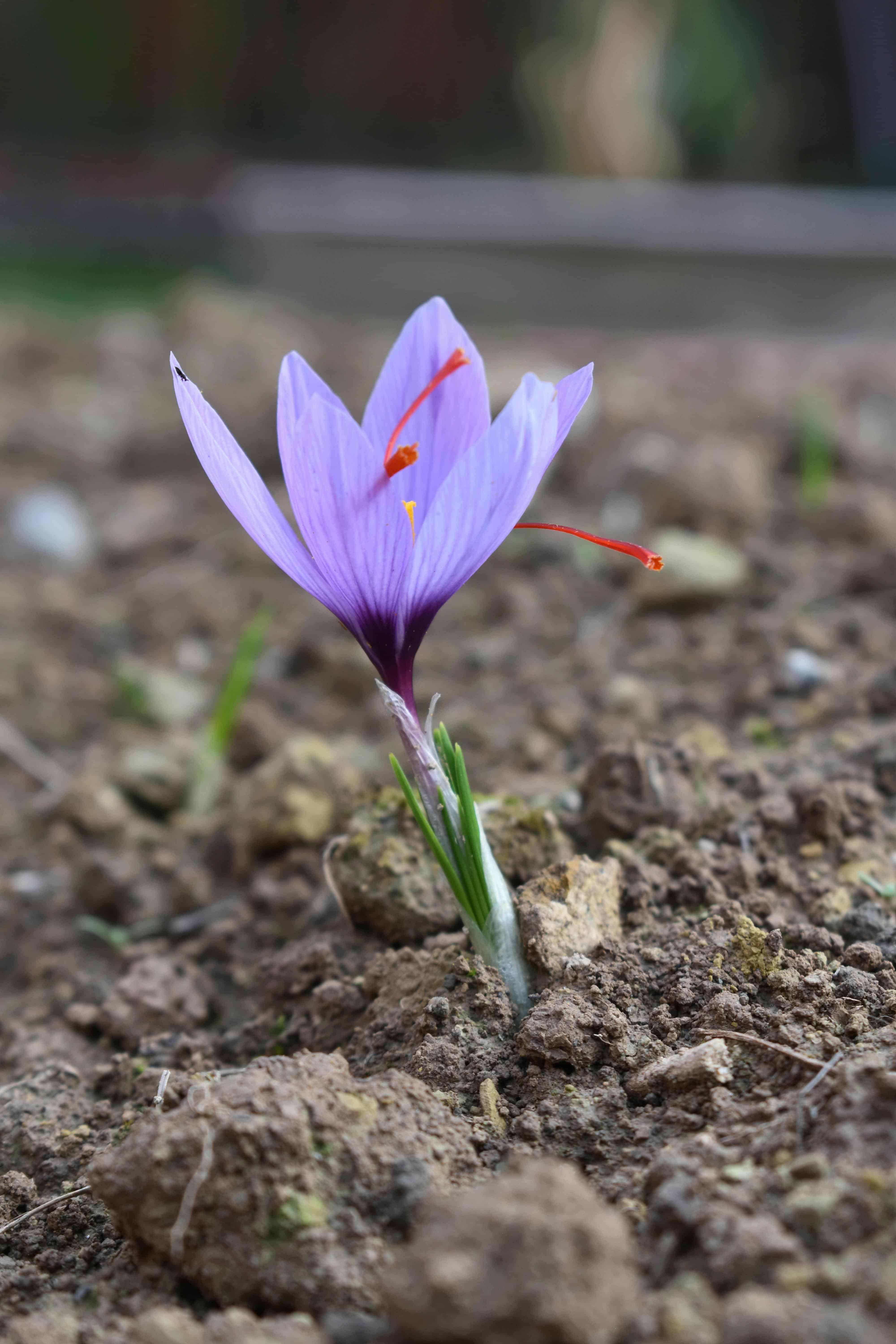
Yet saffron never behaves like an ordinary spice. It does not need quantity to make its presence felt. A few strands can transform a dish through colour, fragrance and quiet richness. In India, it deepens biryani, perfumes kheer, lends beauty to phirni and gives kahwa its golden glow. In Spain, it is central to paella. In Italy, it brings warmth to risotto alla Milanese. Across cuisines, saffron has the ability to make food feel festive without shouting for attention.
Its luxury lies in transformation. Rice looks richer. Milk sweets feel ceremonial. Broths and sauces gain depth. Saffron proves that true luxury is sometimes measured not by abundance, but by restraint.
2. Kobe Beef: Marble That Melts
Wagyu gained global fame because of its marbling, the fine web of fat that runs through the meat. Kobe beef takes that prestige into a highly regulated category. Genuine Kobe comes from Tajima cattle raised in Japan’s Hyogo Prefecture and must meet strict standards for lineage, quality, yield and marbling. That certification matters because it separates true Kobe from the many menus that use the word loosely.
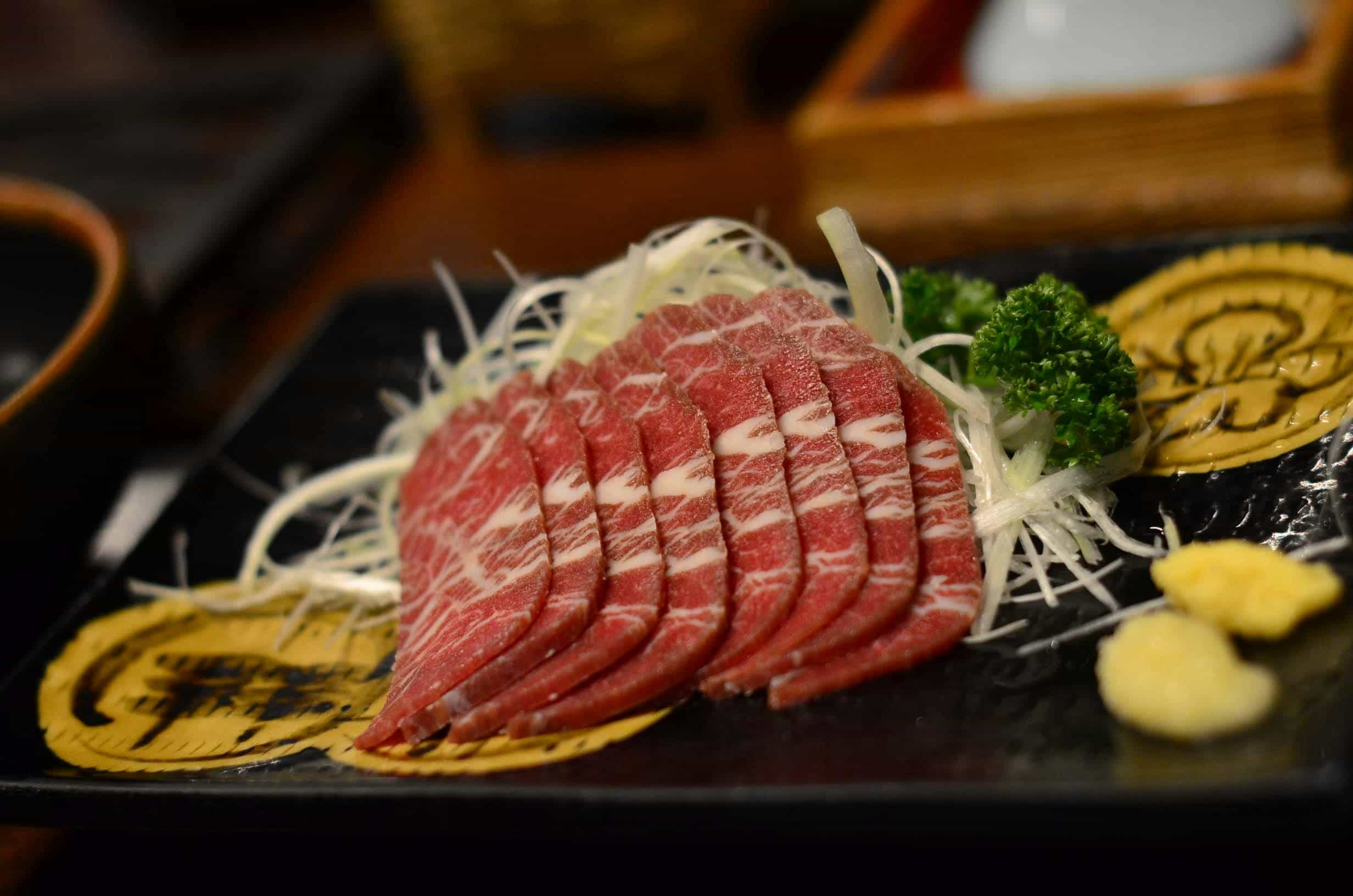
The price reflects breed, feed, time, grading, traceability and scarcity. At the table, Kobe is usually treated with restraint. A chef may quickly sear it, slice it thinly, place it in sukiyaki, serve it on a teppan or include it in a tasting menu. Heavy sauces would miss the point. The pleasure is in texture: the way the fat softens with heat, the way the beef seems to melt rather than chew, the way richness arrives without heaviness.
Kobe is expensive because everything around it is controlled. It is not only beef. It is provenance, discipline and a reputation built one carefully handled cut at a time.
3. Kopi Luwak: The Cup with a Backstory
Few luxury foods have a story as unusual as kopi luwak. Asian palm civets eat coffee cherries, and the beans pass through the animal’s digestive system before being collected, cleaned, dried and roasted. This unusual process gave kopi luwak its global fame and made it one of the most talked-about luxury coffees in the world.
Its price is driven by curiosity, rarity and the belief that the process can make the coffee smoother, softer and less bitter. For many drinkers, it is as much a conversation piece as a beverage. You do not order it only for caffeine. You order it because the story follows the cup.
But kopi luwak also carries serious ethical concerns. Rising demand has led to caged civet production in some places, where animal welfare standards can be poor. For today’s luxury traveller and diner, the more responsible question is not only “How rare is it?” but “How was it sourced?” If kopi luwak appears on a menu, the best version should be traceable, responsibly sourced and free from cruel practices. Luxury should never depend on suffering.
4. Bluefin Tuna: Sushi’s Million-Dollar Mood
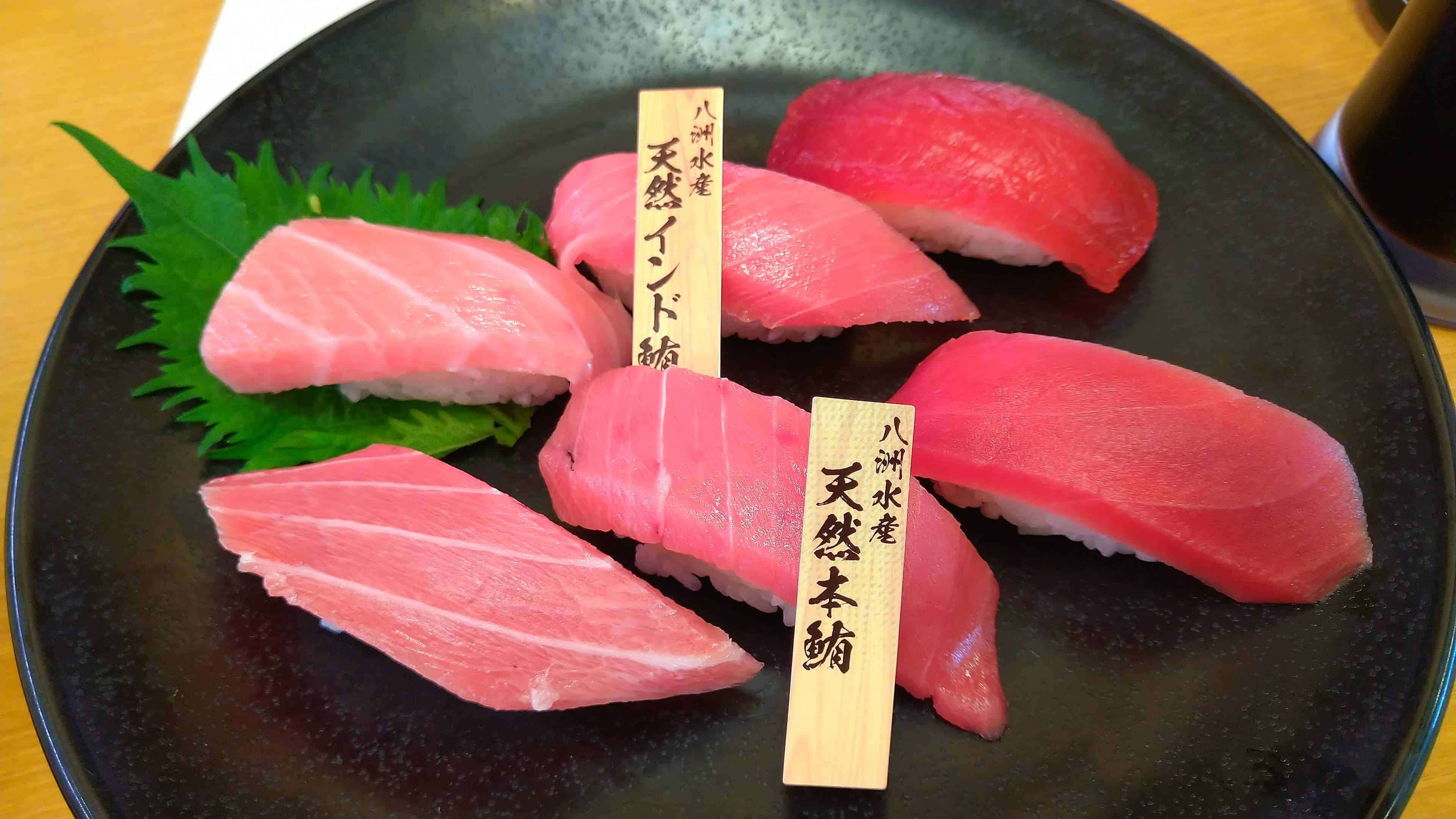
Bluefin tuna holds a powerful place in sushi culture because of its texture, fat and freshness. Different cuts offer different pleasures. Akami is lean and clean. Chutoro is richer and softer. Otoro, the fatty belly, is prized for its lush texture and delicate melt. At a serious sushi counter, the handling is almost meditative. Temperature, ageing, slicing, rice seasoning and timing all matter.
The drama around bluefin is also part of its reputation. At major New Year tuna auctions in Tokyo, certain fish have sold for extraordinary sums, turning the first tuna of the year into a media event. These prices are not normal market prices. They are ceremonial, promotional and symbolic, but they add to the mythology of bluefin as one of the great luxury ingredients.
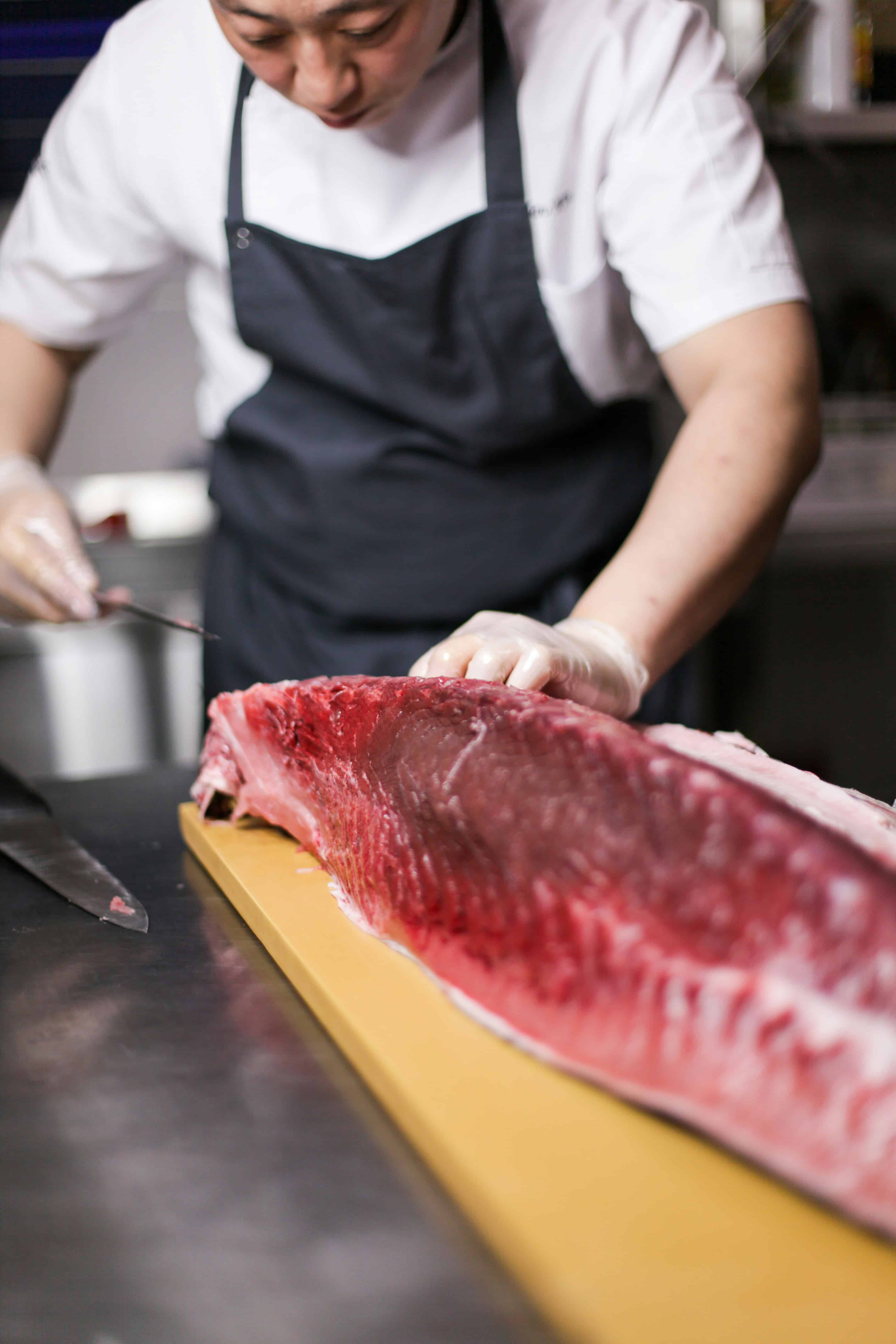
Bluefin also comes with sustainability questions. Responsible sourcing is essential, and diners should pay attention to species, origin, catch method and management. The finest sushi experience today is not only about indulgence. It is about respect for the fish, the craft and the future of the ocean.
5. Beluga Caviar: Pearls with Pedigree
Beluga caviar remains one of the most recognisable symbols of old-world luxury. Its appeal lies in texture, salinity and restraint. The eggs are prized for their delicate pop, smooth finish and clean taste of the sea. Caviar is often served chilled with blinis, crème fraîche, egg, potato, champagne or vodka, but the finest service keeps the accompaniments quiet. Nothing should shout around it.
The style of serving matters. Caviar is easily overwhelmed by heat, spice or strong flavours. Small spoons, cool temperatures and mild pairings allow the roe to speak. The experience feels ceremonial because it asks the diner to slow down. A small spoonful becomes the whole moment.
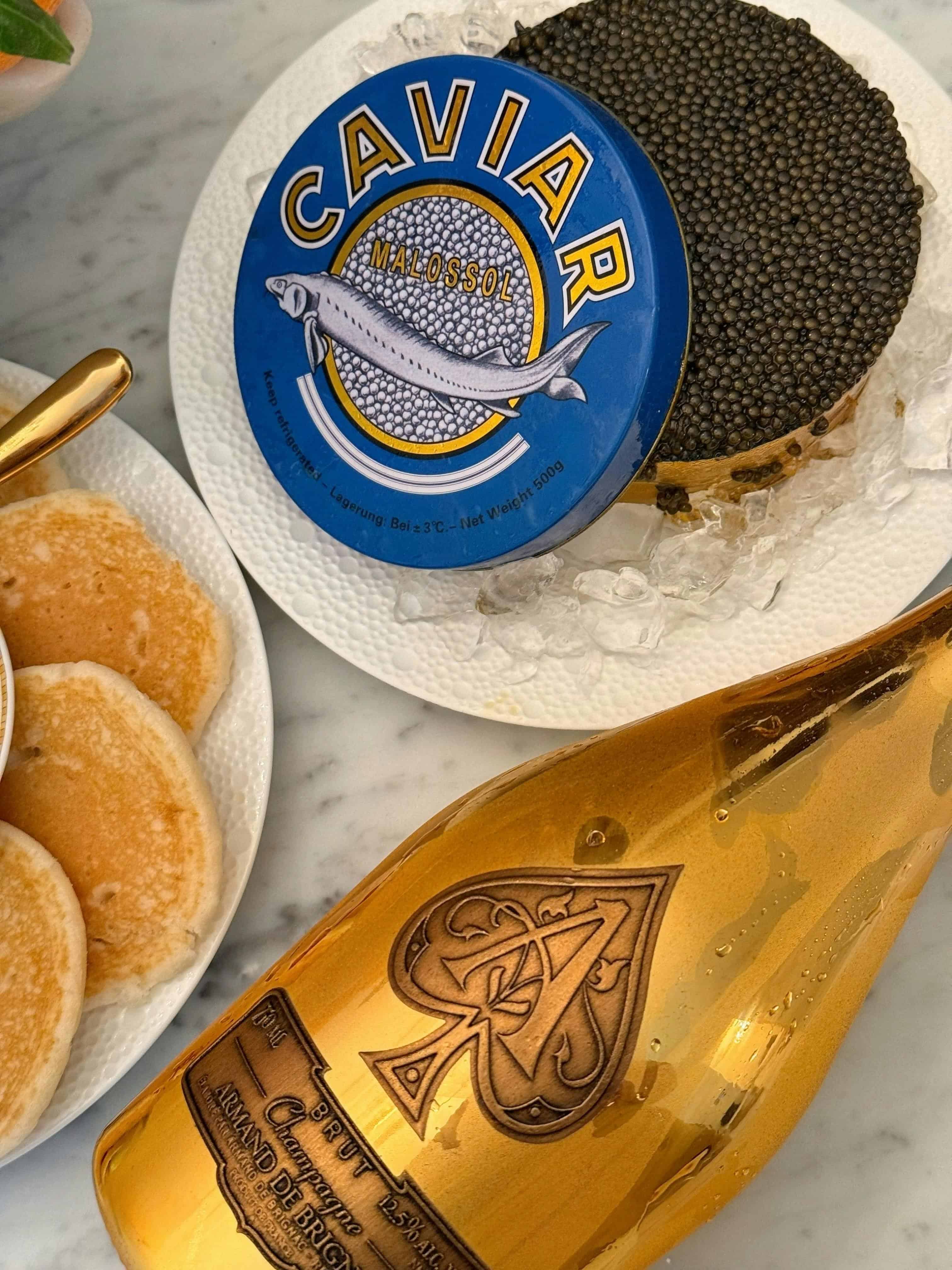
Its price is driven by rarity, slow-producing sturgeon, aquaculture costs, conservation controls and legal traceability. Genuine sturgeon caviar should be labelled and legally acquired. In a world where illegal and counterfeit caviar remain concerns, provenance is not a luxury extra. It is the foundation of the product.
6. Densuke Watermelon: The Black Jewel of Japan
Densuke watermelon proves that fruit can become luxury when rarity meets presentation. Grown in Japan, especially Hokkaido, it is known for its dark glossy skin, crisp red flesh and clean sweetness. In Japan’s gift culture, perfect fruit is not treated as everyday produce. It is admired, boxed and presented with the care usually given to jewellery or flowers.
Densuke is seasonal and limited, which keeps demand high. Exceptional fruits can fetch striking prices, especially at auctions, while retail prices vary by size, quality and market. The appeal is not complexity. It is purity. A Densuke watermelon is best served cold, sliced cleanly and left alone. No foam, no garnish, no unnecessary flourish.
Its charm lies in the idea that perfection can be simple. A flawless fruit, grown with care and eaten at its peak, can feel as luxurious as any elaborate tasting menu.
7. Jamón Ibérico de Bellota: Silk, Salt and Spain
Jamón ibérico, especially bellota, is expensive because it asks for time, landscape and skill. The finest hams come from Iberian pigs that feed on acorns across the dehesa, the oak-dotted pasturelands of Spain. That diet contributes to the ham’s nutty aroma and silky fat. After salting, the hams are cured slowly, often for years, until the flavour becomes deep, savoury and complex.
The cutting is part of the luxury. A skilled carver slices the ham by hand into thin ribbons that soften at room temperature. Each slice should balance meat and fat. Too thick, and the texture becomes clumsy. Too cold, and the fragrance stays hidden.
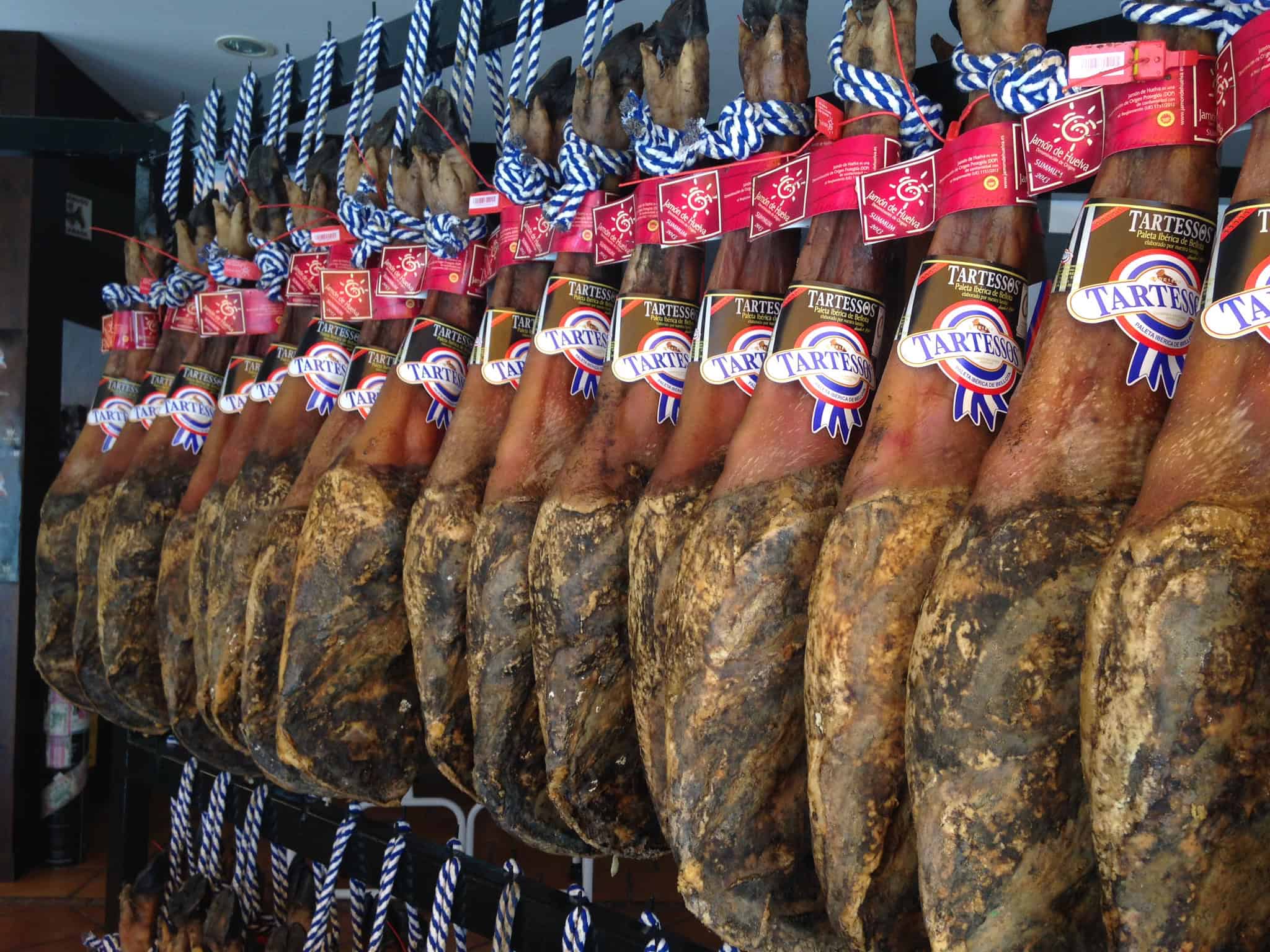
Jamón ibérico de bellota is not meant to be rushed. It is eaten slowly, often with bread, olives, cheese, sherry or wine. The pleasure is in the way the fat melts, the way the salt opens the appetite, and the way one slice seems to carry an entire landscape.
8. White Alba Truffle: The Scent of Serious Money
White Alba truffles are a luxury of aroma. They grow underground in specific conditions, often in parts of Piedmont in Italy, and are found with the help of trained dogs. Their season is short, their supply is uncertain and their shelf life is brief. Once picked, they begin to lose intensity, which makes timing everything.
This fragility is priced into them. A white truffle must reach the kitchen fresh, be stored carefully and be served while its scent still has power. Chefs usually shave it over warm pasta, risotto, eggs or potatoes because gentle heat releases its perfume. Cooking it aggressively would waste the very thing that makes it valuable.
White truffles are not loud in the usual sense. They do not arrive with visual drama. Their power is invisible at first, then unmistakable. The aroma fills the table before the first bite. That is why a few shavings can change the entire mood of a dish.
9. The Golden Opulence Sundae: Dessert Dressed for Drama
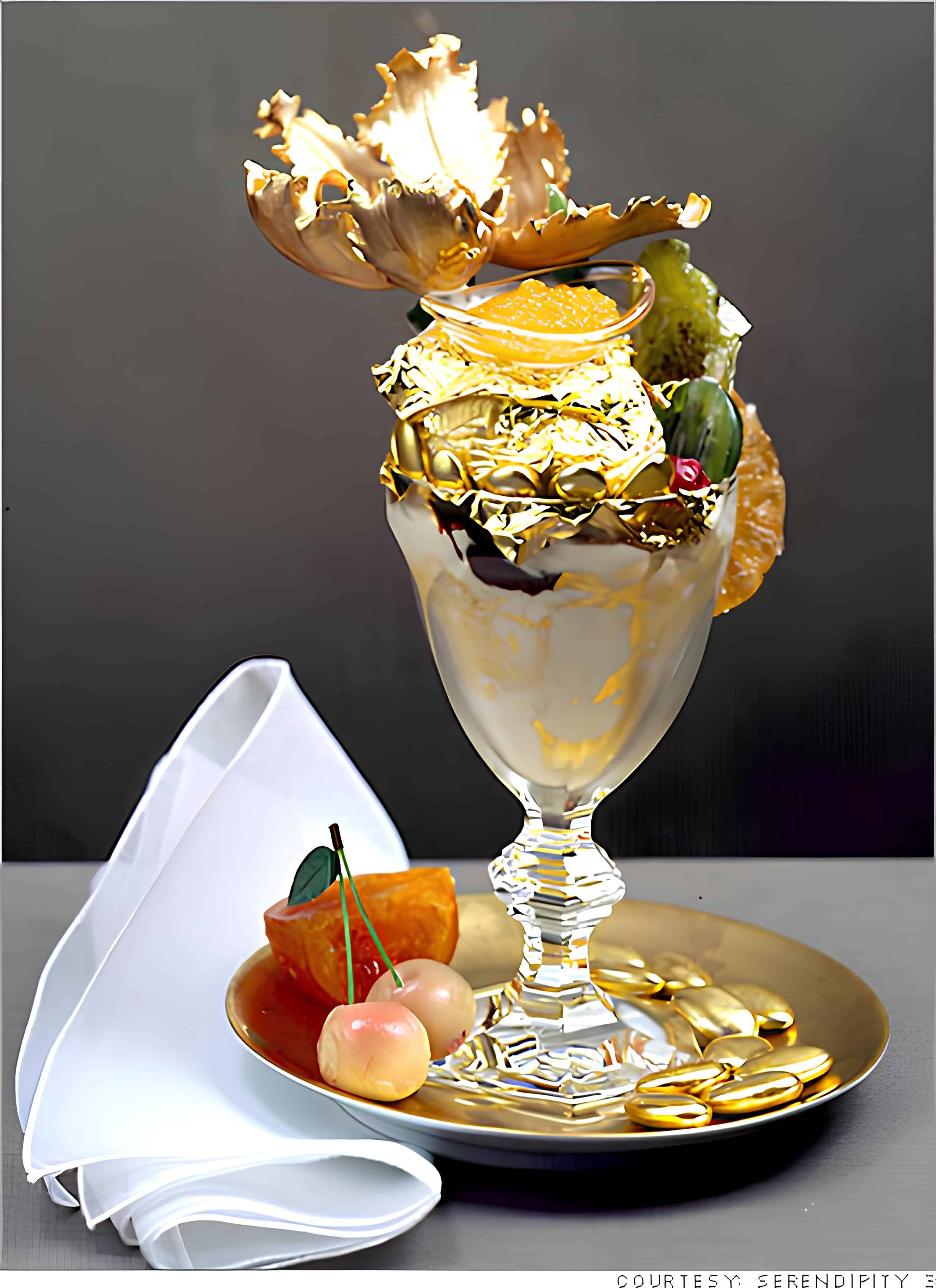
The Golden Opulence Sundae at Serendipity 3 in New York is one of the playful sides of luxury dining. It takes ice cream, one of the most familiar comforts in the world, and dresses it in excess. With premium vanilla, rare chocolates, edible gold and elaborate presentation, the sundae turns dessert into spectacle.
Its famous price is about performance as much as ingredients. The dessert asks to be photographed. It gives the guest a story to tell. It understands that modern luxury is often part flavour, part theatre and part social currency.
There is a wink built into it. Nobody needs a gilded sundae, which is precisely why it works. It is extravagant, theatrical and fully aware of its own fame. In the world of fine dining, sometimes the point is not subtlety. Sometimes the point is to make the table laugh, gasp and reach for the camera.
10. Edible Gold: Dining in 24 Carats
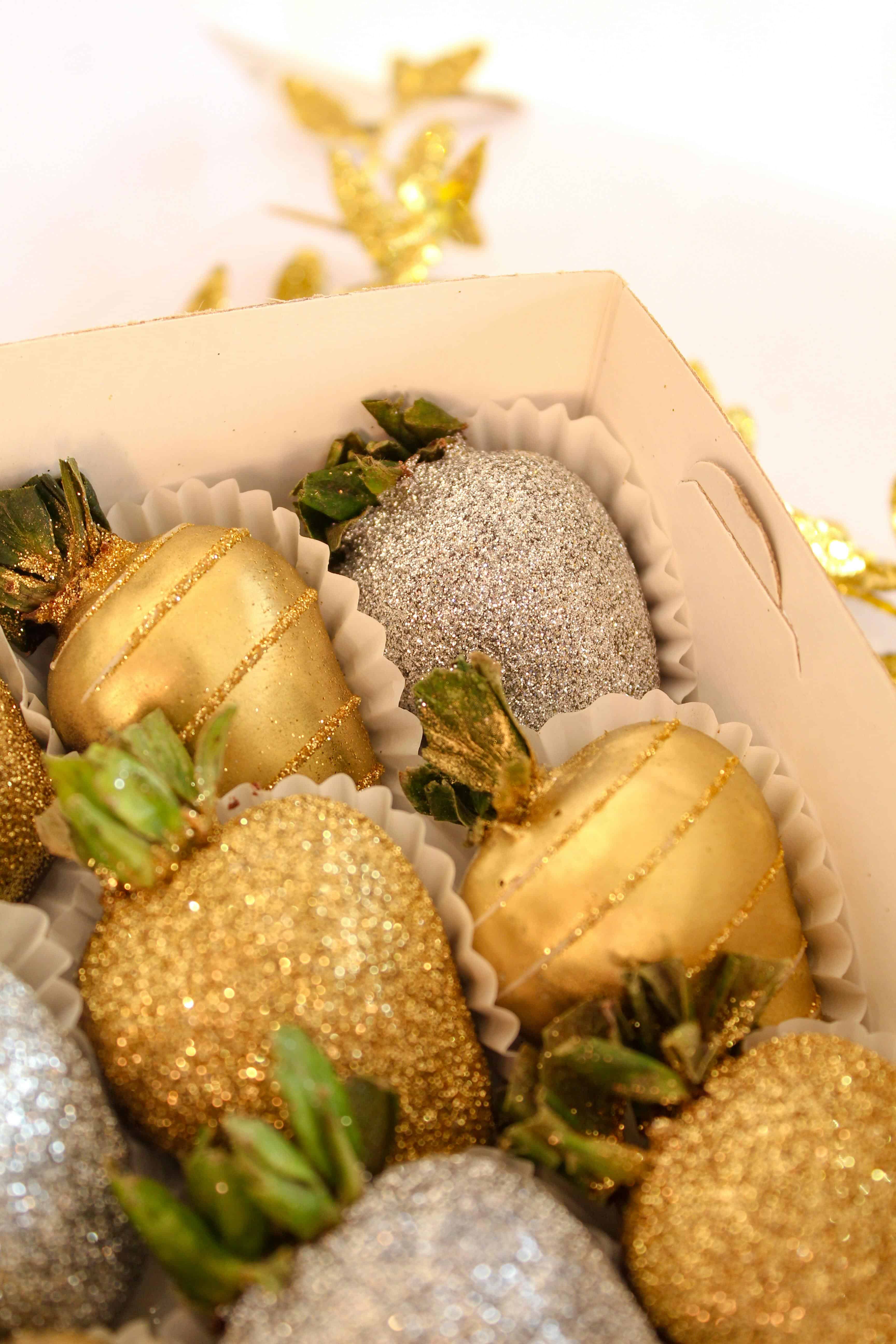
Edible gold is luxury in its most literal form. It does not add flavour, aroma or texture in any meaningful way. Its purpose is visual impact. A sheet of gold leaf on a dessert, a few flakes over sushi, a shimmer on chocolate or a gilded cocktail instantly tells the diner that the dish has entered performance mode.
Its price comes from purity, handling and presentation. Food-grade gold is usually extremely pure, often 23 or 24 carat, because ordinary jewellery gold may contain other metals. It is flavour-neutral and used in extremely thin sheets or flakes as a decorative food additive in several markets.
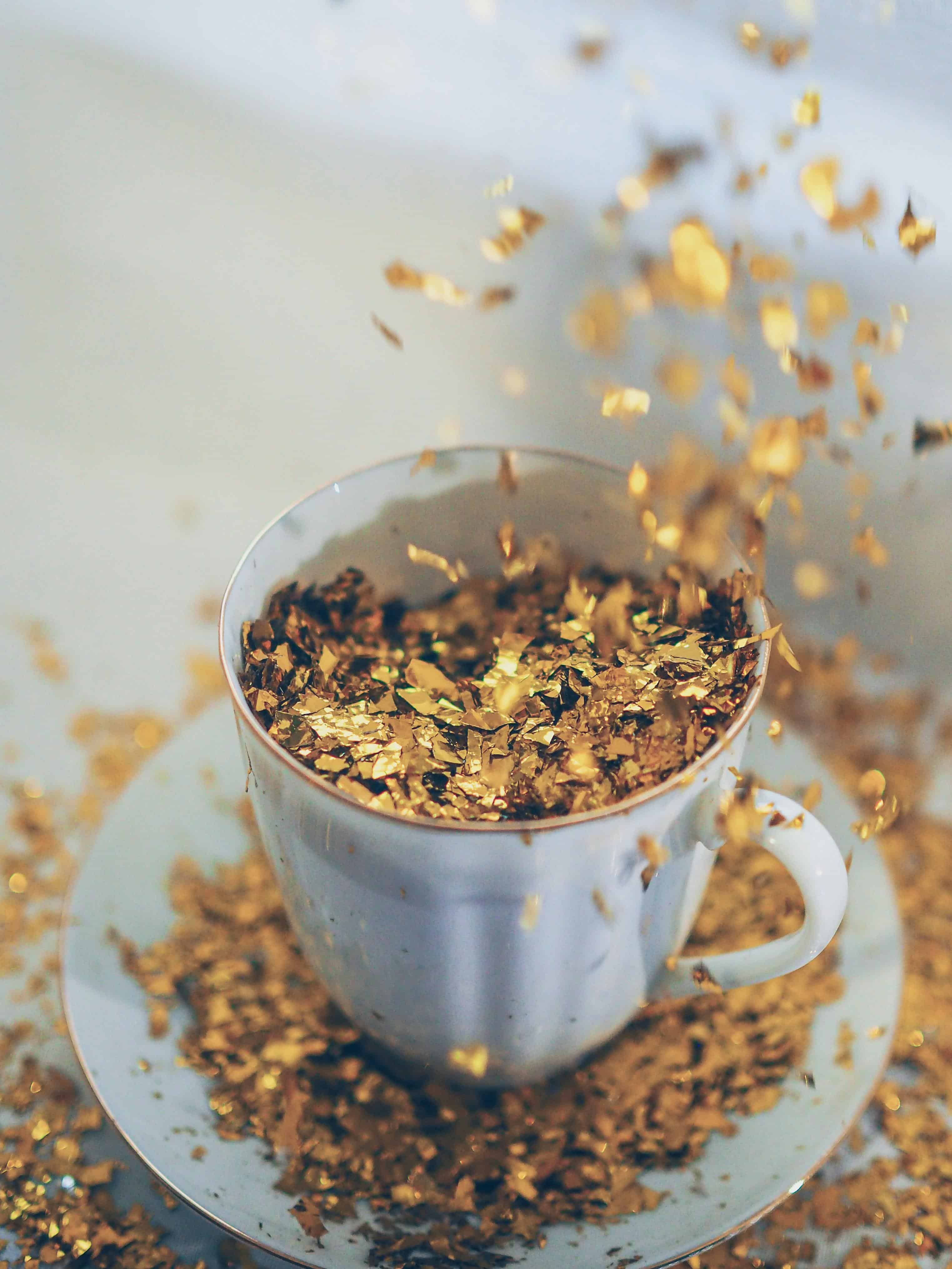
Gold leaf is often criticised as unnecessary, and that criticism is fair. It is not there to improve taste. It is there to create a moment. In luxury dining, that moment can matter. A dish covered in gold is not whispering refinement. It is making an entrance.
11. Foie Gras: Silk on Brioche, with a Complicated Legacy
Foie gras has long carried prestige in classical French dining. At its best on a menu, it is smooth, rich and almost custard-like, served as a terrine, pâté, mousse, torchon or a seared slice with fruit, brioche or a sharp reduction. The texture is the attraction. It melts on the palate and gives a small portion enormous presence.
Its price is linked to tradition, skill and production. But foie gras is also one of the most contested luxury foods in the world. Classic foie gras is made from the enlarged liver of a duck or goose, usually produced through force-feeding, a practice criticised by animal welfare groups and restricted or banned in several places.
This makes foie gras a useful test of how luxury is changing. Many diners now expect pleasure to come with a conscience. Some chefs continue to serve it as part of culinary heritage, while others explore ethical alternatives. The conversation around foie gras is no longer only about taste. It is about the responsibility that comes with refinement.
12. Matsutake Mushrooms: The Forest’s Priciest Secret
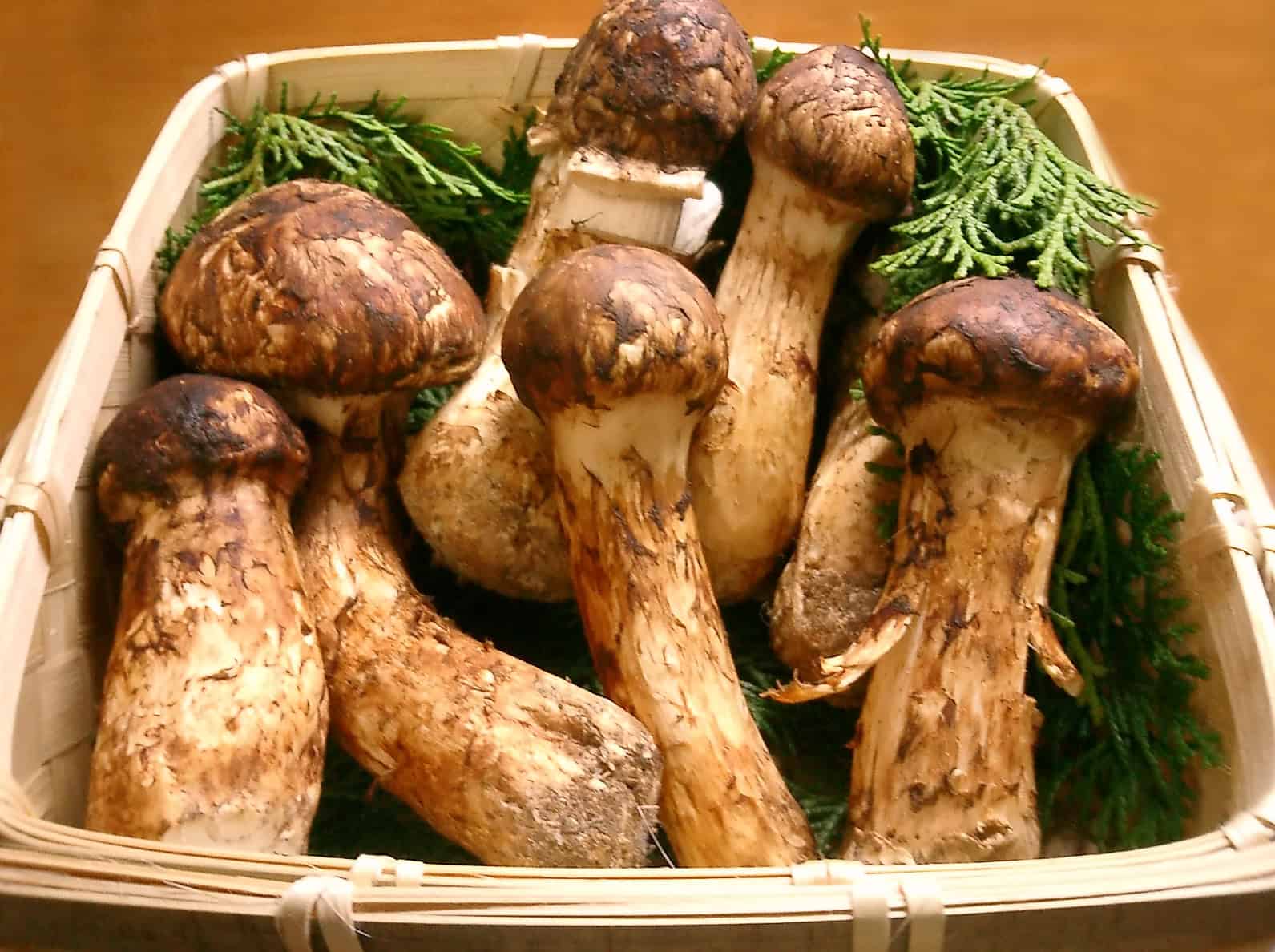
Matsutake mushrooms are expensive because they are difficult to cultivate and deeply tied to forest ecosystems, especially pine forests. Their season is short, supply is unpredictable and skilled foragers must know where to look. That uncertainty gives matsutake an almost treasure-hunt quality.
Their value is also cultural. In Japan, matsutake is associated with autumn, gifting and seasonal menus. A perfect specimen is about freshness, rarity and timeliness. Miss the season, and the moment is gone.
The flavour is distinctive: earthy, spicy, pine-like and deeply aromatic. Matsutake is often used in rice dishes, soups or gently prepared seasonal courses where its fragrance can lead. Like truffles, it is not an ingredient that wants noise around it. Its price reflects not only flavour, but the romance of the forest and the fleeting nature of the season.
13. Coffin Bay King Oysters: The King of the Cold Coast
Coffin Bay King Oysters bring scale to the luxury conversation. These are not ordinary oysters sold by the dozen for casual slurping. They are large, slow-growing oysters from Coffin Bay in South Australia, a region known for cold, clean waters and premium oyster farming. Some King Oysters are grown over several years, far longer than many standard oysters, which adds to their size, scarcity and price.
The appeal is immediate. A King Oyster arrives like a centrepiece, with its deep shell, firm flesh and briny freshness. It can be served simply with lemon, mignonette, champagne vinegar or nothing at all. The purity is the point. The sea should taste near, cold and clean.
In a world where luxury often becomes complicated, the oyster remains beautifully direct. It asks for freshness, skilled farming and almost nothing else. One shell, one sharp knife, one clean taste of the coast.
The Real Price of Luxury
The world’s most expensive foods reveal that luxury is never one thing. It can be rare, like saffron. Regulated, like Kobe beef. Ceremonial, like caviar. Seasonal, like white truffles. Playful, like a gilded sundae. Pure, like a perfect watermelon. Or complicated, like foie gras and kopi luwak.
What unites them is story. These foods are expensive because people believe in the journey behind them. The hand that picked the saffron. The forest that hid the mushroom. The dog that found the truffle. The carver who sliced the ham. The sushi chef who knew the exact moment to serve the tuna. The farmer who waited years for one oyster to reach its full size.
For travellers and diners, the best luxury foods are not only about showing that one can pay. They are about understanding why something is rare, how it was made, who protected its quality and whether it was sourced responsibly. The future of luxury dining will belong to ingredients that offer more than status. They will need provenance, ethics, craft and meaning. Because in the end, the finest price tag is not the one that simply looks expensive. It is the one that comes with a story worth tasting.
Read More: Food Voyager