

Drass offers travellers a rare insight into life in extreme cold, where geography and climate dictate culture, food, and daily routines

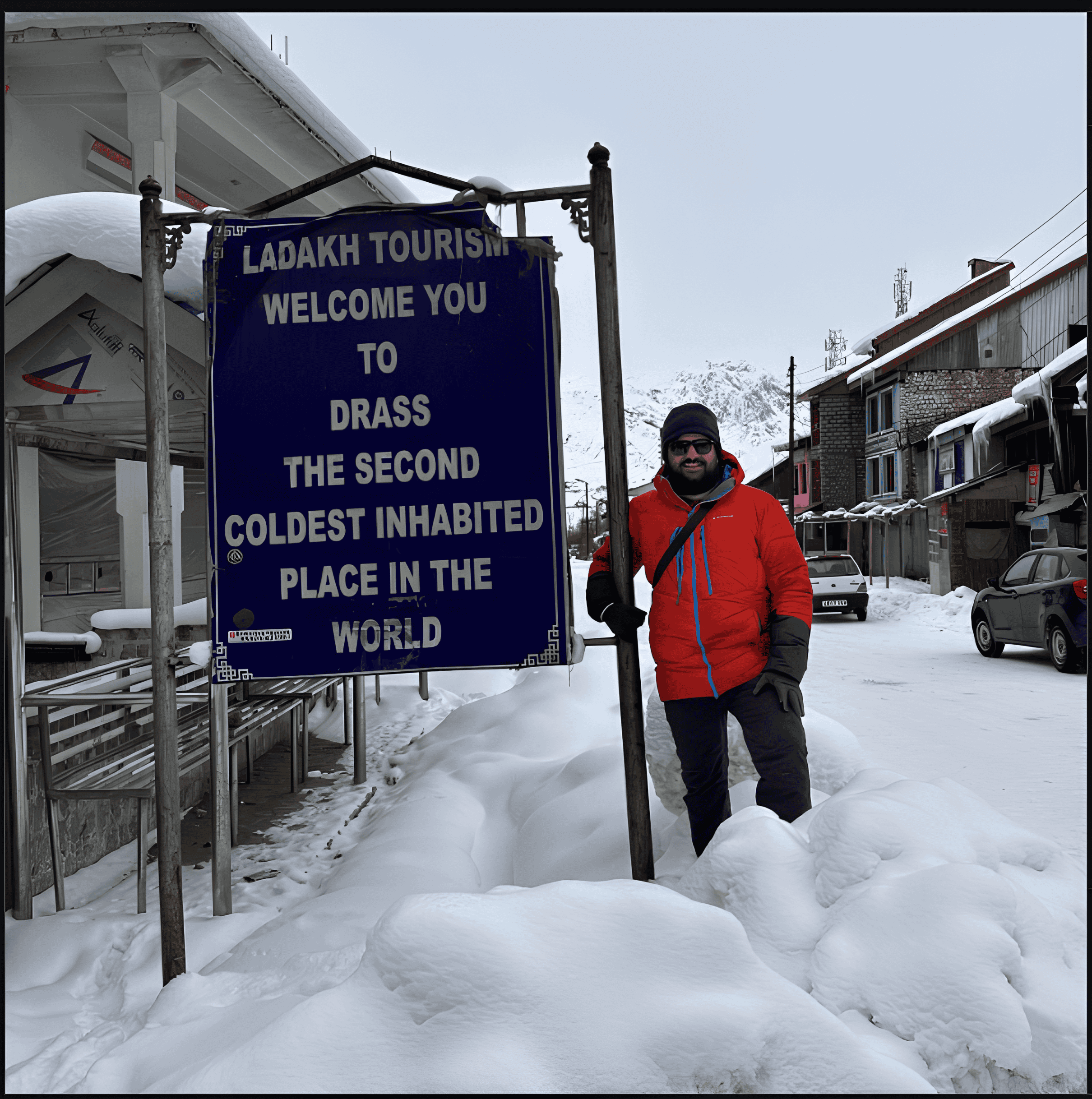
Tucked deep in the western reaches of Ladakh, Drass is widely known as the second coldest inhabited place on Earth, surpassed only by parts of Siberia. Winters here are not merely cold but defining, shaping both landscape and life. Temperatures routinely plunge far below freezing, and in 1995, Dras recorded an extreme low of around −60°C, a figure that has since become central to its global reputation.
Often described as the “Gateway to Ladakh,” Dras sits along the Srinagar–Leh highway, serving as one of the first major settlements encountered after crossing the Zoji La Pass. This location has made it a natural threshold between Kashmir and Ladakh, where cultural influences shift, and the terrain grows increasingly stark. The town occupies a high-altitude valley surrounded by rugged mountains that remain snowbound for much of the year, lending the region a raw and austere beauty.
The Dras River flows quietly through this dramatic setting, sustaining agriculture during the brief summer months and anchoring settlements in an otherwise unforgiving environment. Fed by snowmelt, the river is essential to local life, supporting barley fields, grazing land, and daily water needs.
Dras is also strategically significant, positioned close to the Line of Control and historically important for both trade and defence. Its geography has shaped not only climate and livelihoods but also history, turning this remote valley into a place of enduring relevance. In Dras, nature, strategy, and survival intersect, creating a destination defined as much by resilience as by cold.
Life in Extreme Cold
Life in Drass is shaped by winters that can last more than half the year, with temperatures remaining well below freezing for months at a stretch. To endure these conditions, local communities rely on knowledge refined over generations. Homes are built with thick stone or mud walls that retain heat, and interiors are designed to keep warmth contained within smaller living spaces. Traditional wood and coal-fired stoves remain central to daily life, providing both heat and a means to cook nourishing meals.
Clothing is equally purposeful. Heavy woollen garments, layered pherans, gloves, and insulated footwear are essential, often handmade or locally sourced. Food preparation follows the rhythm of the climate. Supplies are stored well in advance of winter, with dried meats, grains, and preserved vegetables forming the backbone of cold-season diets when fresh produce becomes scarce.

Winter also brings isolation. Heavy snowfall frequently cuts off road access, particularly when the Zoji La Pass closes, leaving Dras disconnected for weeks at a time. During these months, community resilience becomes vital. Neighbours rely on one another for shared resources, assistance, and companionship. Social bonds strengthen as families gather indoors, sharing stories, prayers, and meals that offer comfort against the long, silent nights.
Despite the challenges, life continues with quiet determination. Children attend local schools whenever possible, farmers tend livestock in sheltered areas, and daily routines adapt rather than halt. In Dras, survival is not dramatic but steady, rooted in patience, cooperation, and an intimate understanding of the land.
Historical Significance
Though modest in size, Dras has long held strategic and historical importance due to its location on ancient movement corridors between Central Asia, Kashmir, and the Ladakh plateau. For centuries, traders, travellers, and caravans passed through this high-altitude valley, using it as a vital stop along routes that connected cultures, commodities, and ideas. Its position near the Zoji La Pass made Dras a natural gateway, as well as a point of control over access into Ladakh.
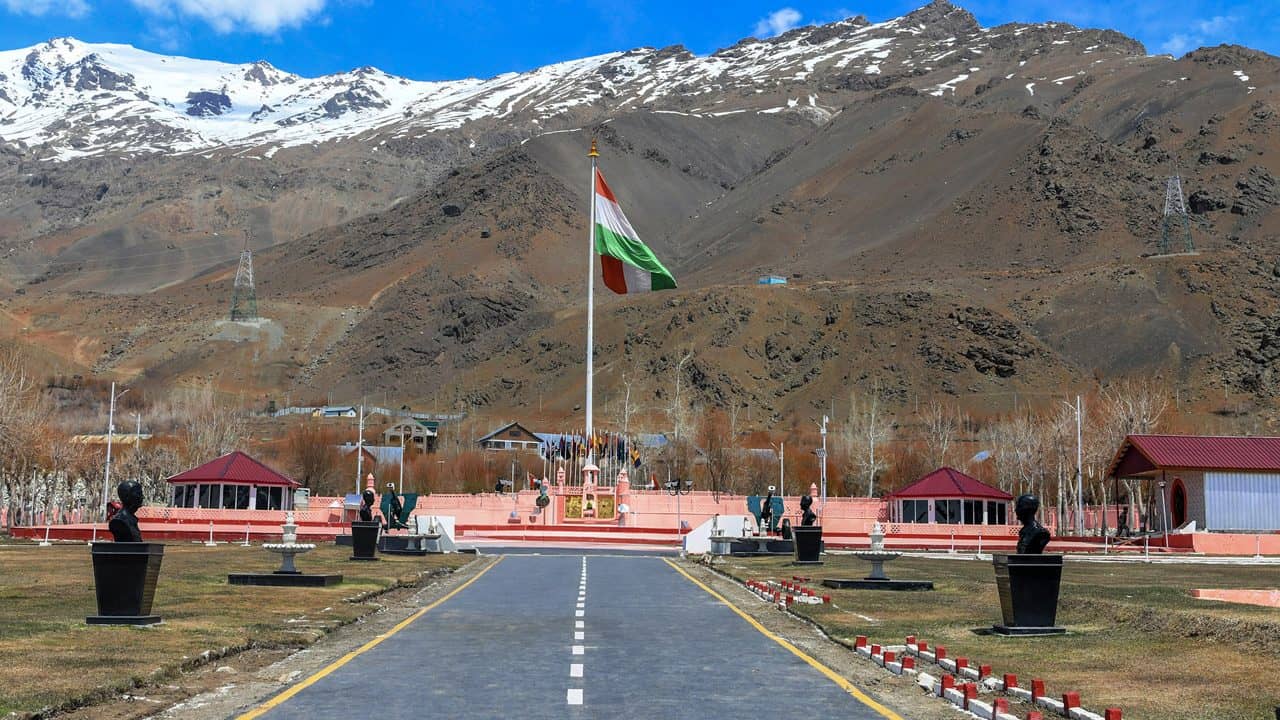
In more recent history, Dras came into sharp national focus during the 1999 Kargil War. The surrounding heights, including Tiger Hill and Tololing, became key battlegrounds, with the region witnessing intense fighting under extreme weather conditions. The conflict left a deep imprint on the landscape and on collective memory, transforming Dras into a symbol of courage and sacrifice.
Today, this legacy is preserved through memorials and local narratives that honour those who served. History in Dras is not confined to textbooks or monuments alone. It is present in the terrain, in the stories shared by residents, and in the continued strategic relevance of this remote valley. The past here remains closely tied to geography, resilience, and national identity.
Culture and Local Life
Life in Dras reflects a quiet blend of geography, faith, and tradition shaped by isolation and altitude. The local population is largely Balti and Dardic in origin, with cultural influences that bridge Ladakh and Kashmir. Language, dress, and customs carry echoes of both regions, creating a distinct identity rooted in the mountains.
Religion plays a central role in everyday life. Mosques serve not only as places of worship but also as spaces for community gathering and collective decision-making. Festivals and religious occasions are observed with simplicity and sincerity, often marked by shared meals and communal prayers rather than elaborate celebrations.
Daily routines revolve around the seasons. Summers are a time of activity, when families cultivate barley, tend livestock, and prepare supplies for the long winter ahead. Winters, by contrast, draw life indoors. Families spend extended hours together, sharing stories, repairing tools, and preserving cultural memory through oral traditions.
Hospitality in Dras is understated yet deeply felt. Visitors are welcomed with warmth that contrasts sharply with the climate, often offered butter tea or simple home-cooked meals as a gesture of goodwill. Social bonds are strong, forged through mutual dependence in a harsh environment where cooperation is essential.
Despite modern influences slowly reaching the region, local life in Dras remains grounded in tradition, resilience, and an enduring respect for nature. Culture here is not performed for visitors but lived quietly, shaped by necessity and continuity.
Cuisine: Food for Extreme Weather
In Dras, food is closely tied to survival, warmth, and sustenance rather than indulgence. The local cuisine is designed to meet the demands of extreme cold, relying on high-energy ingredients, slow cooking, and dishes that provide lasting warmth through long winters.
Butter tea, locally known as gur gur chai, is a daily staple. Made with tea leaves, salt, butter, and milk, it helps retain body heat and provides essential calories. It is often the first offering to guests, reflecting both practicality and hospitality. Thukpa, a hearty noodle soup filled with vegetables or meat, is another winter essential, commonly eaten for breakfast or dinner.
Traditional breads such as khambir and tigmo form the backbone of many meals. These dense, fermented breads are filling and often served with butter tea or simple stews. Sku, a thick stew made with wheat dough pieces, vegetables, and meat, is especially popular during colder months when slow-cooked meals are preferred. Chhurpi, dried yak or cow cheese, is consumed in small quantities and valued for its long shelf life.
Apricots grown during the short summer season are carefully preserved, often turned into jams that provide nutrition and flavour during winter. Early mornings in local bazaars reveal vendors serving hot tea, bread, and simple snacks to travellers and residents before the day begins in freezing air.
Adventure and Activities
Adventure in Dras is shaped by its raw terrain and extreme climate, appealing to travellers who seek experiences beyond the ordinary. The region offers several trekking routes that wind through high-altitude valleys, remote villages, and mountain passes. These trails provide sweeping views of the surrounding peaks and allow close encounters with Ladakh’s stark natural beauty, especially during the short summer window when the landscape briefly softens.
Camping is another rewarding experience, particularly in nearby valleys and meadows where clear skies reveal brilliant night stars. The silence of the mountains, broken only by wind and flowing streams, adds a powerful sense of isolation and reflection. Camps in and around Dras are best suited for those prepared for cold nights even in summer.
Winter transforms the region into a landscape of snow and ice, opening opportunities for limited winter sports and snow-based activities for experienced adventurers. While not a commercial winter sports hub, the area attracts explorers interested in snow trekking and endurance travel.
Activities in Dras are less about thrill and more about immersion. Each experience is shaped by altitude, weather, and the unfiltered Himalayan environment.
Accommodation and Logistics
Staying in Dras is a simple and grounded experience, reflecting the region’s remote setting and climatic realities. Accommodation options are limited but welcoming, consisting mainly of small guesthouses, basic hotels, and family-run homestays. These stays prioritise warmth, clean bedding, and home-cooked meals over luxury, offering travellers a genuine glimpse into local life. In winter, availability becomes even more restricted, and advance planning is essential.
Dras lies on the Srinagar–Leh highway and is most easily accessed by road. The town is approximately 60 kilometres from Kargil and around 140 kilometres from Sonamarg. Travel is heavily dependent on weather conditions, particularly at the Zoji La Pass, which often closes during winter due to heavy snowfall. As a result, the best time to visit is between late May and early October, when road connectivity is stable, and temperatures are relatively moderate.
Travellers should prepare carefully for high-altitude and cold conditions. Warm clothing, sturdy footwear, and basic medicines are essential. Mobile connectivity is limited, and internet access can be unreliable, making it advisable to plan logistics in advance. In Dras, preparation is not optional but integral to a safe and comfortable journey.
Strength Forged in Silence
Dras is often introduced through numbers and superlatives, its reputation shaped by record-breaking cold and remote geography. Yet, beyond its extreme temperatures, the town reveals a deeper narrative of endurance and quiet strength. Life here unfolds in close conversation with nature, where survival depends on patience, preparation, and collective support.
The landscape is stark but deeply compelling, marked by snowbound mountains, open valleys, and rivers that sustain life during brief summers. History, too, is etched into the terrain, reminding visitors of Dras’ strategic importance and the sacrifices made in its defence. Culture and cuisine reflect a way of life refined by necessity, offering warmth and nourishment in both literal and emotional forms.
For travellers, Dras is not a destination of spectacle but of substance. It appeals to those drawn to places where stories are lived rather than staged, and where resilience defines identity. In its silence, severity, and sincerity, Dras stands as a powerful reminder of human adaptability. The cold here is unrelenting, yet the spirit of the place remains unmistakably alive.
Read More: Latest