

Goa Tourism’s story of paradise, progress and the price of success
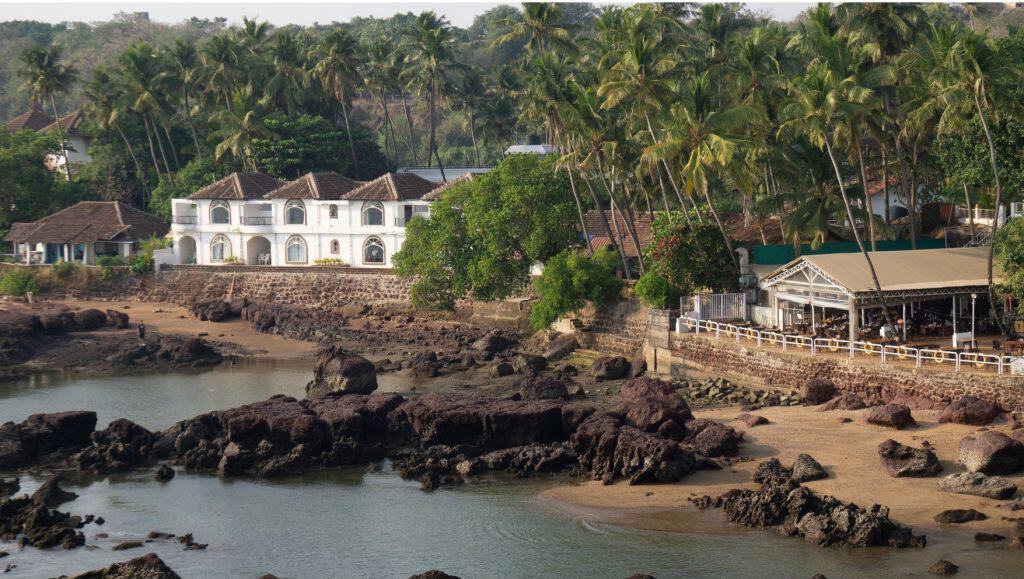
Goa’s story today can be measured in numbers, but understood only through memory. In 2000, Goa received 12,68,513 tourists, including 9,76,804 domestic visitors and 2,91,709 foreign visitors. By 2025, that annual figure had climbed to 1,08,02,410 arrivals, with domestic tourism forming the overwhelming majority of the total.
The momentum has continued. Between January and May 2026 alone, Goa welcomed 46,39,165 visitors, with May recording nearly 9.7 lakh arrivals. The state’s two-airport network, expanding accommodation base and broader tourism experiences have kept demand strong across seasons.
Tourism is no longer one part of Goa’s identity. It is one of the pillars of its economy. The sector directly contributes 16.43% to the state’s GDP and employs around 35% of its population. These figures show the scale of success. They also reveal the scale of responsibility.
Because behind every arrival number is a road used, a beach shared, a village changed, a home converted, a memory made, and sometimes, a way of life quietly altered.
The Goa That Became Personal
There are places we visit, and there are places that become part of our lives.
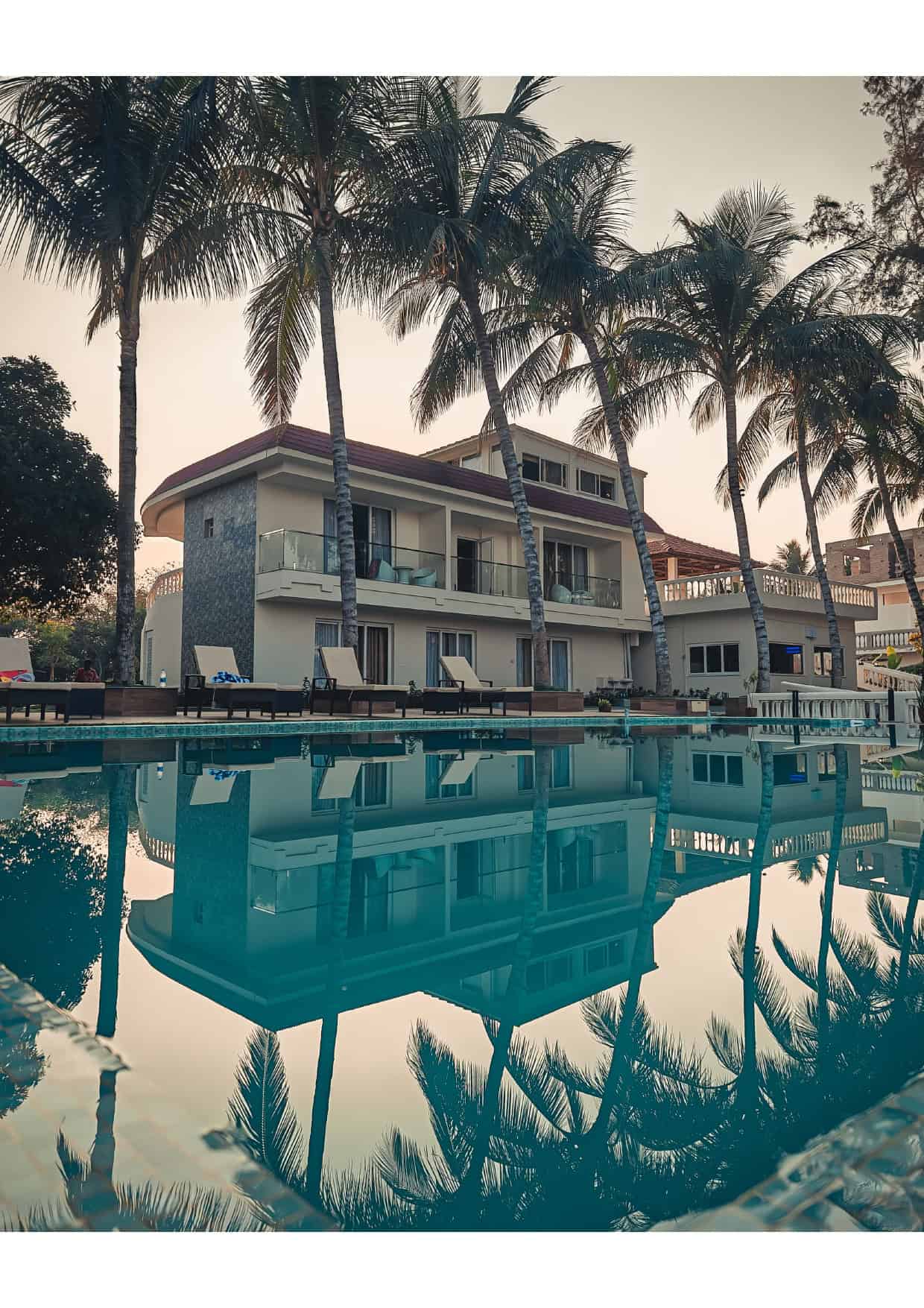
Goa, for me, has always been the latter.
The first time I arrived in Goa professionally in the year 2000, the state felt less like a tourist destination and more like a way of life. The airport was modest, the roads were quieter, and tourism had not yet become the dominant force that shaped every conversation about the state. There was a gentleness to Goa that was difficult to describe but impossible to ignore.
Back then, Goa welcomed approximately 12 lakh visitors annually. Today, that number exceeds one crore. Statistics tell us how much Goa has grown. What they cannot tell us is what Goa felt like before the transformation began.
When Goa Still Had Time
The Goa I remember was a place where people still had time.
Time for conversation.
Time for community.
Time for strangers.
One of the most remarkable aspects of Goa was not its beaches, churches or sunsets. It was its people. A visitor could stop in a village and be welcomed with a warmth that felt genuine rather than transactional. It was not uncommon to be invited into a local home for coffee. Conversations often lasted longer than intended. People wanted to know where you came from, what brought you to Goa and whether you planned to return.
Many visitors did.
Year after year.
The Travellers Who Came Back Every Winter
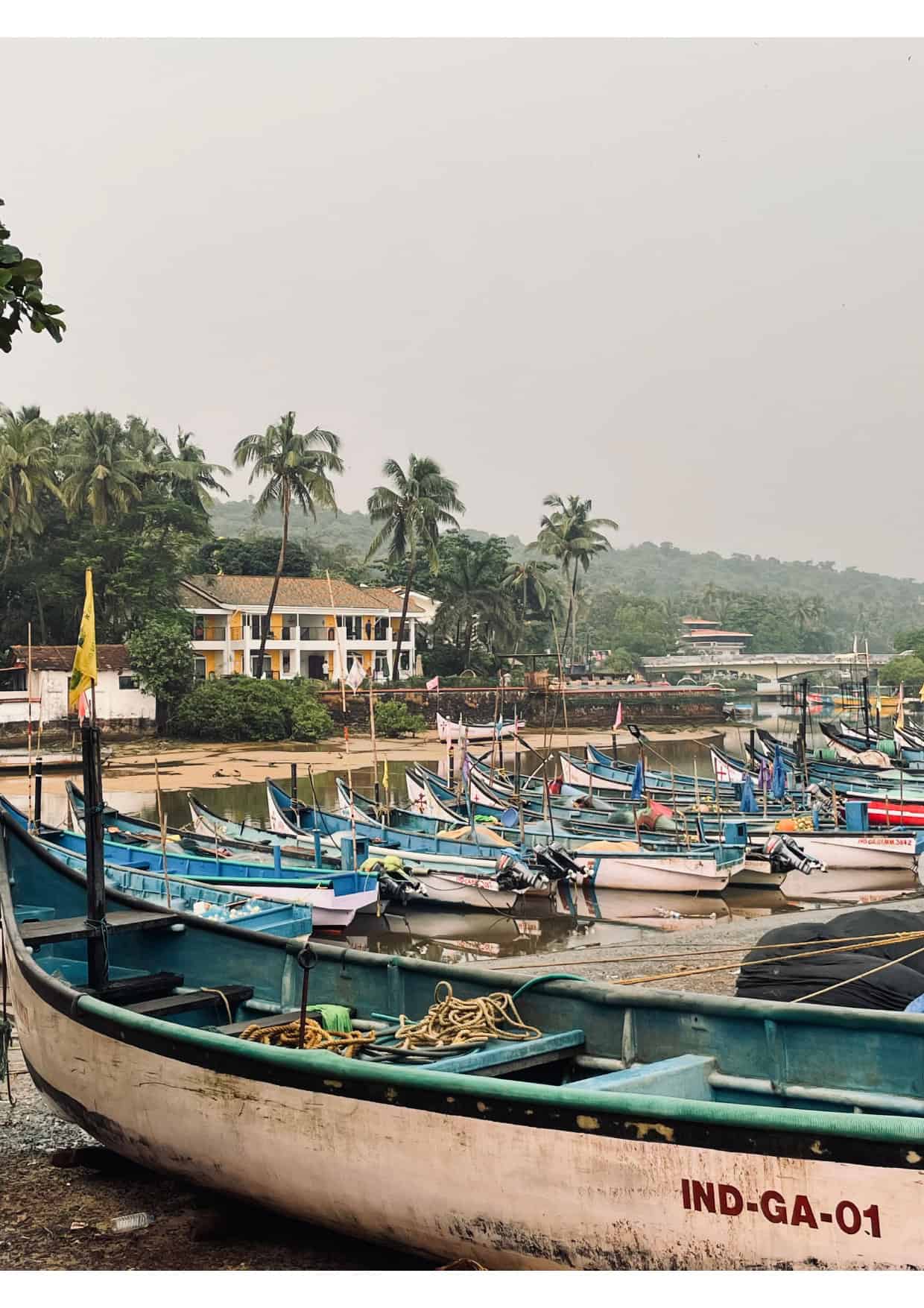
Some arrived from Germany, escaping the European winter. Others came from the United Kingdom, France, Italy and Scandinavia. They did not merely holiday in Goa; they lived in Goa. They rented village homes for months at a time. They bought bread from the same bakery every morning, greeted the same fishermen returning from the sea and developed friendships that lasted decades.
Long before the phrase “experiential travel” entered tourism vocabulary, Goa was quietly delivering exactly that.
The destination offered something modern tourism increasingly struggles to provide: authenticity.
Everyday Life as the Real Attraction
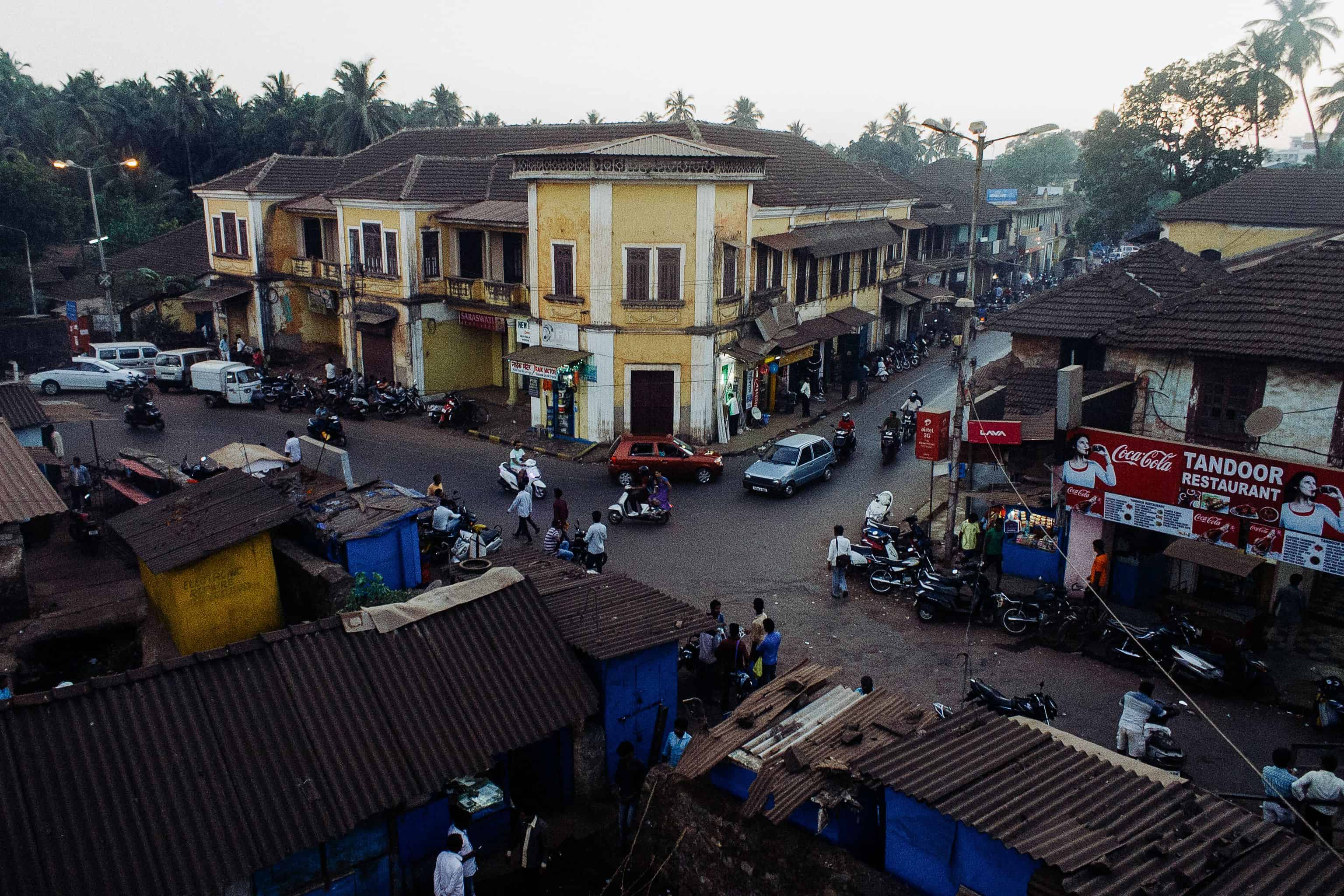
Life revolved around village squares, local markets and community gatherings. The legendary Mapusa Market was not simply a place to shop. It was a place to observe life. Farmers arrived before sunrise with fresh produce. Fishermen displayed their catch. Spice sellers, bakers, artisans and traders created a sensory experience that no luxury resort could replicate.
Goa’s culture was equally captivating.
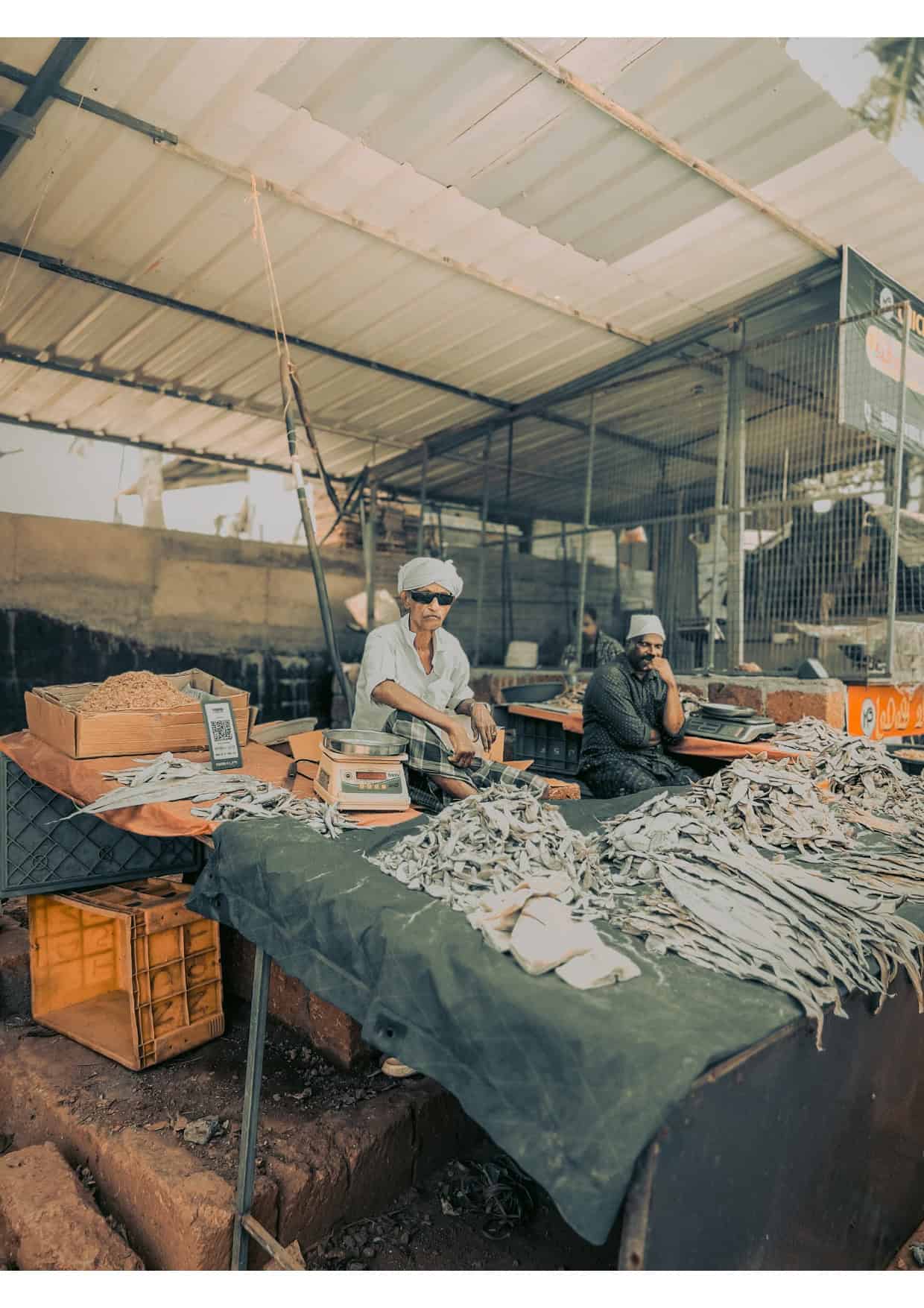
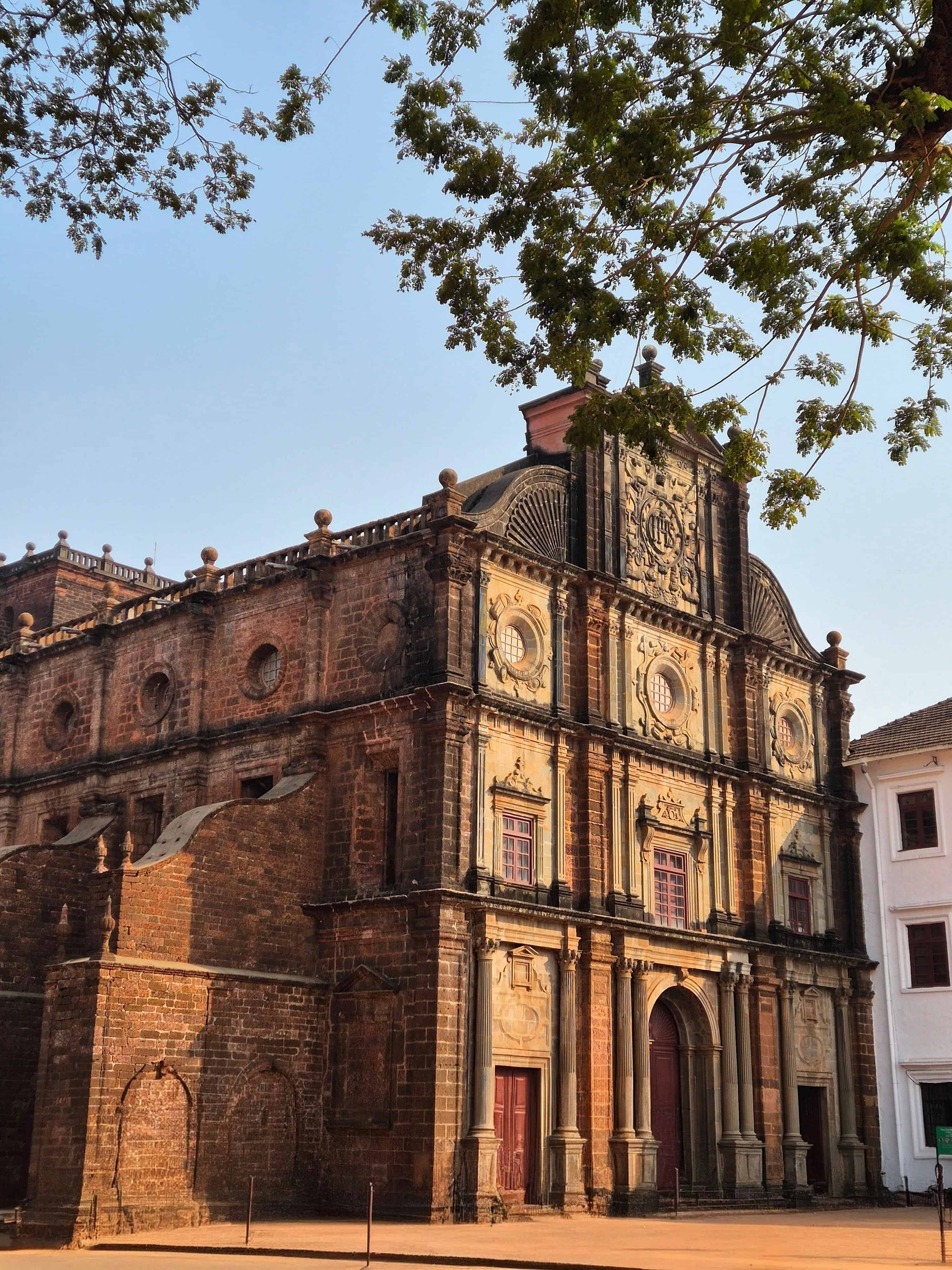
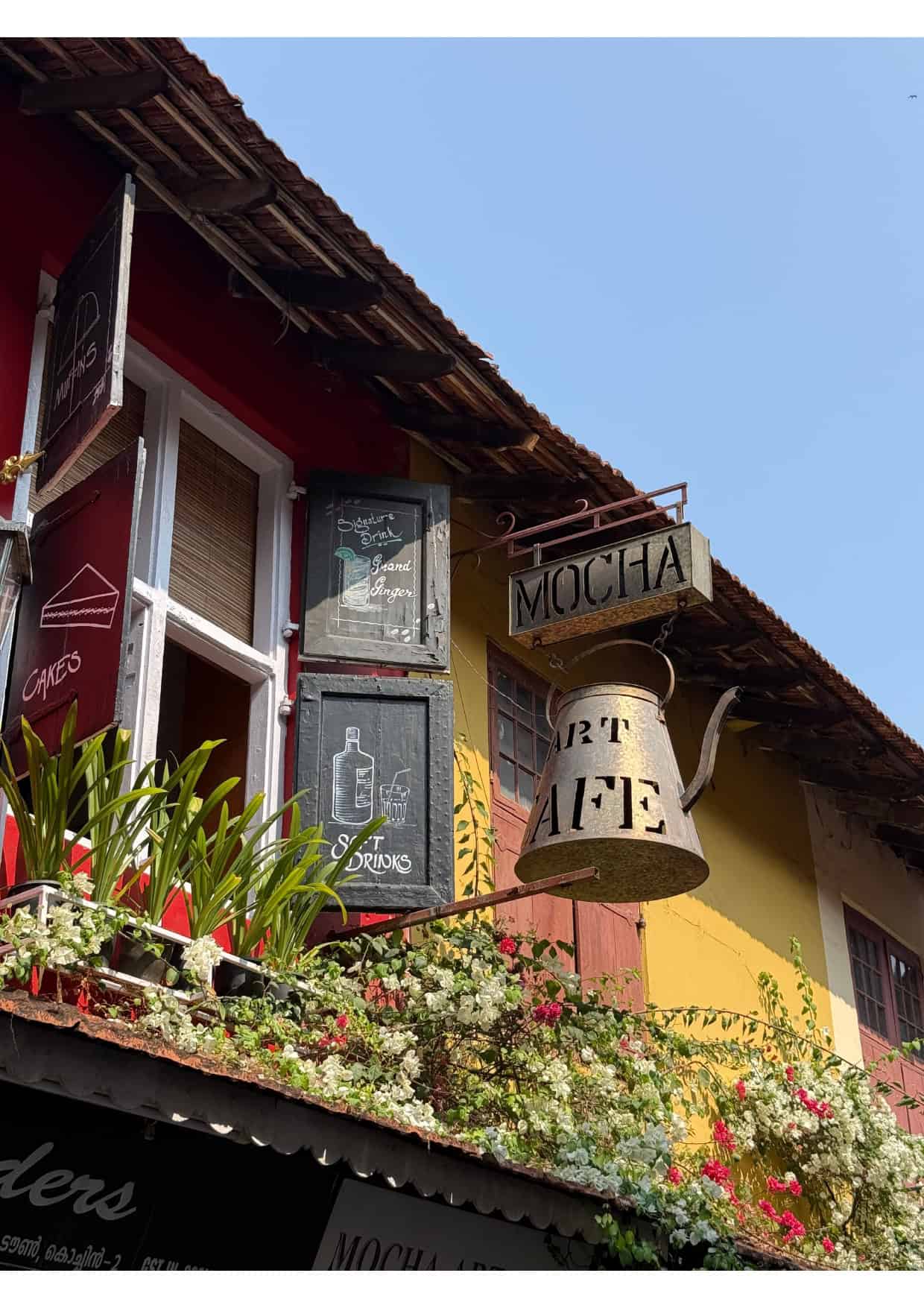
The state possessed a unique identity shaped by centuries of Portuguese influence and Indian traditions. Whitewashed churches stood proudly alongside temples. The sound of Konkani conversations mixed effortlessly with music drifting from neighbourhood taverns. Village feasts, local festivals, Carnival celebrations and family gatherings gave Goa a character unlike anywhere else in India.
A Culture Served at the Table
Goa’s cuisine reflected this cultural richness. Every meal told a story. Seafood arrived directly from the sea. Traditional recipes passed from one generation to another preserved the flavours of old Goa. Meals were less about dining and more about gathering.
Foreign visitors fell in love with this Goa.
Not because it was inexpensive.
But because it felt real.
When Popularity Became Acceleration
As the new millennium progressed, however, Goa’s popularity accelerated at an extraordinary pace. Improved air connectivity, charter operations, digital booking platforms and rising domestic incomes transformed Goa into India’s most recognisable leisure destination.
Tourism became one of the state’s greatest economic success stories.
Hotels multiplied.
Guest houses expanded.
Homestays emerged.
Villas appeared.
International hotel brands arrived.
Developers discovered an opportunity.
Investors discovered Goa.
And tourists arrived in ever-increasing numbers.
From Tourism Development to Tourism Consumption
What began as tourism development gradually evolved into tourism expansion.
Then tourism consumption.
Beautiful Portuguese homes that once housed generations of Goan families became boutique hotels. Family residences became guest houses. Guest houses evolved into luxury villas. Entire neighbourhoods slowly transformed into hospitality inventory.
The change created prosperity. Thousands of livelihoods benefited. New businesses flourished. Property values increased dramatically.
Yet every success story contains a question that eventually demands an answer.
What happens when a destination becomes too successful?
The Pressure Beneath the Paradise
The answer is visible across Goa today.
The coconut groves that once framed quiet village roads now compete with construction projects. Traffic has become part of daily life. Areas that once felt secluded are now crowded. Open spaces have diminished. Beaches that once offered solitude often struggle with volume.
The challenge facing Goa is not tourism itself.
The challenge is what happens when growth outpaces stewardship.
Why Affluent Travellers Are Looking Elsewhere
Perhaps this explains why a growing segment of affluent travellers are exploring destinations such as Mauritius, the Maldives and Fiji. Contrary to popular belief, they are not leaving Goa in search of luxury. Goa has luxury in abundance.
What they seek is something else.
Space.
Privacy.
A sense of discovery.
Ironically, these are the very qualities that Goa once offered naturally.
The emergence of villa tourism reflects this shift in traveller behaviour. Increasingly, families, entrepreneurs, global executives and high-net-worth individuals are choosing private villas over traditional hotels. They seek experiences that feel personal rather than standardised. They seek connection rather than consumption.
In many ways, villa tourism represents both an opportunity and a warning for Goa.
Done responsibly, it can preserve heritage homes, support local communities and distribute tourism beyond crowded hotspots.
Done carelessly, it risks repeating the same cycle that transformed many parts of the state over the past two decades.
As I reflect on Goa’s journey since 2000, I often think about the conversations I had with local families during those early years. I remember sitting on verandas shaded by coconut trees. I remember being offered coffee by people I had only just met. I remember villages where everyone knew everyone else. I remember a Goa that felt comfortable with itself.
Tourism has brought prosperity to Goa, and that achievement deserves recognition.
But prosperity alone cannot define the future of a destination.
The real question facing Goa today is not how many more visitors it can attract.
The real question is whether future generations will still experience the Goa that made millions of travellers fall in love with it in the first place.
Because Goa’s greatest asset was never its beaches.
It was never its hotels.
It was never its nightlife.
Its greatest asset has always been its soul.
And somewhere between progress and prosperity, that soul deserves to be protected.
For once, it is lost; no amount of investment, marketing or development can bring it back.
The world does not need another beach destination.
The world needs Goa to remain Goa.
About the Author
Shobu John Mathew is a distinguished hospitality leader with over 36 years of experience across Sales, Marketing, Revenue, Distribution, Operations Excellence, Brand Positioning, and Strategic Growth.
Read more – Discover Your India