

Some of the best places to visit in September in India reveal the country at its most beautiful season: the monsoon greens linger, Himalayan skies clear, and autumn approaches the north.
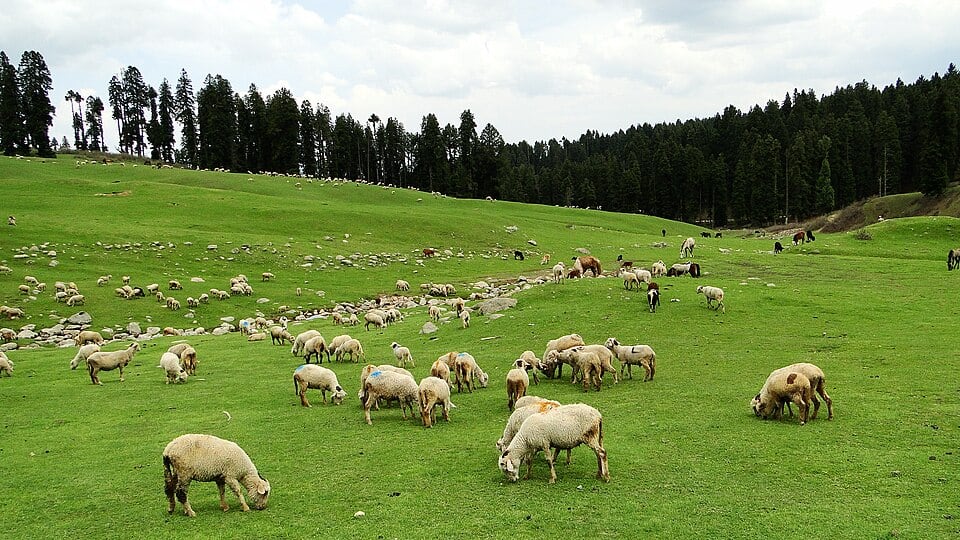
September is a month of misty coffee estates, replenished lakes, high-altitude road trips, harvest landscapes and festivals that add colour to the journey. With lighter crowds in many destinations and nature still wearing its post-rain freshness, September offers a compelling window to explore India differently. September catches India between seasons, making it one of the most interesting months to travel.
The southwest monsoon is slowly retreating, leaving forests washed clean, waterfalls running strongly, and lakes restored after summer. In the Himalayas, the brief high-altitude travel season is approaching its final act before winter. Rajasthan looks unexpectedly green, coffee country disappears beneath wandering mist, and in the Northeast, music and indigenous culture add another reason to follow the changing weather.
The best places to visit in September in India are therefore not united by one climate. Ladakh may deliver crystalline mountain light while Coorg wakes under rain clouds. Goa is still tropical and wet, Spiti is already preparing for cold nights, and Kashmir is beginning its slow transition towards autumn.
What they share is timing. September lets you see familiar destinations behaving differently. Here are ten journeys worth making, with the places, shrines, flavours, markets, and experiences that deserve a place on the itinerary.
Ladakh: Autumn arrives at altitude
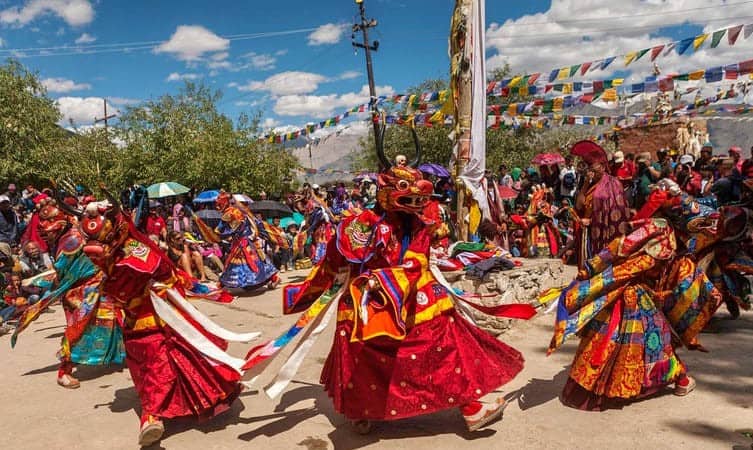
September gives Ladakh a particular clarity. Summer’s busiest weeks begin fading, the skies can turn intensely blue, and the first touches of autumn appear among the poplars and willows around Leh.
What to see
Top Attractions
- Leh Palace, whose nine-story silhouette watches over the old town, is a great place to start, before climbing to Shanti Stupa for broad views across the valley. Leh’s lanes and markets are worth exploring slowly, particularly in the evening, when cafés, bakeries and small handicraft shops bring the town alive.
- Pangong Tso: One of Ladakh’s most arresting landscapes, Pangong Tso is a vast high-altitude lake known for waters that appear to shift between shades of blue, turquoise, and steel through the day. The lake extends across the India-China border and is surrounded by stark mountains that heighten its otherworldly setting.
- Nubra Valley: Reached through spectacular mountain roads, Nubra is known for its unusual combination of cold-desert scenery, river valleys, and sweeping sand dunes. Around Hunder, travellers can also see the region’s distinctive double-humped Bactrian camels, a reminder of Ladakh’s historic links with old Central Asian trade routes.
- Thiksey and Hemis Monasteries: These important Buddhist monasteries offer an intimate look at Ladakh’s spiritual and cultural traditions. Thiksey is particularly striking for its tiered hilltop setting and large Maitreya Buddha, while Hemis is among the region’s most significant monastic centres, known for its religious heritage, art and annual festival.
- Khardung La: High above Leh, Khardung La is one of Ladakh’s most celebrated mountain passes and forms part of the route towards Nubra Valley. The drive itself is the attraction, with dramatic high-altitude scenery, changing weather and expansive Himalayan views.
- Hanle: Remote, sparsely populated, and exceptionally dark after sunset, Hanle has emerged as one of India’s most exciting destinations for astronomy and astro-tourism. Its clear skies and minimal light pollution make it an exceptional place for stargazing, while the nearby Hanle Monastery adds a cultural dimension to the journey.
Popular Activities
- Motorbiking and Cycling: Ladakh’s winding mountain roads, dramatic passes, and long stretches through stark wilderness make it a dream destination for road adventurers. Routes linking Leh with Nubra, Pangong, and other valleys are particularly popular, though altitude and road conditions demand preparation.
- Trekking: Ladakh offers routes ranging from village-to-village walks to demanding high-altitude expeditions. Check weather conditions before going for a trek. The Markha Valley Trek is among the best known for its combination of mountains, monasteries, and remote settlements. The celebrated Chadar Trek, however, is a winter experience undertaken over the frozen Zanskar River, not a September activity.
- Cultural Exploration: Some of Ladakh’s most memorable experiences come from slowing down in its monasteries and villages. Prayer halls, traditional homes, local festivals, and conversations with residents reveal a side of the region that goes well beyond dramatic scenery.
- Wildlife Spotting: Ladakh’s high-altitude ecosystem supports remarkable wildlife, including blue sheep, ibex, marmots, and numerous migratory and resident birds. The elusive snow leopard is the region’s most famous inhabitant, although sightings are far more likely during dedicated winter expeditions.
- Leh’s lanes and markets are worth exploring slowly, particularly in the evening, when cafés, bakeries and small handicraft shops bring the town alive.
Eat, shop and experience
Food: Do not leave Ladakh after eating only momos. Try thukpa, skyu, khambir, butter tea, and dishes built around barley and locally grown vegetables. Apricot juice, jams and preserves are another regional favourite.
Shopping: Leh’s markets are good places to look for pashmina and wool products, thangka paintings, Tibetan-style jewellery, prayer objects, carpets, and apricot products.
Experience: One of the most memorable experiences is waking early enough to hear morning prayers inside a monastery. Ladakh makes much more sense after that.
September travel snapshot
- Leh sits at roughly 3,500 metres, while several popular excursions climb well above 4,000 metres. September days can remain pleasant, but nights become cold, and high-altitude lakes are considerably colder. Rain is generally limited because Ladakh lies in a rain-shadow region.
- Best months: May to September.
- Festival season: September traditionally brings the Ladakh Festival, a vibrant four-day cultural event held annually in Leh and surrounding areas from September 21–24. and presents traditional music, masked dances, polo matches, archery, local food, and heritage.
Spiti Valley: The Himalayas stripped to their essentials
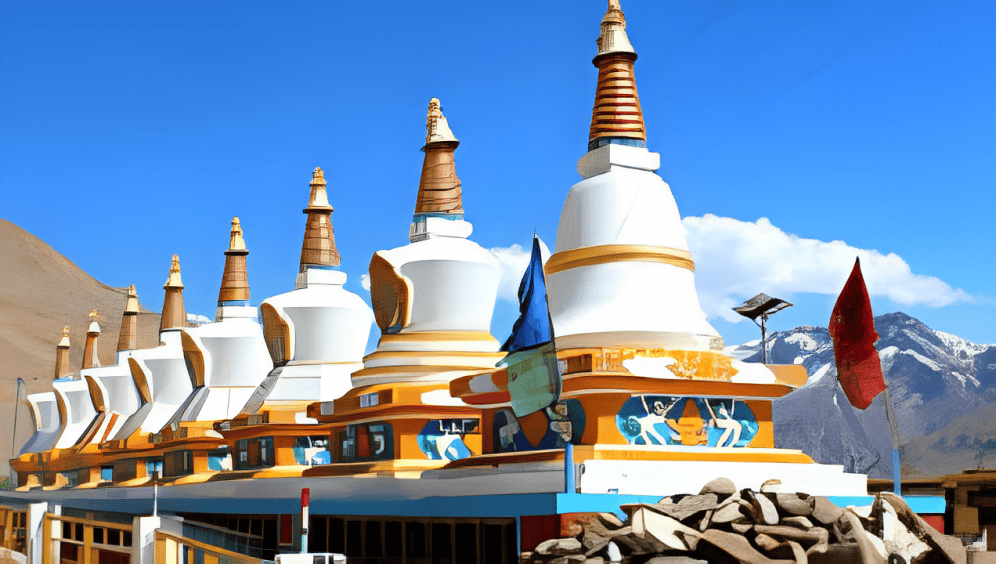
September gives Spiti Valley, Himachal Pradesh a dramatic stillness. The summer rush begins to ease, the skies are often clearer, and the stark brown mountains appear sharper against the deep blue Himalayan sky. Days can still be comfortable in the sun, but nights turn distinctly cold as autumn approaches.
What to see
Top Attractions
- Kaza: The main base for exploring Spiti, Kaza combines small cafés, local markets, monasteries, and easy access to the valley’s high-altitude villages. Spend time walking around rather than treating it as only an overnight stop.
- Key Monastery: Perched dramatically above the Spiti River, Key is one of the valley’s most recognizable Buddhist monasteries. Its prayer halls, ancient manuscripts, murals, and hilltop setting make it both a spiritual center and a superb viewpoint.
- Kibber and Chicham Bridge: Kibber is one of Spiti’s best-known high-altitude villages, surrounded by stark mountain scenery. Nearby, Chicham Bridge spans a deep gorge and has become one of the valley’s most photographed engineering landmarks.
- Langza: Known for marine fossils and extraordinary mountain scenery, Langza is instantly recognizable for the large Buddha statue overlooking the village. The surrounding landscape is particularly beautiful in the clear September light.
- Hikkim: This tiny mountain settlement is famous for its high-altitude post office. Sending a postcard from here has become a favourite Spiti ritual, but the village itself and the drive towards it deserve equal attention.
- Komic: One of Spiti’s highest inhabited villages, Komic feels almost suspended above the valley. Visit Tangyud Monastery, one of the region’s important Buddhist institutions, and take time to absorb the remarkable silence.
- Tabo Monastery: Founded in the 10th century, Tabo is one of the great treasures of Himalayan Buddhism. Its ancient temples, murals, stucco sculptures, and dimly lit interiors give it a very different character from Spiti’s hilltop monasteries.
- Dhankar Monastery: Built high above the confluence of the Spiti and Pin rivers, Dhankar combines sacred history with one of the valley’s finest panoramas. Travellers with sufficient fitness can also consider the walk towards Dhankar Lake.
- Pin Valley: A side journey into Pin Valley brings a softer, more isolated landscape of villages, monasteries, and high-altitude wildlife habitat. The valley is particularly rewarding for travellers interested in nature and slow travel.
Popular Activities
- High-altitude road trips: Driving between Kaza, Tabo, Dhankar, and the villages around Kibber and Komic is one of Spiti’s defining experiences. Road conditions can change quickly, so daily local updates are essential.
- Village stays: Spend a night in Langza, Kibber, Komic, or another village rather than returning to Kaza. Homestays offer a closer look at local food, agriculture, and daily life.
- Monastery visits: Key, Tabo, Dhankar, and Tangyud offer very different expressions of Spiti’s Buddhist heritage. Morning prayers and quieter visiting hours are especially atmospheric.
- Stargazing: Low light pollution and clear, high-altitude skies make Spiti excellent for stargazing. September nights can be exceptionally cold, so warm layers are essential.
- Trekking: Short hikes around villages and monasteries are possible, while more serious routes require planning, guides, and close attention to weather.
Eat, shop and experience
Food: Try thukpa, momos, tingmo, barley-based dishes, local noodles, and seabuckthorn products. Homestay meals are often the best introduction to traditional Spitian food.
Shopping: Look for hand-knitted woolens, socks, caps, local handicrafts, Buddhist souvenirs, and seabuckthorn products. Shopping is small-scale, which is part of the charm.
Experience: Stay overnight in a high-altitude village and step outside after dark. Spiti’s silence and star-filled sky are among its strongest memories.
September travel snapshot
- Kaza sits at roughly 3,650 metres, while Komic, Langza and other villages rise beyond 4,000 metres. Days can be crisp and sunny, but temperatures drop quickly after sunset and may approach freezing later in the month.
- Best months: June to September.
- Festival season: Buddhist monastery festivals follow the Tibetan calendar and vary annually. Travellers should check locally for celebrations at Key, Tabo, and other monasteries.
Ziro Valley: September gets its own soundtrack
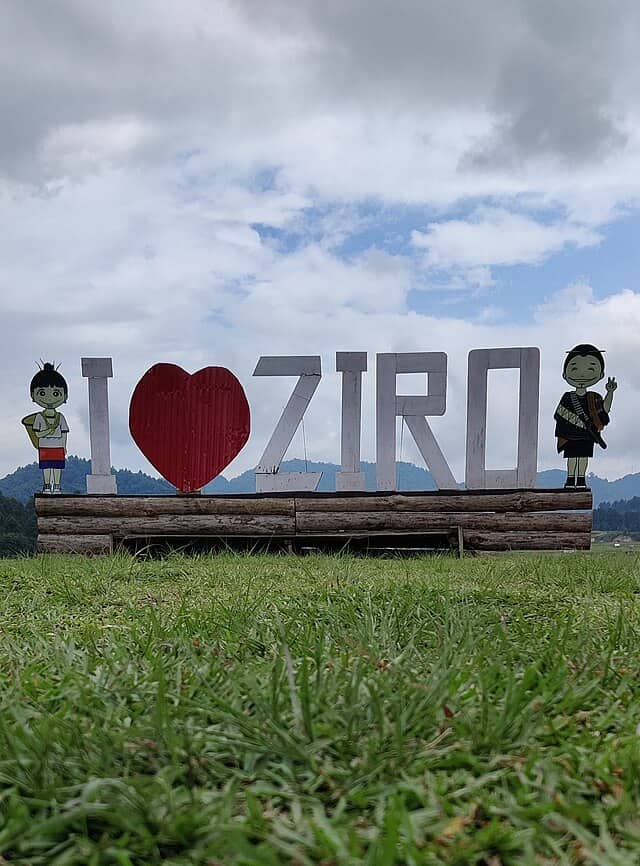
September brings Ziro Valley in Arunachal Pradesh alive in two very different ways. The rain-soaked landscape remains brilliantly green, while the valley’s celebrated music festival brings artists and travellers into a setting of rice fields, pine-covered hills and Apatani villages.
Top Attractions
- Hong Village: One of the best places to understand traditional Apatani settlement patterns, Hong offers a closer look at wooden homes, agricultural practices, and community life.
- Hija and Hari villages: These villages offer another perspective on Apatani culture, traditional architecture and the relationship between farming and settlement in the valley.
- Kile Pakho: A popular viewpoint overlooking the Ziro plateau, Kile Pakho offers sweeping views of rice fields on one side and forested hills on the other.
- Dolo Mando: Another elevated viewpoint, Dolo Mando is particularly rewarding in the early morning or late afternoon when mist and shifting light move across the valley.
- Talley Valley Wildlife Sanctuary: Dense forest, bamboo groves, and rich biodiversity make Talley Valley one of Ziro’s most important nature excursions. It suits travelers interested in trekking, birdlife, and forest landscapes.
- Siddheshwar Nath Temple: Also known as Kardo Mahadev Temple, this Shiva shrine has become an important pilgrimage stop in the area, adding a spiritual dimension to a largely cultural and nature-led journey.
- Apatani paddy fields: The valley’s ingenious paddy-cum-fish cultivation system is not simply a scenic attraction. It represents generations of sustainable indigenous farming and is central to understanding Ziro.
- Ziro Festival grounds: During festival dates, the bamboo stages and open landscape become the centre of one of India’s most distinctive independent music gatherings.
Popular Activities
- Village walks: Exploring Apatani villages with a local guide offers insight into farming practices, architecture, rituals, and community traditions.
- Music and cultural experiences: The Ziro Festival combines contemporary music with local food and crafts, with a strong emphasis on sustainability.
- Nature walks and trekking: Forest trails, rice fields, and the wider Talley Valley area give walkers plenty to explore.
- Photography: September’s green rice fields, misty hills, and village landscapes create some of Ziro’s most beautiful visual conditions.
- Local craft exploration: Bamboo, cane, and weaving remain important parts of local life, and visiting artisans adds depth to the journey.
Eat, shop and experience
Food: Look for bamboo-shoot dishes, smoked or boiled meats, rice preparations, leafy greens, and fermented flavours associated with Apatani cuisine.
Shopping: Ziro is a good place to buy bamboo and cane products, woven textiles, baskets, and handmade tribal crafts directly from local artisans.
Experience: Walk through the rice fields at sunrise, before festival activity and daily traffic begin. Ziro’s quieter side is every bit as memorable as its music.
September travel snapshot
- Ziro lies at roughly 1,500 metres, giving it a milder climate than the surrounding plains. September days are generally in the low-to-mid 20s Celsius, while evenings are cooler. Rain can continue, especially earlier in the month.
- Best months: March to May and September to November.
- Festival season: The Ziro Festival of Music 2026 is scheduled from September 24–27, bringing independent music, art, food, and cultural programming to the valley.
Valley of Flowers: One last Himalayan burst of colour
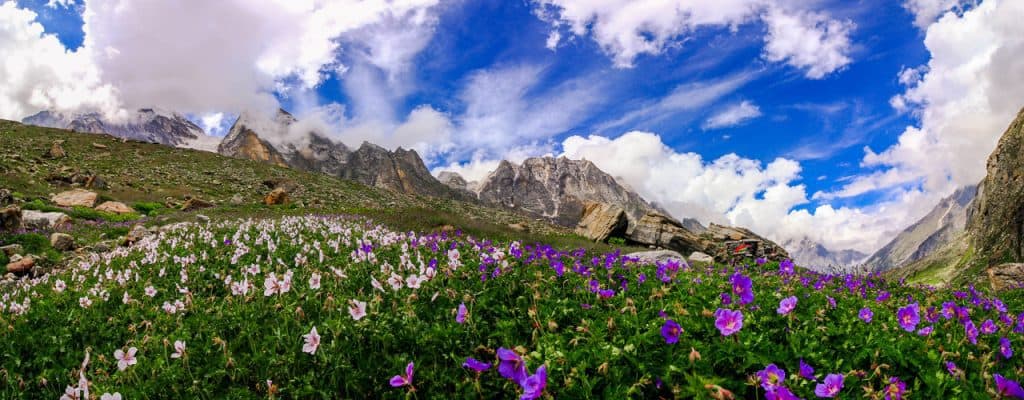
September catches the Valley of Flowers in Uttarakhand near the closing stretch of its short annual season. The peak bloom of July and August begins to soften, but early September can still bring colour, powerful waterfalls and a quieter trail as the monsoon gradually loosens its grip.
What to see
Top Attractions
- Valley of Flowers National Park: The heart of the journey is the protected alpine valley itself, where meadows, streams, waterfalls, and Himalayan peaks form one of India’s most celebrated mountain landscapes.
- Ghangaria: This compact seasonal settlement acts as the base for both the Valley of Flowers and Hemkund Sahib. It is the place to rest, acclimatize, and prepare for the next day’s trek.
- Hemkund Sahib: Set beside a glacial lake at more than 4,000 metres, this revered Sikh shrine is one of the Himalayas’ great pilgrimage destinations. The ascent is steep and considerably more demanding than the trail into the Valley of Flowers.
- Govindghat: The traditional gateway to the trekking route, Govindghat lies beside the Alaknanda and is also an important pilgrimage stop for travellers heading towards Hemkund Sahib.
- Joshimath: An important Himalayan town and pilgrimage centre, Joshimath makes a useful addition to the itinerary and offers access to several temples and mountain routes.
- Badrinath Temple: Travellers with additional time can extend their journey to this revered Vishnu temple, one of the Char Dham pilgrimage sites, subject to road and weather conditions.
- Mana Village: Near Badrinath, Mana offers mountain scenery, mythological associations, and stops such as Vyas Gufa and Bhim Pul.
Popular Activities
- Trekking: Walking into the Valley of Flowers is the principal experience. Start early, carry rain protection and allow plenty of time for changing mountain conditions.
- Pilgrimage to Hemkund Sahib: The steep climb requires stamina and respect for altitude. Horses and porters may be available seasonally, but conditions vary.
- Nature photography: Waterfalls, alpine vegetation, cloud-wrapped peaks, and late-season flowers make September particularly rewarding for photographers.
- Bird and butterfly watching: The broader biosphere supports rich Himalayan biodiversity, although sightings depend on weather and season.
- Sacred circuit travel: Combining Govindghat, Hemkund Sahib, Joshimath, and Badrinath creates a journey that brings nature and pilgrimage together.
Eat, shop and experience
Food: Meals in Ghangaria and Govindghat are simple and warming. Expect dal, rice, parathas, noodles, tea, and North Indian staples. Around Joshimath, look for Uttarakhand dishes such as aloo ke gutke and local lentil preparations.
Shopping: Small woolens, local handicrafts, and regional products are available around the larger towns. Never collect flowers, seeds, or plants from the national park.
Experience: Enter the valley early, before the trail becomes busy. The combination of running water, alpine silence and open mountain space is the real highlight.
September travel snapshot
- Ghangaria lies at about 3,000 metres, while Hemkund Sahib rises beyond 4,000 metres. Daytime temperatures are cool and mornings and evenings can become distinctly cold. Rain remains possible.
- Best months: July and August for peak flowering; early September for lingering blooms and fewer visitors.
- Festival season: The journey is shaped more by the annual pilgrimage season to Hemkund Sahib than by a conventional festival calendar.
Coorg: Coffee country after the rain
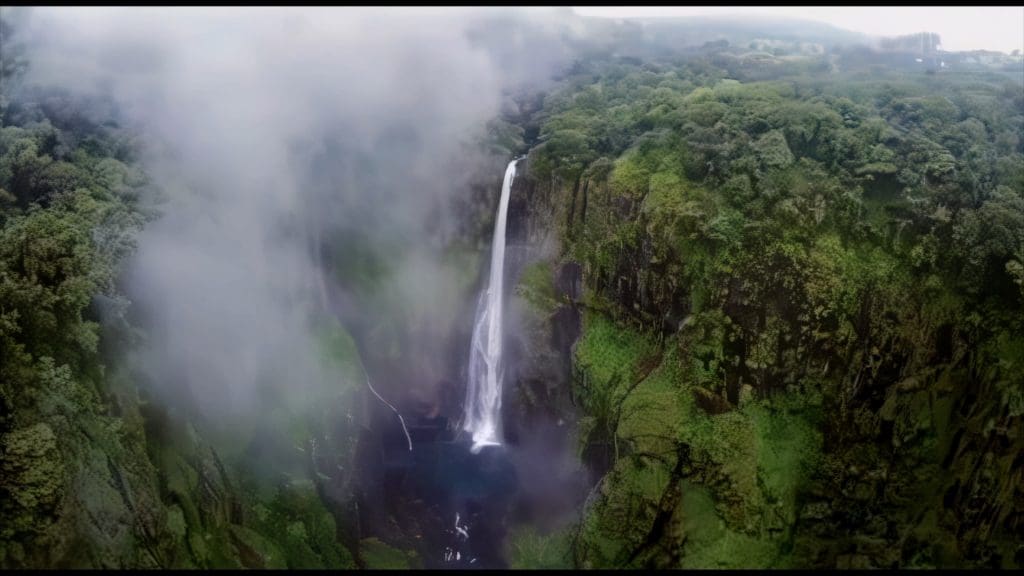
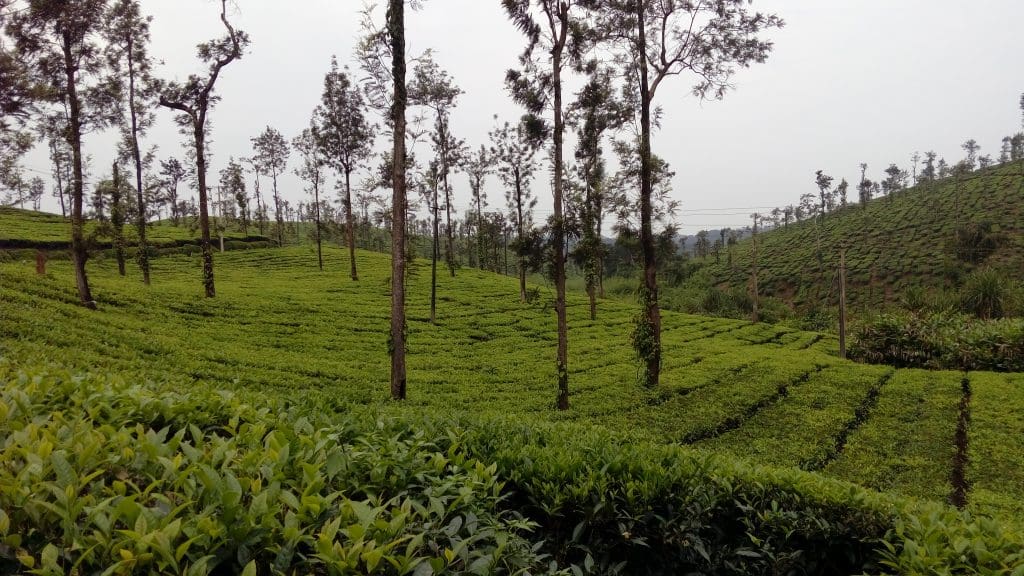
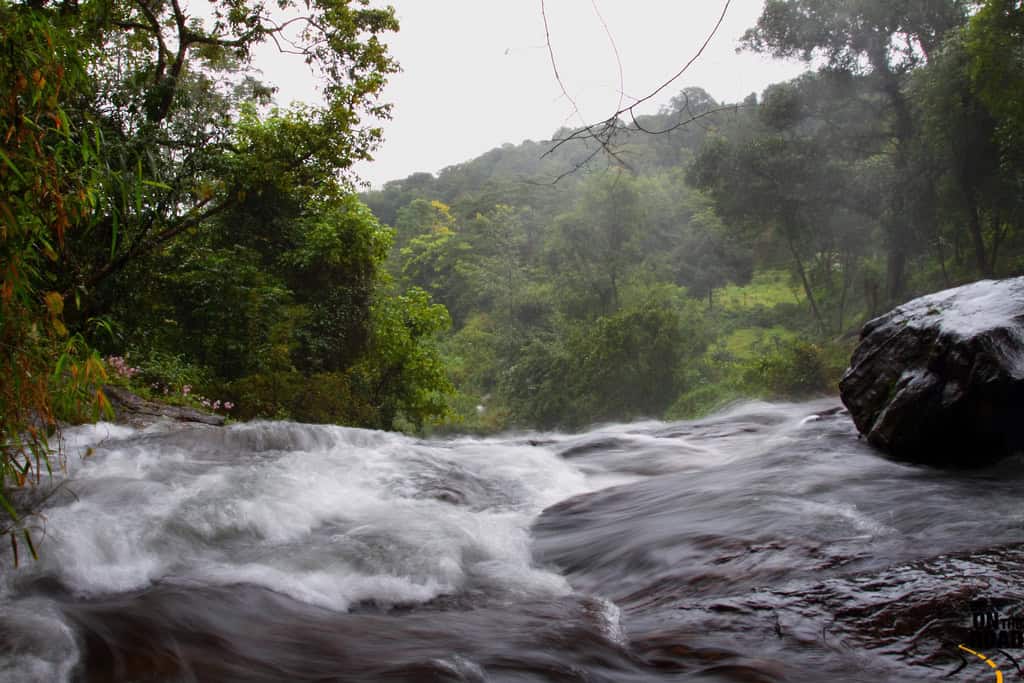
September is when Coorg in Karnataka wears its deepest greens. Coffee estates glisten after showers, streams run full and mist drifts across the Western Ghats, giving the district a slower, more atmospheric character.
Top Attractions
- Raja’s Seat: One of Madikeri’s classic viewpoints, Raja’s Seat looks across layers of hills and valleys. Cloudy September evenings can make the setting particularly dramatic.
- Madikeri Fort: This historic fort adds a layer of regional history to a destination better known for nature and plantations.
- Omkareshwara Temple: Dedicated to Shiva, this temple in Madikeri is known for its distinctive architectural character and peaceful setting.
- Abbey Falls: Surrounded by coffee and spice plantations, Abbey Falls becomes especially forceful after months of monsoon rain.
- Mandalpatti: This hill viewpoint offers wide panoramas of the Western Ghats. Access often involves a rough jeep ride, and weather conditions should be checked before setting out.
- Talacauvery: Revered as the source of the River Cauvery, Talacauvery is an important pilgrimage destination set high in the Brahmagiri hills.
- Bhagamandala: This sacred confluence and temple town form an important part of Coorg’s religious landscape and is often paired with Talacauvery.
- Namdroling Monastery: Located at Bylakuppe near Kushalnagar, this major Tibetan Buddhist monastery is popularly known as the Golden Temple and is known for its large prayer halls, statues, and monastic community.
- Dubare: Set along the Cauvery, Dubare offers riverside scenery and forest experiences, although water-based activities depend on seasonal conditions.
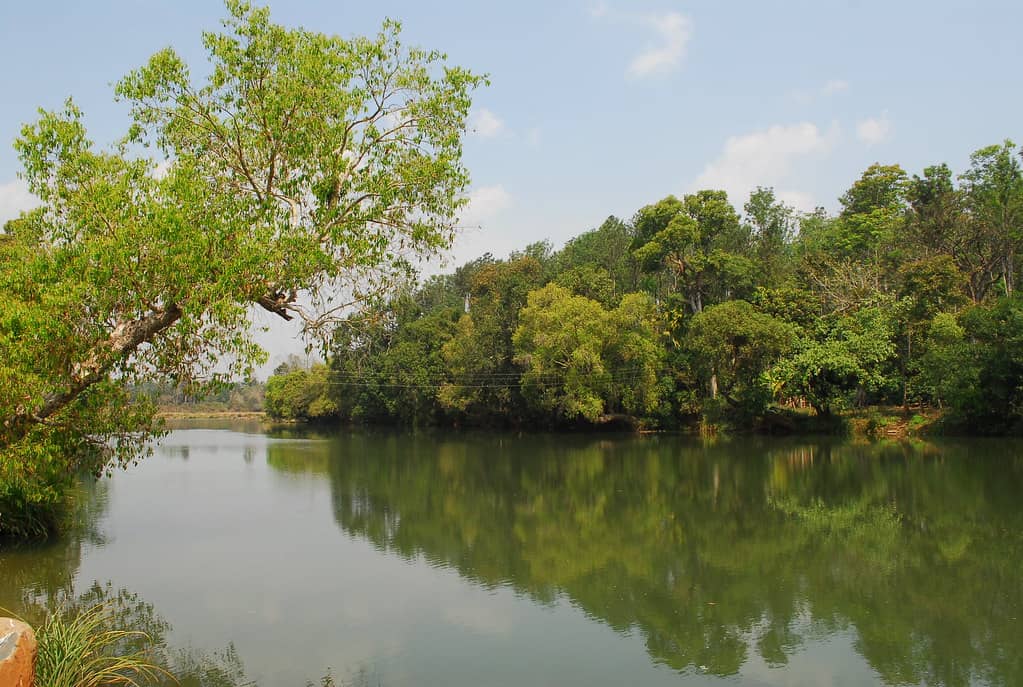
- Nisargadhama: This wooded river island near Kushalnagar makes a pleasant stop for travellers seeking a gentler nature outing.
Popular Activities
- Coffee plantation walks: A guided estate tour introduces travellers to coffee cultivation as well as pepper, cardamom and other crops grown alongside it.
- Waterfall visits: September keeps waterfalls vigorous, though paths can be slippery and caution is essential.
- Jeep rides: Mandalpatti and other hill routes are popular for off-road drives through misty terrain.
- Birdwatching: Coorg’s forests and plantations support a wide variety of birdlife, especially around quieter estate areas.
- Cultural exploration: Kodava food, traditional homes and local festivals offer a strong cultural dimension beyond sightseeing.
Eat, shop and experience
Food: Try pandi curry with kadambuttu, along with noolputtu, akki rotti, bamboo-shoot dishes, and seasonal mushroom preparations.
Shopping: Bring home Coorg coffee, pepper, cardamom, honey, homemade preserves, and plantation spices.
Experience: Join a coffee-estate walk after the rain. The smell of wet soil, coffee leaves, and spices is one of Coorg’s most memorable September signatures.
September travel snapshot
- Madikeri generally sees temperatures in the high teens to mid-20s Celsius. Humidity remains high, and rainfall can still be substantial.
- Best months: October to March for clearer weather; September for waterfalls, mist, and lush plantation scenery.
- Festival season: Kailpodh, associated with Kodava agricultural and martial traditions, is observed around this period, though exact dates and customs vary locally.
Goa: Monsoon green with a side of history

September reveals a Goa that many winter visitors never see. Coconut groves deepen in color, the hinterland looks freshly washed, and sudden showers turn cafés, churches, temples, and long lunches into part of the day’s rhythm.
What to see
Top Attractions
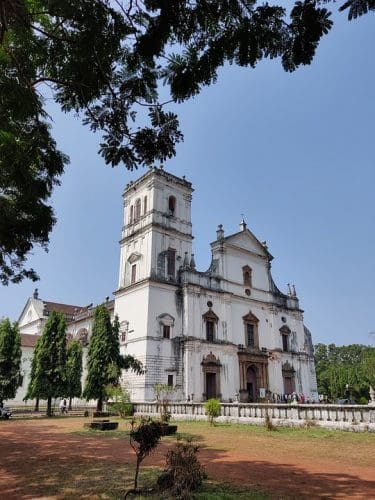
- Basilica of Bom Jesus: One of Old Goa’s most important monuments, the basilica houses the relics of St Francis Xavier and remains an active pilgrimage destination.
- Sé Cathedral: This imposing church stands among the great religious monuments of Old Goa and reflects the region’s layered colonial history.
- Church of St Francis of Assisi: Nearby, this church and former convent add another important stop to the Old Goa heritage circuit.
- Shri Mangueshi Temple: One of Goa’s best-known Hindu temples, Mangueshi is dedicated to Shiva and is celebrated for its whitewashed architecture and lamp tower.
- Shantadurga Temple: Dedicated to the goddess Shantadurga, this temple offers another view of Goa’s Hindu religious and architectural traditions.
- Fontainhas: Panjim’s Latin Quarter is best explored on foot, with colourful houses, narrow streets, old bakeries and small galleries creating one of the state’s most distinctive neighbourhoods.
- Reis Magos Fort: Restored and overlooking the Mandovi River, this fort combines history with excellent views.
- Chapora Fort: Famous for its dramatic position above the coast, Chapora remains one of Goa’s classic sunset viewpoints.
- Divar Island: Quiet lanes, old homes, and river landscapes make Divar a rewarding alternative to Goa’s busier beach belts.
- Beaches: Candolim, Vagator, Anjuna, Baga, Colva and Palolem remain worth visiting, but September sea conditions can be rough and swimming should follow local safety advice.
Popular Activities
- Heritage walks: Old Goa, Panjim, and Fontainhas are ideal for guided walks focused on architecture, food, and history.
- Village drives: September is one of the best times to explore Goa’s green interior, traditional homes, and quieter roads.
- Spice plantation visits: Plantation tours introduce travellers to pepper, nutmeg, cinnamon, and other crops grown in the state’s tropical interior.
- Food trails: Bakeries, taverns, seafood restaurants, and family-run eateries provide a far richer Goa experience than beach dining alone.
- Wellness stays: Rainy days lend themselves naturally to spa treatments, yoga, and slower resort experiences.
Eat, shop and experience
Food: Try Goan fish curry and rice, xacuti, cafreal, recheado dishes, sorpotel, sannas, poi, and bebinca.
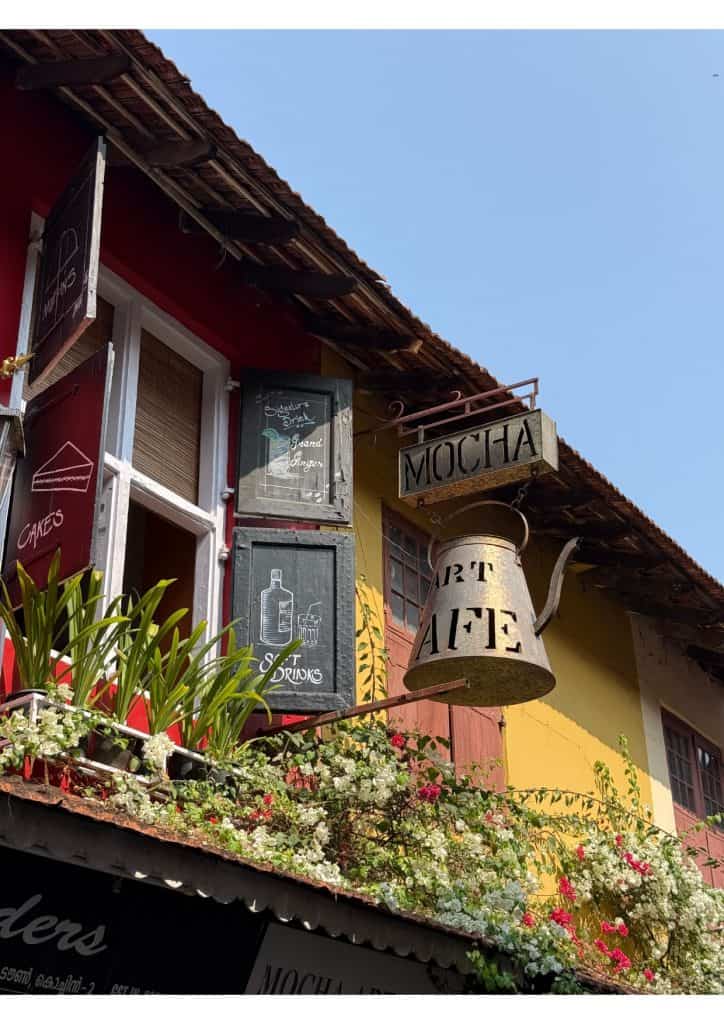
Shopping: Look for cashews, kokum products, spices, ceramics, azulejo-style tiles, local textiles, and handcrafted décor.
Experience: Take a long drive through Goa’s hinterland immediately after rain. Green paddy fields and village roads reveal an entirely different state.
September travel snapshot
- Goa remains warm and humid, usually around the mid-20s to low 30s Celsius. Rain can continue through September and sea conditions may remain rough.
- Best months: November to February for classic beach holidays; September for greenery, heritage and quieter travel.
- Festival season: Ganesh Chaturthi, locally known as Chovoth, is one of Goa’s major family celebrations and falls on September 14 in 2026.
Udaipur: The City of Lakes after the monsoon
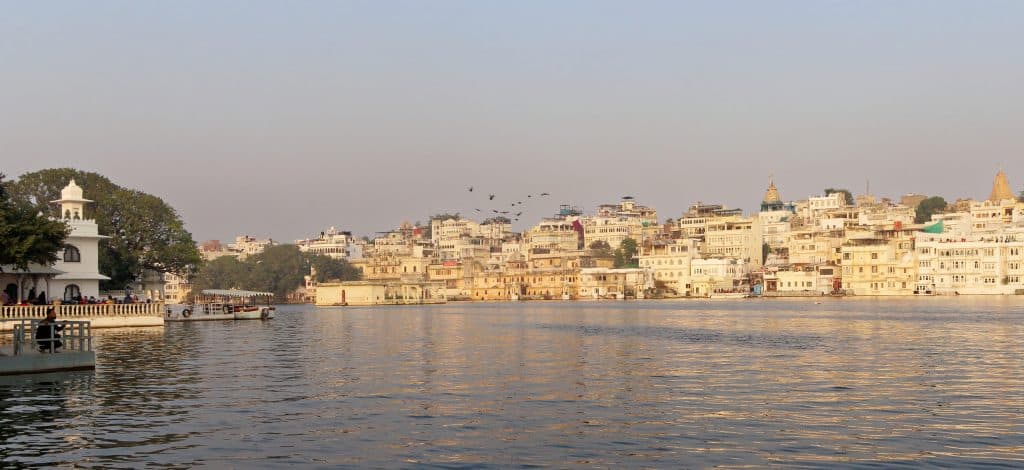
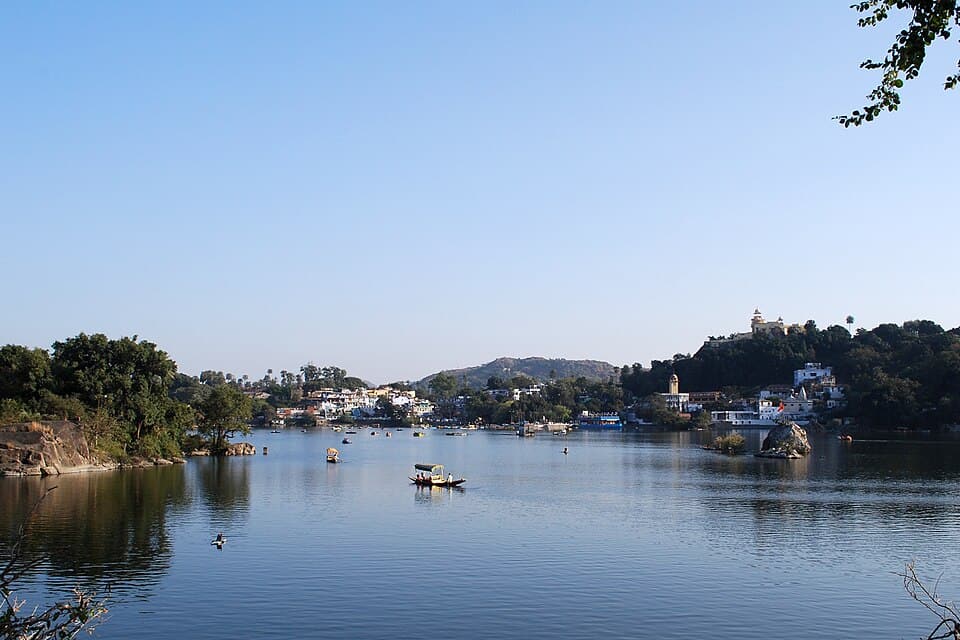
September gives Udaipur in Rajasthan an unexpectedly lush backdrop. The Aravalli hills turn greener, lakes regain their presence, and monsoon clouds soften the city’s famous marble palaces and ochre rooftops.
Top Attractions
- City Palace: Dominating the eastern shore of Lake Pichola, this vast palace complex deserves several hours for its courtyards, galleries, balconies, and views across the city.
- Lake Pichola: A boat ride, weather permitting, offers some of Udaipur’s most memorable views of City Palace, Jag Mandir, and the surrounding ghats.
- Jagdish Temple: This richly carved Vishnu temple near the City Palace is one of the old city’s most important religious landmarks.
- Bagore Ki Haveli: Set beside Gangaur Ghat, this historic haveli houses museum displays and is known for its evening folk performance featuring music, dance, and puppetry.
- Gangaur Ghat: One of the best places to watch daily life around Lake Pichola, particularly in the early morning and evening.
- Saheliyon-ki-Bari: This historic garden of fountains, pavilions, and lotus pools offers a quieter contrast to the old city.
- Fateh Sagar Lake: Popular for drives and evening walks, Fateh Sagar becomes especially appealing after the monsoon.
- Sajjangarh Monsoon Palace: Perched high above Udaipur, the palace offers dramatic views across the lakes and Aravalli hills, especially under September clouds.
- Eklingji Temple: Located outside the city, this important Shiva temple is closely associated with the rulers of Mewar.
- Shrinathji Temple, Nathdwara: One of Rajasthan’s most significant Krishna pilgrimage centres, Nathdwara makes an excellent spiritual excursion from Udaipur.
Popular Activities
- Boat rides: Lake Pichola and Fateh Sagar offer a completely different perspective on Udaipur.
- Old-city walks: Explore narrow lanes filled with temples, miniature-painting studios, cafés, and traditional homes.
- Folk performances: The evening show at Bagore Ki Haveli is one of the city’s most accessible introductions to Rajasthani performing arts.
- Palace and museum visits: Udaipur’s royal history is best understood through its palaces, galleries, and heritage collections.
- Day trips: Eklingji, Nathdwara, Kumbhalgarh and Ranakpur can all extend the journey for travellers with additional time.
Eat, shop and experience
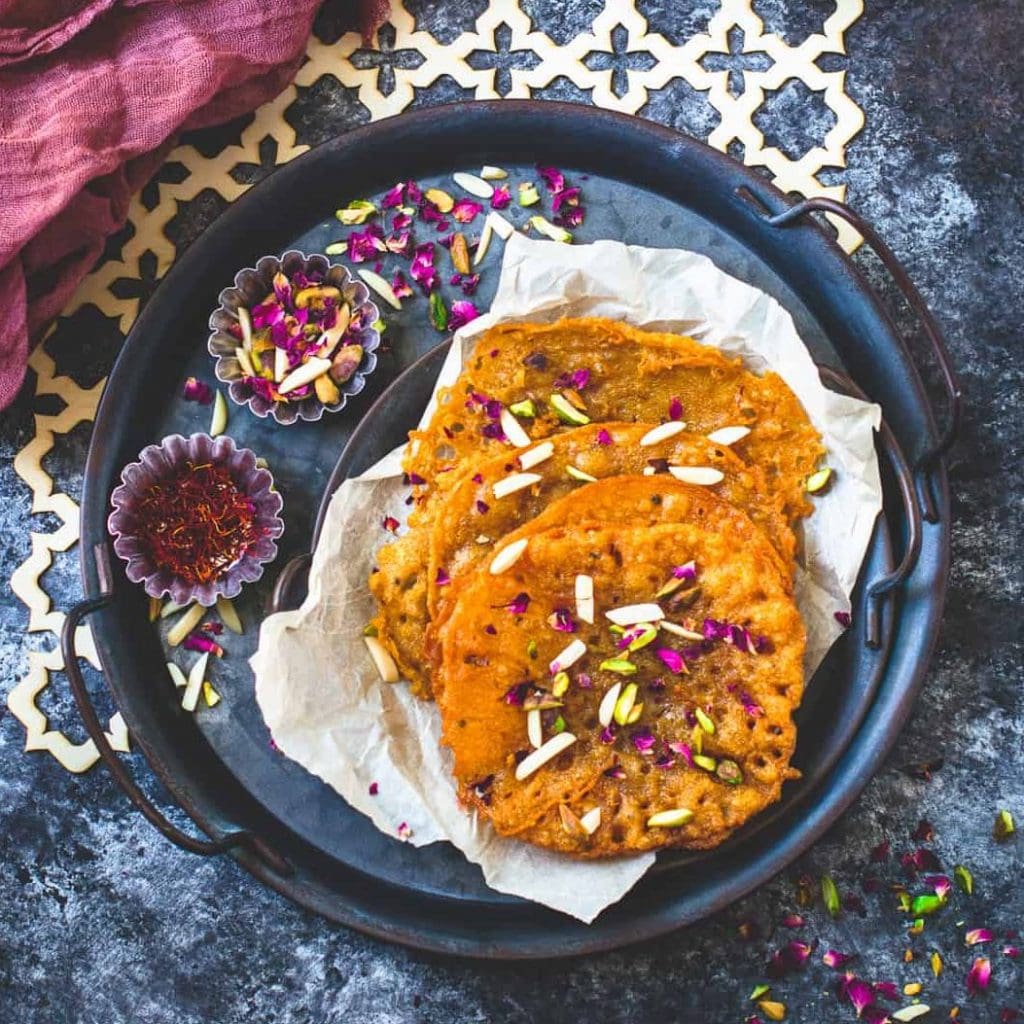
Food: Try dal baati churma, gatte ki sabzi, ker sangri, papad ki sabzi, kachori, mirchi vada, and traditional sweets.
Shopping: Hathi Pol and Bada Bazaar are good for miniature paintings, textiles, silver jewellery, leather footwear, and handcrafted décor.
Experience: Sit beside Lake Pichola at dusk after a rain shower. The reflections, clouds, and palace lights make September in Udaipur especially atmospheric.
September travel snapshot
- Temperatures generally range from the low 20s to low 30s Celsius. Humidity remains noticeable, with occasional monsoon showers.
- Best months: October to March for cooler weather; August and September for greener hills and fuller lakes.
- Festival season: September often overlaps with important Hindu observances, while Rajasthan’s broader festive calendar gathers momentum as autumn approaches.
Bundi: Rajasthan’s painted, rain-washed secret
Bundi in September feels intimate, slightly untamed, and refreshingly removed from Rajasthan’s busier tourist circuit. Monsoon rain brings colour to the hills and lakes, while the old city retains its faded blue houses, stepwells, and palace murals.
What to see
Top Attractions
- Taragarh Fort: Rising above Bundi, the fort has a rugged, partly weathered quality that sets it apart from Rajasthan’s more manicured royal complexes.
- Garh Palace: Spread across the hillside below Taragarh, this historic palace complex contains courtyards, gateways, and some of Bundi’s finest painted interiors.
- Chitrashala: The palace’s celebrated picture gallery contains exquisite Bundi-style murals depicting mythology, gardens, courtly scenes, and everyday life.
- Raniji ki Baori: One of Bundi’s grandest stepwells, this elaborately carved structure descends dramatically below street level.
- Dabhai Kund: Known for its striking geometric steps, Dabhai Kund is one of the town’s most visually distinctive water structures.
- Nagar Sagar Kund: These twin stepwells offer another glimpse into Bundi’s historic water-management architecture.
- Nawal Sagar Lake: This central lake reflects the palace and surrounding hills. A partially submerged Varuna temple adds a distinctive sacred element.
- Jait Sagar Lake: Framed by hills, Jait Sagar becomes particularly attractive after the monsoon.
- Sukh Mahal: Set beside Jait Sagar, this modest palace is associated with Bundi’s royal history and makes a peaceful lakeside stop.
- Keshoraipatan: A worthwhile excursion for the Keshav Rai Temple and its sacred setting beside the Chambal River.
Popular Activities
- Old-city walks: Wandering without a rigid plan is one of Bundi’s greatest pleasures, especially through blue-painted neighbourhoods and market lanes.
- Stepwell exploration: Bundi contains some of Rajasthan’s finest historic stepwells, each with a different scale and design.
- Miniature art discovery: Visit local painters and workshops to learn about the distinctive Bundi school of miniature painting.
- Fort and palace photography: September greenery creates an unusual contrast with Bundi’s weathered architecture.
- Lake walks: Nawal Sagar and Jait Sagar are particularly atmospheric in the early morning and evening.
Eat, shop and experience
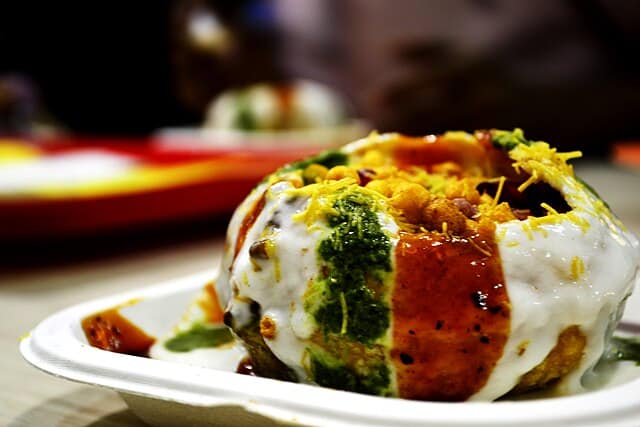
Food: Look for dal baati churma, gatte ki sabzi, ker sangri, kachori and traditional Rajasthani sweets.
Shopping: Bundi miniature paintings are the standout purchase, along with textiles, lac work, jewellery and small handcrafted objects.
Experience: Walk through the old town in the late afternoon with no fixed itinerary. Bundi’s charm lies in the unexpected doorway, painted wall, or hidden stepwell.
September travel snapshot
- September remains warm, often reaching above 30°C during the day, with humidity and intermittent showers.
- Best months: October to March for cooler sightseeing; September for green hills, replenished lakes, and quieter streets.
- Festival season: Bundi’s best-known cultural festivals generally fall later in the year, so September is primarily about heritage and monsoon scenery.
Hampi: An empire rediscovered in green
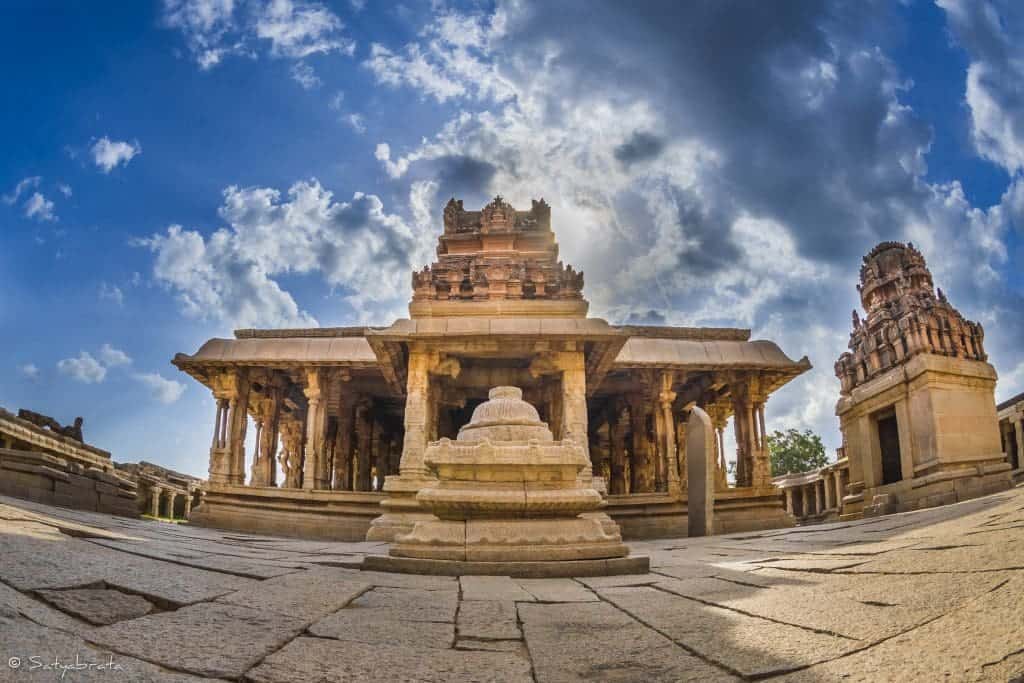
September softens Hampi, Karnataka’s famously rugged landscape. The boulders darken after rain, grass grows between temple ruins, and the Tungabhadra carries more water, creating a striking contrast with the monumental remains of the Vijayanagara Empire.
Top Attractions
- Virupaksha Temple: Hampi’s great living temple is dedicated to Shiva and remains an active centre of worship. Its towering gopuram dominates the historic bazaar area.
- Hampi Bazaar: Stretching before Virupaksha Temple, this historic street helps visitors picture the commercial life of the former imperial capital.
- Hemakuta Hill: Scattered with shrines and small temples, Hemakuta is one of Hampi’s finest sunrise and sunset locations.
- Vijaya Vittala Temple: The vast temple complex is famous for its extraordinary architecture, musical pillars and the iconic Stone Chariot.
- Lotus Mahal: This elegant pavilion in the Royal Centre is known for its distinctive blend of architectural influences.
- Elephant Stables: The long line of domed chambers is among Hampi’s most recognizable secular monuments.
- Queen’s Bath: This large royal bathing pavilion reveals another side of Vijayanagara court life.
- Mahanavami Dibba: This massive ceremonial platform was once used for royal celebrations and conveys the empire’s scale.
- Hazara Rama Temple: Particularly notable for its detailed stone reliefs depicting scenes associated with the Ramayana.
- Lakshmi Narasimha and Badavilinga: These monumental religious sculptures are among the most memorable stops in the wider Hampi complex.
- Sasivekalu and Kadalekalu Ganesha: These large Ganesha images demonstrate the scale and craftsmanship of Vijayanagara stonework.
- Anegundi and Anjanadri Hill: Across the Tungabhadra, Anegundi preserves older settlements and mythological associations, while Anjanadri is locally linked with Hanuman.
Popular Activities
- Temple exploration: Hampi rewards slow travel. Group monuments by area rather than attempting to cover everything in one day.
- Sunrise and sunset walks: Hemakuta and Matanga Hill are classic viewpoints, although wet rocks can become slippery.
- Cycling: Bicycles and scooters are popular ways to move between monuments where permitted and practical.
- Coracle rides: Traditional round boats operate on parts of the Tungabhadra when water and safety conditions permit.
- Photography: September’s mix of green vegetation, wet stone, and dramatic clouds gives Hampi a completely different visual character.
Eat, shop and experience
Food: Try jolada rotti, ennegayi, lentil dishes, chutneys, and North Karnataka vegetarian thalis. Hampi also has a relaxed café scene shaped by decades of international travellers.
Shopping: Look for Lambani embroidery, handmade jewellery, banana fibre products, and small regional crafts.
Experience: Watch sunrise from Hemakuta Hill before the monument complex fully wakes. The landscape of temples and boulders is unforgettable in the soft morning light.
September travel snapshot
- Hampi remains warm, generally in the mid-20s to low 30s Celsius, with humidity and occasional monsoon showers.
- Best months: November to February for cooler sightseeing; September for greener scenery and dramatic photography.
- Festival season: Hampi’s major annual cultural celebrations generally take place outside September, making this month better for atmosphere and lower visitor numbers.
Kashmir: Summer begins turning towards autumn
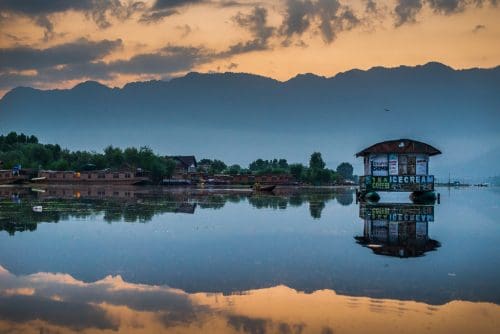
September in Kashmir carries the first suggestion of autumn. Days remain mild, nights become cooler, and orchards begin filling with apples while the valley slowly prepares for the famous golden and crimson colours of October.
What to see
Top Attractions
- Dal Lake: Begin early with a shikara ride before the lake becomes busy. Floating gardens, houseboats and the surrounding mountains create Srinagar’s defining view.
- Shalimar Bagh: One of Kashmir’s great Mughal gardens, Shalimar combines terraced lawns, water channels, chinar trees and mountain views.
- Nishat Bagh: Set beside Dal Lake, Nishat is another superb Mughal garden and particularly beautiful in the softer September light.
- Chashma Shahi: Smaller and more intimate than Shalimar or Nishat, this garden is built around a natural spring and offers lovely views across Srinagar.
- Pari Mahal: Set high above Dal Lake, these terraced gardens and historic ruins are among the city’s finest viewpoints.
- Shankaracharya Temple: Dedicated to Shiva, this hilltop shrine offers commanding views over Srinagar and Dal Lake.
- Hazratbal Shrine: One of Kashmir’s most revered Muslim religious sites, Hazratbal stands beside Dal Lake and is an important spiritual landmark.
- Jamia Masjid: Located in Srinagar’s old city, this historic mosque is known for its expansive courtyard and distinctive wooden architecture.
- Khanqah-e-Moula, also known as the Shah Hamdan shrine, is a richly decorated wooden structure and one of Srinagar’s most important historic religious sites.
- Pahalgam: Set beside the Lidder River, Pahalgam offers forest walks and access to Aru Valley and Betaab Valley.
- Gulmarg: Meadows, mountain views, and the famous gondola make Gulmarg one of Kashmir’s classic excursions.
- Sonamarg: Surrounded by high mountains and glacier-fed scenery, Sonamarg provides a more dramatic alpine landscape.
- Yusmarg: Quieter than Kashmir’s headline hill stations, Yusmarg offers broad meadows, forests and a slower pace.
Popular Activities
- Shikara rides: Early morning and sunset are the most atmospheric times to experience Dal Lake.
- Mughal garden walks: September’s comfortable temperatures suit long walks through Srinagar’s historic gardens.
- Orchard visits: Apple harvest season adds a distinctly local experience to countryside journeys.
- Mountain excursions: Pahalgam, Gulmarg, Sonamarg, and Yusmarg can all be explored as day trips or longer stays.
- Craft shopping: Srinagar’s old markets and workshops offer opportunities to meet artisans working in wood, papier-mâché, embroidery, and weaving.
Eat, shop and experience

Food: Explore rogan josh, yakhni, rista, gushtaba, haak, nadru, dum aloo, and Kashmiri breads, and make time for a cup of kahwa.
Shopping: Kashmir is famous for pashmina, hand-knotted carpets, walnut-wood carving, papier-mâché, embroidered textiles, saffron, and dry fruits.
Experience: Take a shikara ride at dawn, when Dal Lake is quiet and the first light begins to touch the surrounding mountains.
September travel snapshot
- Srinagar generally sees daytime temperatures in the low-to-mid 20s Celsius, with nights around 10–12°C. Higher areas such as Gulmarg and Sonamarg become considerably colder.
- Best months: April to June for spring and early summer; September and October for cooler weather and the transition into autumn.
- Festival season: September’s strongest seasonal highlight is the apple harvest, while religious festival dates vary from year to year.
Why September deserves a place on the Indian travel calendar
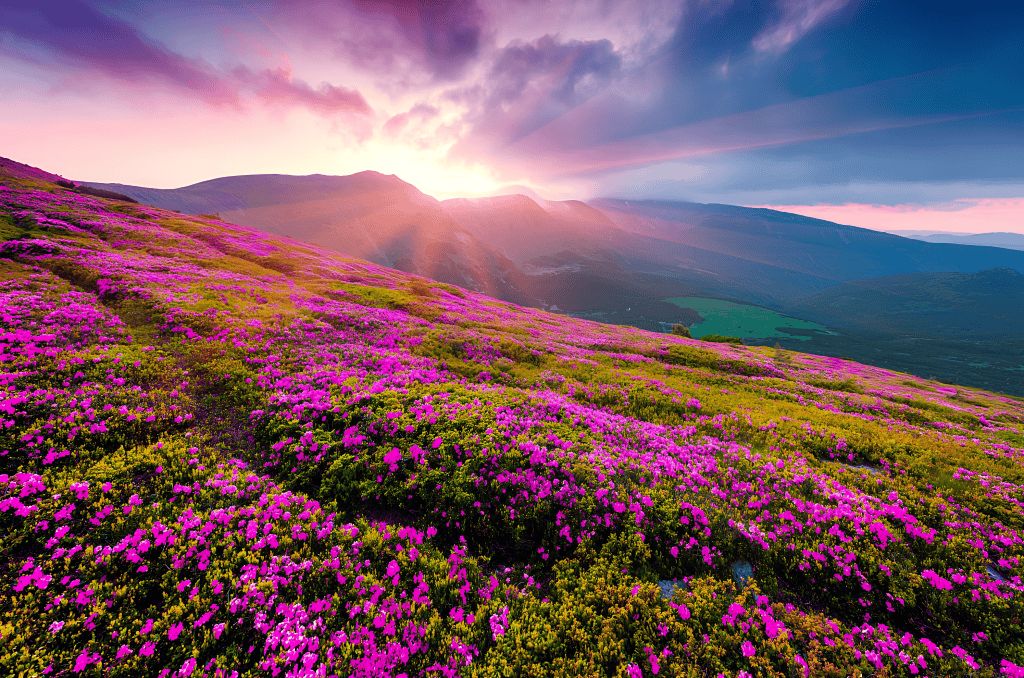
September’s advantage is not perfect weather. Its advantage is transformation. Ladakh and Spiti are approaching the final weeks of their easier high-altitude travel season. Ziro’s rice fields become the backdrop to one of India’s most distinctive music festivals. Coorg smells of coffee and rain. Goa trades peak-season beach energy for heritage, food and monsoon green. Udaipur and Bundi reveal a Rajasthan that many summer photographs never show, while Hampi’s ancient stones suddenly sit amid grass.
The Valley of Flowers is preparing to close its annual Himalayan performance, and Kashmir is beginning the slow handover between summer and autumn.
These best places to visit in September in India are therefore less about chasing flawless blue skies and more about catching places at the exact moment they begin to change.
Pack for two seasons. September will probably give you both.
FAQs
- Q: What are the best places to visit in September in India?
A: Ladakh, Spiti Valley, Ziro, Valley of Flowers, Coorg, Goa, Udaipur, Bundi, Hampi, and Kashmir are excellent September choices. - Q: Which destination has the best weather in September?
A: Kashmir and Ziro generally offer comfortable temperatures, while Ladakh and Spiti are cooler and significantly drier. - Q: Which places receive the least rain in September?
A: Ladakh and Spiti receive comparatively little monsoon rainfall because both lie largely in Himalayan rain-shadow regions. - Q: Which September destinations are at high altitude?
A: Leh is about 3,500 metres and Kaza about 3,650 metres, while several destinations in Ladakh and Spiti exceed 4,000 metres. - Q: Is September a good month for Ladakh?
A: Yes. September offers relatively dry conditions, thinner crowds and early-autumn scenery before temperatures fall sharply. - Q: Is September a good time to visit Spiti Valley?
A: Yes. September is one of the final favourable months for road travel before winter begins affecting accessibility. - Q: Is September good for the Valley of Flowers?
A: Yes, particularly early September, when some flowers remain in bloom and crowds are lower than during July and August. - Q: Which destination is best for Buddhist monasteries?
A: Ladakh and Spiti are the strongest options, with Thiksey, Hemis, Alchi, Diskit, Key, Tabo and Dhankar among the major monasteries. - Q: Which destination is best for temples and shrines?
A: Hampi, Udaipur, Coorg, and Kashmir offer particularly rich sacred circuits combining temples, shrines, and historic religious sites. - Q: Which major festivals can travellers experience in September?
A: The Ziro Festival of Music is a major late-September attraction, while Ganesh Chaturthi often gives Goa and western India a strong festive atmosphere. - Q: Is Goa worth visiting in September?
A: Yes, especially for lush landscapes, heritage, local food, and fewer peak-season crowds, although rain and rough sea conditions may continue. - Q: Is Coorg rainy in September?
A: Yes. Coorg can still receive substantial rain, which keeps its waterfalls, forests, and coffee plantations especially lush. - Q: What is the temperature in Kashmir in September?
A: Srinagar generally ranges from around 11°C at night to the mid-20s Celsius during the day, with colder conditions at higher elevations. - Q: What is the temperature in Udaipur in September?
A: Udaipur generally ranges from the low 20s to low 30s Celsius, with occasional showers and some humidity. - Q: What should travellers buy in Ladakh?
A: Pashmina, woollens, thangka paintings, Tibetan-style jewellery and locally produced apricot products are popular choices. - Q: What should travellers buy in Kashmir?
A: Pashmina, carpets, walnut-wood crafts, papier-mâché, saffron, dry fruits, and embroidered textiles are among the best-known purchases. - Q: What food to try in Coorg?
A: Pandi curry, kadambuttu, noolputtu, akki rotti, and bamboo-shoot preparations are among Coorg’s signature dishes. - Q: What food to try in Goa?
A: Goan fish curry, xacuti, cafreal, recheado dishes, sannas, poi and bebinca are essential local flavours. - Q: Which destinations are best for a September road trip?
A: Ladakh, Spiti, Udaipur-Bundi, Coorg, and Goa offer particularly rewarding September road-trip routes. - Q: What should I pack for a September trip in India?
A: Carry warm layers for Ladakh, Spiti and Kashmir; rainwear for Coorg, Goa and Uttarakhand; and breathable clothing for Rajasthan and Hampi.
Read More: Latest